
Swollen feet can turn everyday activities into a struggle. Whether the swelling comes from medical conditions, long hours on your feet, pregnancy, or simply the natural changes that come with age, the right footwear makes a noticeable difference. Extra wide fit shoes for swollen feet offer the space, support and comfort many people need to move more freely and reduce discomfort.
Choosing the correct pair is not just about size. It involves understanding fit, materials, and design features that accommodate fluid retention and sensitive skin. This guide explores practical options, what to look for, and how to find shoes that work with your feet rather than against them.
Understanding Swollen Feet and Footwear Needs
Swollen feet, or oedema, occur when fluid builds up in the tissues. Common triggers include prolonged standing or sitting, heat, certain medications, injuries, and conditions such as arthritis, diabetes, or circulatory issues. In many cases the feet become wider and sometimes longer, so standard-width shoes dig in, create pressure points, or simply refuse to go on.
Extra wide fit shoes address this by offering increased volume across the ball of the foot, the midfoot, and often the toe box. They reduce rubbing, allow better circulation, and make room for orthotics or thicker socks if needed. The goal is footwear that feels secure without constriction.
Many people discover that ordinary “wide” fittings still feel tight once swelling appears later in the day. True extra-wide or 4E–6E options, sometimes labelled XXXW or “extra extra wide,” provide the additional room required. Brands that specialise in therapeutic or comfort footwear often design lasts specifically for this purpose.
Key Features of Good Extra Wide Fit Shoes
When searching for extra wide fit shoes for swollen feet, several design elements matter more than brand names.
A deep, roomy toe box is essential. Toes should sit flat without being squeezed, reducing the risk of blisters or pressure sores. Soft, stretchable uppers—such as mesh, stretch fabric, or soft leather—adapt to daily changes in foot volume. Seamless or minimal-seam interiors prevent irritation on sensitive skin.
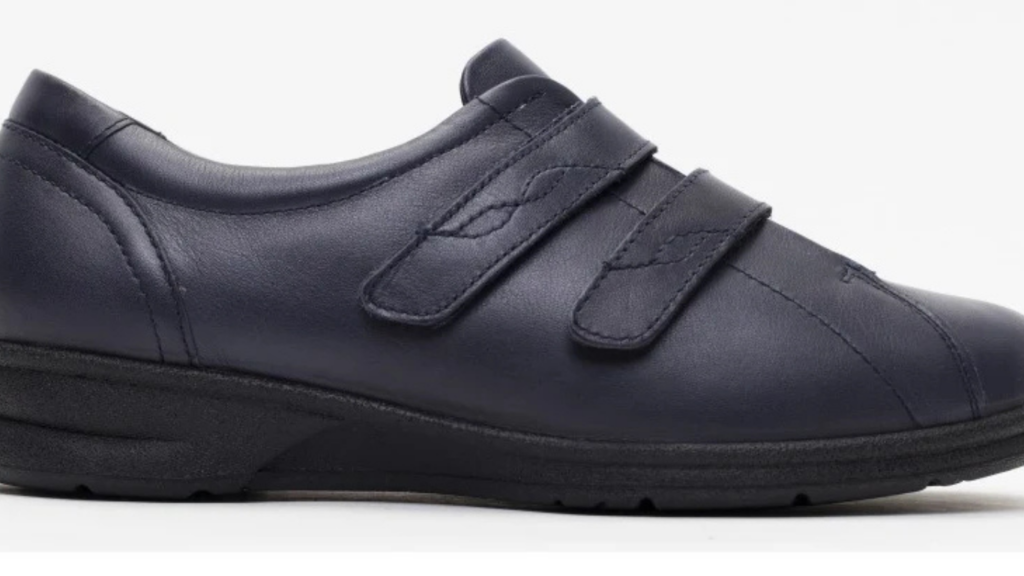
Adjustable closures make a significant difference. Lace-ups, hook-and-loop straps, or elasticised designs allow the wearer to loosen or tighten the shoe throughout the day. Removable insoles are another practical advantage; they create space for custom orthotics or simply provide a softer surface.
Supportive soles with good cushioning and a stable heel help maintain balance, which can be compromised when feet are swollen and less sensitive. A slight rocker sole or flexible forefoot can ease the effort of walking. Breathable materials also help manage moisture and temperature, both of which can worsen swelling.
Weight is worth considering. Lightweight constructions reduce fatigue, especially for those who already find walking tiring.
Choosing the Right Style for Different Needs
Not every extra-wide shoe suits every situation. Everyday walking shoes and trainers often prioritise cushioning and breathability. Many feature engineered mesh uppers and generous midsoles. Look for models described as “extra wide,” “4E,” or “extra roomy.”
For work or more formal settings, some brands produce extra-wide loafers, slip-ons, or lace-up shoes in leather or synthetic materials that still offer stretch and adjustability. Slip-resistant soles are useful for those who spend time on their feet in commercial environments.
Slippers and indoor shoes should not be overlooked. Soft, washable options with wide openings and non-slip soles provide relief at home. Some are designed with the same extra-wide lasts used for outdoor footwear, ensuring consistency.
Sandals can work in warmer weather provided they have adjustable straps and a supportive footbed. Avoid styles that rely solely on narrow straps across the top of the foot, as these can dig in when swelling increases.
People with diabetes or neuropathy need particular care. Shoes should be seamless inside, have plenty of depth, and ideally meet therapeutic footwear standards where available. Always check with a podiatrist or healthcare professional if you have underlying conditions that affect the feet.
Measuring and Fitting Tips
Accurate measurement is the starting point. Feet should be measured later in the day when they are at their largest. Stand while measuring, and check both length and width. Many specialist retailers offer free measuring services or detailed online size guides that include width options.
Try shoes on with the socks or hosiery you normally wear. Walk around for several minutes and pay attention to any pressure points. There should be roughly a thumb’s width of space beyond the longest toe, and the heel should feel secure without slipping.
Remember that sizes can vary between brands. An extra-wide 8 in one range may feel different from another. Reading recent customer reviews that specifically mention swollen feet or oedema can provide useful real-world feedback.
If feet swell significantly during the day, consider shoes that can be adjusted easily rather than relying solely on a fixed fit. Some people keep a slightly larger pair for later hours and a standard extra-wide pair for mornings.
Materials and Construction That Help
Breathable mesh and knit uppers allow air to circulate and stretch with the foot. Soft leathers that have been treated for flexibility also work well. Avoid stiff, unyielding materials that do not give.
Cushioned collars and tongues protect the ankle and instep. Padded interiors reduce friction. Outsoles made from lightweight EVA or rubber compounds offer shock absorption without adding bulk.
Some manufacturers incorporate moisture-wicking linings or antimicrobial treatments, which can be helpful for those prone to skin issues related to swelling.
Practical Advice for Daily Wear
Rotate pairs when possible so materials recover their shape. Keep shoes clean and dry; damp footwear can irritate already sensitive skin. If orthotics are prescribed, ensure the shoes have enough depth and a removable insole to accommodate them.
Elevation, gentle movement, and compression socks (when recommended by a clinician) complement good footwear. Shoes alone will not resolve the underlying cause of swelling, but the right pair can make managing the symptom far more comfortable.
When shopping online, check return policies carefully. Being able to try shoes at home and return them if the fit is imperfect is invaluable, particularly for wider fittings that can be harder to find in physical stores.
Where to Look and What to Expect
Specialist comfort and orthopaedic footwear retailers often carry the widest selection of extra wide fit shoes for swollen feet. High-street brands with dedicated wide and extra-wide lines have expanded their ranges in recent years. Pharmacies and medical supply shops may stock therapeutic options.
Prices vary. Basic comfortable pairs can be reasonably priced, while specialised therapeutic footwear tends to cost more because of the materials and construction involved. Investing in a well-made pair often proves more economical than repeatedly replacing poorly fitting shoes that cause discomfort or damage.
Customer service that understands wider fittings is useful. Staff who can advise on last shapes, depth, and adjustability save time and frustration.
Looking After Swollen Feet Alongside Footwear
Footwear is one part of a broader approach. Regular movement, avoiding prolonged immobility, watching salt intake if advised, and following medical guidance all play roles. Some people benefit from elevating the feet when sitting and using cool compresses when appropriate.
If swelling is sudden, severe, or accompanied by pain, redness, or shortness of breath, seek medical advice promptly. Persistent or one-sided swelling should also be checked.
Conclusion
Extra wide fit shoes for swollen feet are more than a convenience; they are a practical tool for maintaining mobility and reducing daily discomfort. By prioritising roomy toe boxes, adjustable closures, soft materials, and supportive soles, it is possible to find footwear that accommodates changing foot volume without sacrificing stability or style.
The best pair is the one that feels comfortable from the first wear and continues to support the feet as the day progresses. Taking time to measure properly, try different options, and consider individual needs pays off in easier movement and greater confidence.
Whether for walking, work, or simply moving around the house, the right extra-wide shoes can make a meaningful difference. Exploring the available ranges and focusing on fit rather than fashion alone helps many people regain a more comfortable relationship with their feet.






Leave a Reply