

Living room curtains do far more than simply cover a window. They shape the mood of a room, control light, add privacy and help define the overall character of the space. In British homes, where natural light can be scarce for much of the year and evenings stretch long, the right pair of living room curtains becomes one of the most practical and decorative decisions a homeowner can make.
Whether you live in a compact city flat or a larger family house, living room curtains influence how a room feels throughout the day. Heavy fabrics create warmth and intimacy in winter; lighter weaves keep spaces airy in summer. The choice of colour, length, heading style and lining all play a part in how successful the final result looks and performs. This guide explores the key considerations so you can select living room curtains that work hard and look good for years.
Understanding the Role of Living Room Curtains
Curtains in the living room serve several overlapping purposes. They provide privacy from the street or neighbouring properties, reduce heat loss through single or double glazing, soften harsh daylight and add texture and colour to the décor. In open-plan spaces they can also help define zones without the need for solid walls.
British homes often feature bay windows, French doors or unusually tall openings, all of which demand careful measuring and thoughtful fabric choices. Ready-made options have improved significantly in recent years, yet many people still opt for made-to-measure living room curtains when the window dimensions are non-standard or when a particular fabric is preferred.
Materials and Fabrics That Work Well
The fabric you choose affects both appearance and function. Natural fibres remain popular for their breathability and soft handle. Linen and linen blends give a relaxed, slightly crumpled look that suits contemporary and coastal schemes. Cotton is versatile, easy to clean and available in a wide range of weights and prints. Wool and wool-mix fabrics bring natural insulation and a sophisticated drape, ideal for colder months.
Synthetic and blended options have their place too. Polyester and polyester-mix curtains are often more affordable, resistant to fading and simpler to care for. Velvet, whether pure or blended, delivers rich colour and excellent light-blocking properties, making it a favourite for formal living rooms or media areas where darkness is required for viewing.
Thermal and blackout linings can be added to almost any fabric. These interlinings improve energy efficiency by reducing heat transfer and help living room curtains hang with a fuller, more luxurious shape. For south-facing rooms that receive strong sun, fade-resistant treatments or denser weaves are worth considering.
Styles and Heading Options
The heading determines how the fabric gathers and how the curtain sits on the track or pole. Pencil pleat remains one of the most widely used styles in UK homes because it works with both tracks and poles and creates a neat, gathered look. Eyelet (or ring-top) headings give a more contemporary, evenly spaced fold and are straightforward to hang on a pole. Pinch pleats, whether double or triple, create a tailored, formal appearance and are often chosen for traditional or period properties.
Wave headings, which form soft S-shaped folds, have grown in popularity for modern interiors. They require a special track but produce an elegant, continuous drape that looks particularly good on wide windows. Tab-top and tie-top styles suit more informal settings, though they tend to be less practical for frequent opening and closing.
Length is equally important. Floor-length living room curtains that just kiss the floor or form a slight break look polished. Puddling (allowing extra fabric to pool on the floor) can work in formal rooms but requires regular adjustment and is less practical in busy households. Sill-length or below-sill curtains may be preferable in kitchens that open onto living areas or where radiators sit directly beneath the window.
Colour, Pattern and Coordination
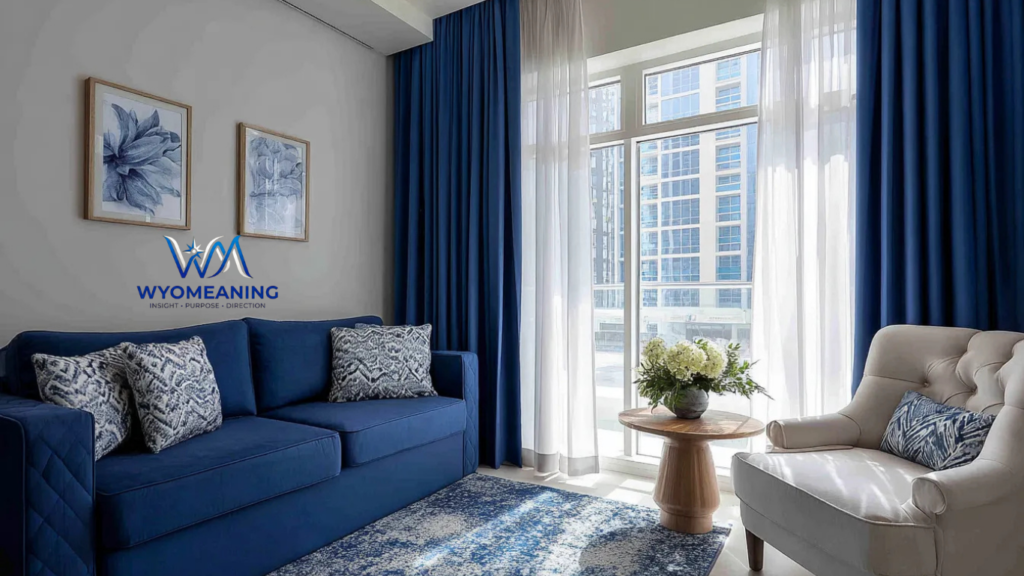
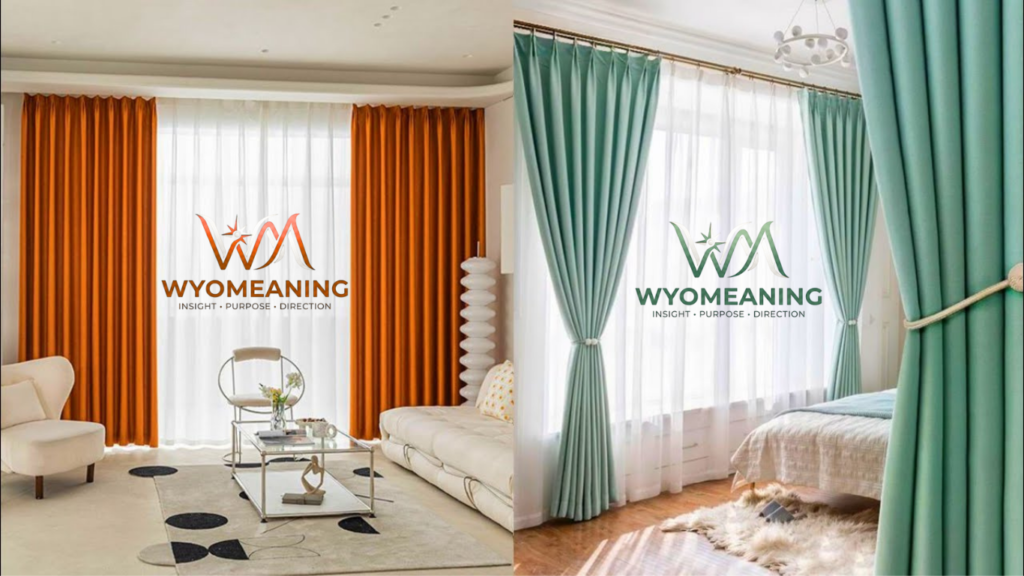
Neutral living room curtains in soft greys, warm beiges, creams and muted greens provide a calm backdrop that allows furniture and artwork to take centre stage. These tones also help smaller rooms feel more spacious. Deeper colours—navy, forest green, charcoal or burgundy—add drama and can make a large room feel more intimate.
Patterned fabrics introduce personality. Subtle geometrics, botanical prints or classic stripes work well when the rest of the scheme is relatively plain. Large-scale patterns suit bigger windows and higher ceilings; smaller repeats are safer in compact spaces. Matching or coordinating cushions and throws helps the living room curtains feel integrated rather than isolated.
Consider the existing colour palette of walls, flooring and larger pieces of furniture. Living room curtains that pick up a secondary colour already present in the room often create a cohesive result. Conversely, a deliberate contrast can become a strong focal point.
Practical Considerations for Everyday Use
Measuring accurately is essential. Width should usually be between one and a half and two and a half times the track or pole length, depending on the desired fullness. Height measurements need to account for the chosen hanging method and whether the curtains will sit above the window frame or from ceiling to floor.
Lining choices affect performance. Interlined curtains feel heavier and more substantial, while thermal linings contribute to lower heating bills. Blackout linings are useful if the living room doubles as a home cinema or if early-morning light is unwanted.
Maintenance matters. Some fabrics can be washed at home; others require professional cleaning. Removable curtain hooks and easy-glide tracks make regular vacuuming or brushing more straightforward. In households with pets or young children, darker colours or patterned fabrics tend to hide marks better than pale plains.
Current Trends in Living Room Curtains
Layering has become increasingly common. Sheer or voile curtains paired with heavier outer drapes allow flexible light control: the sheers can remain closed for daytime privacy while the outer curtains are drawn only when needed. This combination works particularly well in bay windows and on French doors.
Sustainability influences fabric choices. Organic cottons, recycled polyesters and linen from responsible sources appeal to environmentally conscious buyers. Neutral, timeless colours that will not date quickly also reduce the likelihood of frequent replacement.
Textured weaves—bouclé, herringbone and subtle embossing—add interest without relying on bold pattern. These surfaces catch the light attractively and complement the tactile quality of many contemporary sofas and armchairs.
Smart home integration is beginning to appear in higher-end installations. Motorised tracks operated by app or voice control offer convenience, especially for large or hard-to-reach windows, though they remain a specialist option for most households.
Quick Reference Guide
| Detail | Information |
|---|---|
| Primary Purpose | Light control, privacy, insulation, decoration |
| Popular Fabrics | Linen, cotton, velvet, polyester blends, wool |
| Common Headings | Pencil pleat, eyelet, pinch pleat, wave |
| Typical Length | Floor-length or sill-length |
| Lining Options | Standard, thermal, blackout, interlined |
| Key Measurement Factor | Fullness of 1.5–2.5 times track/pole width |
| Style Considerations | Room size, existing décor, window shape |
| Care Level | Varies by fabric; check cleaning instructions |
Making Living Room Curtains Work in Different Spaces
In smaller living rooms, lighter fabrics and simpler headings prevent the window treatment from overwhelming the space. Ceiling-mounted tracks can create the illusion of height. In larger or double-aspect rooms, heavier fabrics and fuller gathers help balance the proportions and improve acoustics.
Bay windows benefit from flexible tracks that follow the shape of the bay, allowing the living room curtains to sit neatly when open. French doors often need curtains that stack clear of the opening so the doors can be used freely; a wider track or pole helps achieve this.
Open-plan living areas may call for consistent window treatments across different zones to maintain visual flow, or deliberately varied styles to mark transitions between seating, dining and kitchen areas.
Longevity and Value
Well-chosen living room curtains can last a decade or more with proper care. Investing in good-quality fabric and accurate measuring usually proves more economical than repeated replacement of cheaper ready-made options that fade, shrink or hang poorly. Professional installation is worthwhile for complex windows or heavy fabrics, ensuring the curtains operate smoothly and look their best from day one.
The right living room curtains also contribute to energy efficiency. According to guidance from organisations focused on home energy use, lined curtains can reduce heat loss through windows noticeably when drawn in the evening, particularly in older properties with less efficient glazing.
Conclusion
Selecting living room curtains involves balancing practical needs with personal taste. Fabric weight, heading style, colour and length all interact to influence how a room looks and feels across the seasons. Taking time to measure carefully, consider lining options and coordinate with existing furnishings leads to a result that enhances both comfort and appearance.
Living room curtains remain one of the most effective ways to refresh a space without major renovation. Whether you prefer the soft drape of linen, the richness of velvet or the clean lines of a modern wave heading, the options available today make it possible to achieve a tailored look at a range of budgets.







Leave a Reply