
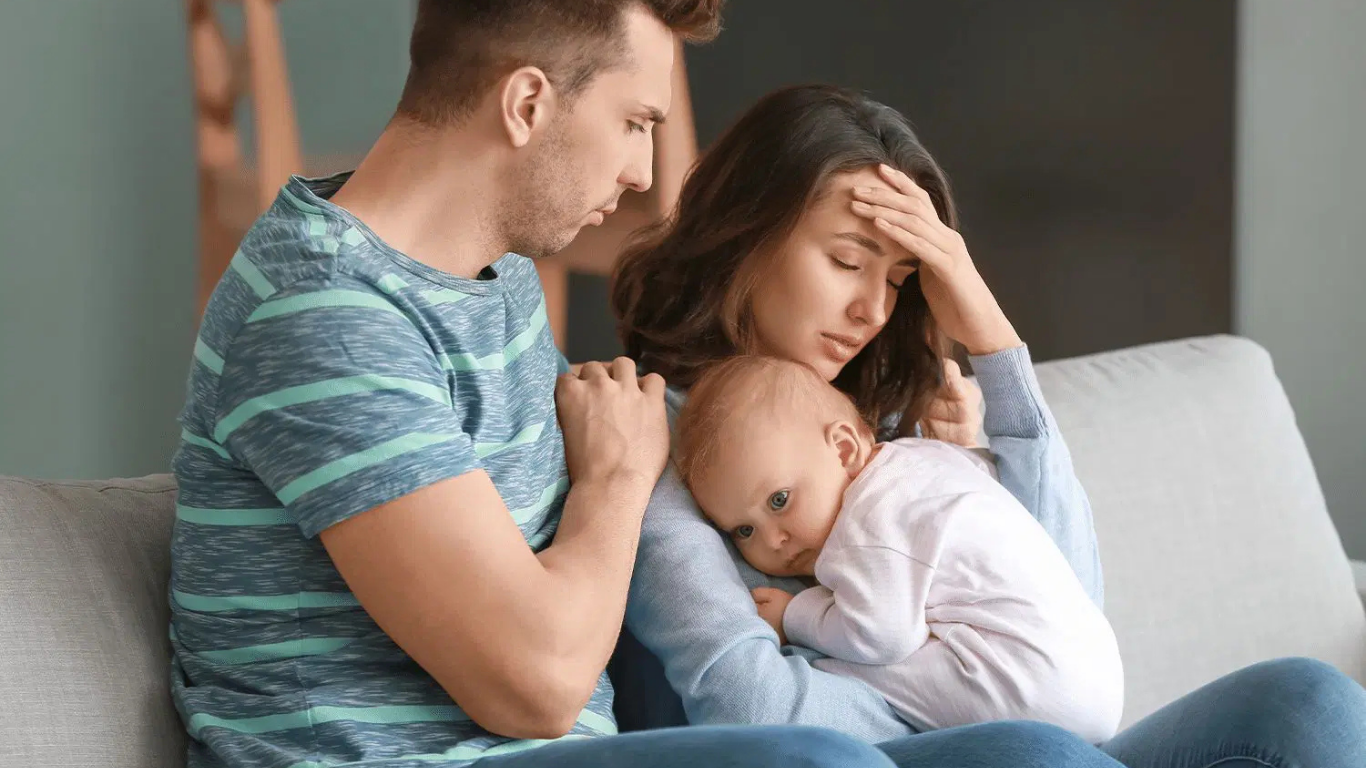
Babies cannot tell us in words when something feels wrong. They rely on cries, movements and changes in behaviour to communicate their needs. While everyday fussiness is normal, certain patterns can signal that a baby is experiencing stress. Understanding the signs of stress in babies helps parents respond calmly and effectively, supporting their child’s emotional and physical wellbeing from the earliest months.
Stress in infancy is not the same as adult stress. A baby’s nervous system is still developing, so even ordinary experiences—overstimulation, hunger, tiredness or separation—can feel overwhelming. Research and clinical guidance from sources such as the NHS and early years specialists show that babies also pick up on the emotional atmosphere around them. When caregivers are tense, infants may mirror that tension through their own behaviour. The good news is that most stress responses are temporary and improve once the underlying need is met or the environment becomes calmer.
This article explores the common signs of stress in babies, what may trigger them, and practical ways to help. It focuses on observable, evidence-based indicators rather than speculation, so parents can feel more confident in reading their baby’s cues.
What Causes Stress in Babies?
Babies encounter stress through a range of everyday situations. Physical discomfort is a frequent trigger: a wet nappy, trapped wind, temperature changes or the early stages of illness can all raise stress levels. Sensory overload is another common cause. Bright lights, loud noises, too many visitors or prolonged time in a busy environment can overwhelm a young infant’s developing senses.
Emotional and relational factors matter too. Separation from a familiar caregiver, even for short periods, can prompt distress, especially in the second half of the first year when attachment becomes more pronounced. Babies are highly attuned to the people closest to them. Studies have shown that infants can detect and even mirror physiological signs of stress in their parents, such as changes in heart rate, within minutes of close contact. Consistent, responsive care helps babies learn that stress is manageable; repeated or prolonged stress without comfort can make regulation harder later on.
Hunger, overtiredness and the normal peak in crying that occurs between roughly two and eight weeks of age also play a role. Colic—defined as excessive crying in an otherwise healthy baby—can intensify the sense of stress for both infant and parent, though the exact causes remain unclear.
Common Behavioural Signs of Stress in Babies
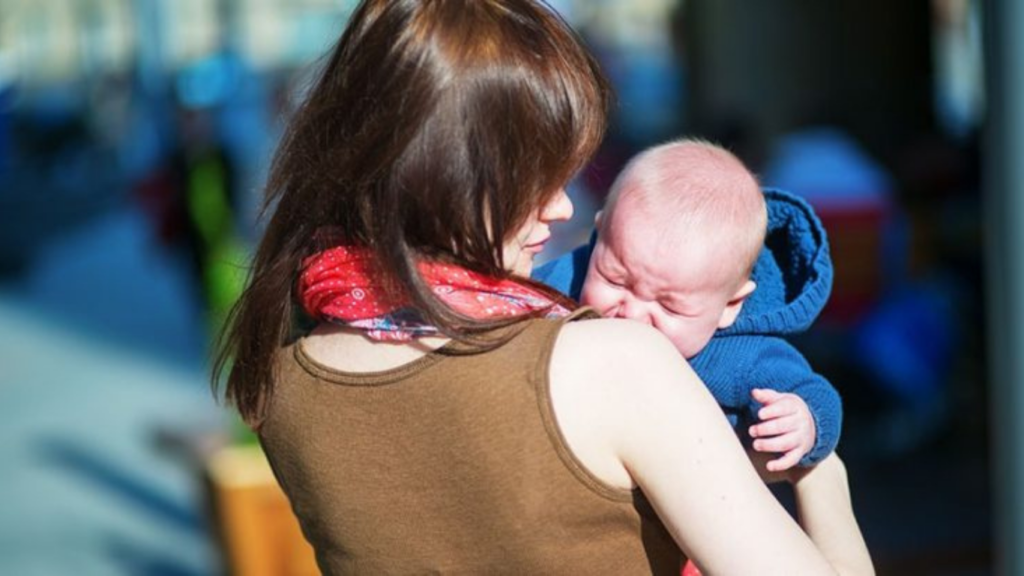
One of the clearest indicators is a change in crying. While all babies cry, stress-related crying often sounds more intense, higher-pitched or continuous. It may be difficult to soothe with the usual methods of feeding, changing or rocking. Some babies become unusually irritable or fussy for much of the day, while others swing between periods of frantic activity and sudden withdrawal.
Sleep patterns frequently shift. A stressed baby may struggle to settle, wake more often, or sleep for shorter stretches. Conversely, some infants respond by sleeping more than usual as a way of shutting down from overload. Feeding can also alter: a baby may refuse the breast or bottle, take shorter feeds with frequent breaks, or demand feeds more often for comfort.
Clinginess is another common response. The baby may protest strongly when put down, prefer constant holding, or become distressed when a familiar adult leaves the room. In older infants, temporary regression—such as increased neediness or loss of a recently gained skill—can appear when stress is present.
Subtle disengagement cues are equally important. Many babies show early signs of overload by looking away, yawning, sighing, hiccupping or sneezing. These quiet signals often precede louder crying and give parents a chance to reduce stimulation before distress escalates.
Physical and Body-Language Indicators
Stress frequently shows in a baby’s posture and movements. Arching the back, stiffening the limbs, clenching the fists or pulling the legs up towards the tummy are classic signs. Some infants splay their fingers (sometimes called “stop signs”) or extend their arms rigidly. Flailing, restless movements or sudden stillness can both indicate that the nervous system is under pressure.
Facial expressions offer further clues. A furrowed brow, tight mouth, grimacing or a dull, vacant expression may appear. Colour changes—flushing, becoming pale or mottled—can accompany rising stress, as can irregular or rapid breathing. In feeding situations, stress cues include pulling away from the nipple, milk leaking from the mouth, gagging or an irregular sucking rhythm.
These physical signs overlap with those of pain or illness, which is why context matters. A brief episode linked to a noisy room or missed nap is usually stress. Persistent changes accompanied by fever, poor feeding, unusual lethargy or breathing difficulty require prompt medical assessment.
Quick Reference Table: Common Signs of Stress in Babies
| Category | Possible Signs |
|---|---|
| Crying & Mood | Intense, hard-to-soothe crying; increased fussiness |
| Sleep | Difficulty settling; frequent waking; excess sleep |
| Feeding | Refusal, short feeds, or comfort feeding |
| Behaviour | Clinginess; looking away; withdrawal |
| Body Language | Back arching; fist clenching; finger splaying |
| Face & Colour | Grimacing; dull expression; flushing or pallor |
| Other | Yawning, hiccups, sneezing, irregular breathing |
How to Respond When You Notice Signs of Stress in Babies
The most effective response begins with checking basic needs: is the baby hungry, tired, too hot or cold, or in need of a nappy change? Once those are addressed, reduce sensory input. Dim the lights, lower the noise level and offer calm, predictable contact—gentle rocking, soft talking or skin-to-skin holding often help.
Many parents find the “5 S’s” useful: swaddling (for younger babies), side or stomach position while held, shushing sounds, swinging or rocking, and sucking (breast, bottle or dummy). Watching for early cues such as looking away or yawning allows intervention before full-blown distress develops. If the baby is already highly aroused, a brief period of quiet holding or a short break in a safe space can prevent escalation.
Parents’ own calmness is powerful. Babies sense tension, so taking a few slow breaths or stepping away for a moment (after ensuring the baby is safe) can reset the atmosphere for both. Consistent daily routines around sleep, feeds and play also build a sense of security that buffers against stress.
When to Seek Professional Help
Most signs of stress in babies resolve with responsive care. Contact a GP, health visitor or NHS 111 if the changes are sudden, severe or accompanied by other worrying features: a high or low temperature, reduced wet nappies, persistent vomiting, difficulty breathing, unusual drowsiness, a non-blanching rash, or a cry that sounds markedly different from normal. Trust parental instinct—knowing what is typical for your own baby is valuable.
For ongoing concerns about excessive crying or developmental progress, a health visitor or GP can offer tailored advice and rule out underlying medical issues such as reflux or allergy. Support is also available for parents feeling overwhelmed; looking after your own wellbeing directly benefits the baby.
Supporting Healthy Stress Responses Long Term
Responsive, warm care in the early months helps wire a baby’s stress-regulation systems in a positive direction. Simple daily practices—plenty of gentle touch, face-to-face interaction, predictable routines and protection from prolonged overstimulation—build resilience. As babies grow, the same principles of noticing cues and responding promptly continue to support emotional security.
conclusion
Recognising the signs of stress in babies is less about eliminating every moment of discomfort and more about reading the signals accurately and responding with care. With time, most parents become fluent in their baby’s unique language of needs. That attunement forms one of the strongest foundations for healthy development.








Leave a Reply