
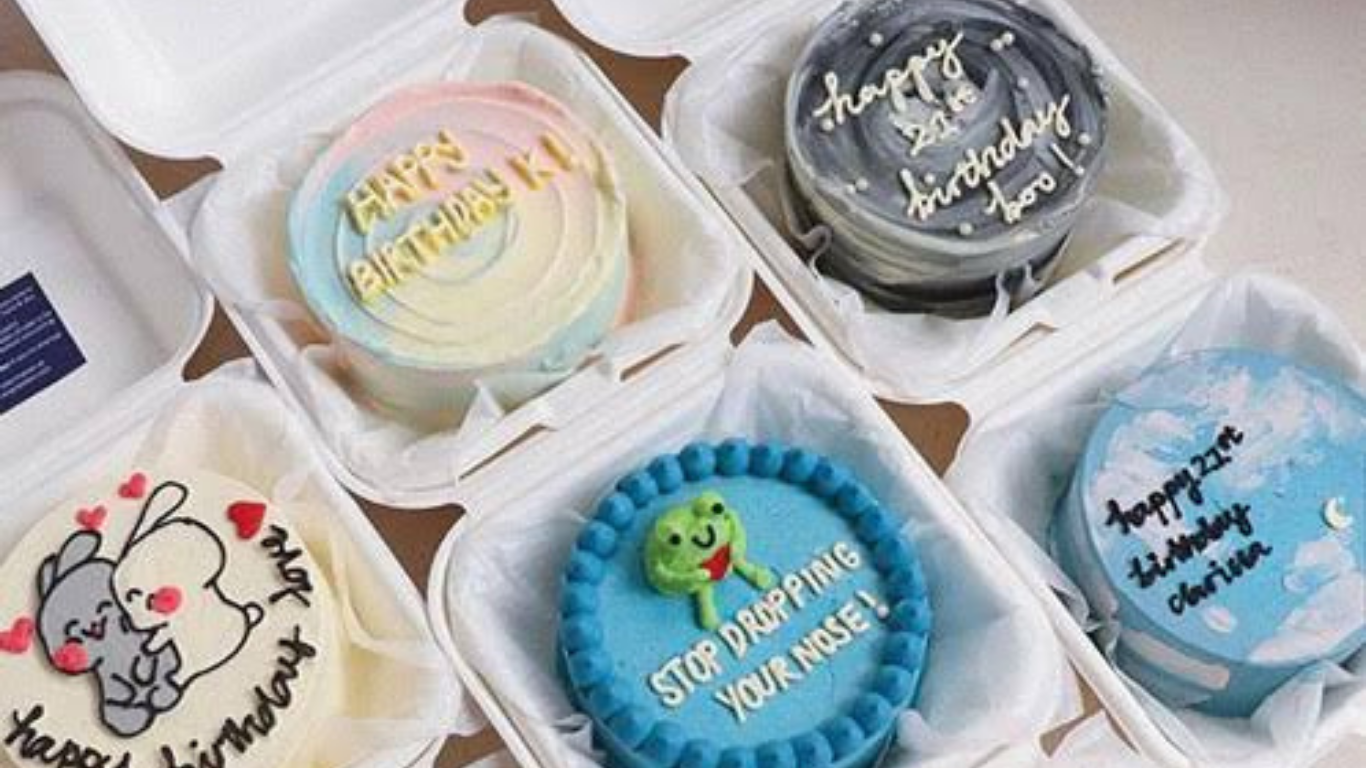
Bento cake boxes have quietly transformed how people celebrate the small moments. These compact, often transparent-lidded containers hold the tiny, intricately decorated cakes that rose from South Korean bakeries and spread worldwide. Far more than simple packaging, bento cake boxes protect delicate frosting, showcase the design, and turn a single-serve dessert into something ready to gift or enjoy on the go.
Interest in them continues because they solve a modern problem: how to mark birthdays, apologies, promotions or quiet evenings without ordering a full-sized cake. The boxes themselves have become part of the appeal, making the unboxing moment as memorable as the first bite.
Origins and Background
The story of bento cake boxes begins with the Japanese bento tradition. The word “bento” comes from a Chinese term meaning convenience and has been used in Japan for portable meals since at least the Kamakura period in the late 12th century. Early versions were simple dried rice carried in bags or leaves; later lacquered wooden boxes appeared for cherry-blossom viewing and travel. By the Edo period the idea of a carefully arranged, single-portion meal in an attractive container was firmly established.
South Korean bakers adapted the concept in the late 2010s. They created miniature layered cakes, usually 4 to 6 inches across, designed to fit snugly into takeaway-style boxes. These became known as bento cakes or lunchbox cakes. The packaging was never an afterthought. A square cardboard base with a clear lid, sometimes lined with parchment, kept the cake stable and visible. Early versions used basic foam or thin cardboard; as demand grew, specialist suppliers developed deeper, stronger food-grade boxes that could handle taller decorations and buttercream.
Rise in Popularity
The real breakthrough came during the Covid-19 pandemic. Large gatherings were restricted, so people turned to intimate, individual treats. A bento cake in its box could be delivered safely, opened at home and shared between one or two people. Social media amplified the trend. Photos of pastel-frosted minis with handwritten messages, nestled in neat boxes, spread rapidly on Instagram and elsewhere.
Bakeries and home bakers responded by refining the packaging. Standard sizes settled around 6 × 6 × 4 inches for a classic 4-inch cake, with slightly larger options for 5- or 6-inch cakes or combinations of cake plus cupcakes. Clear PET windows or full transparent lids became common so the design remained visible on shelves or in delivery photos. Inserts that hold a mini cake alongside several cupcakes appeared, turning a single box into a small dessert assortment.
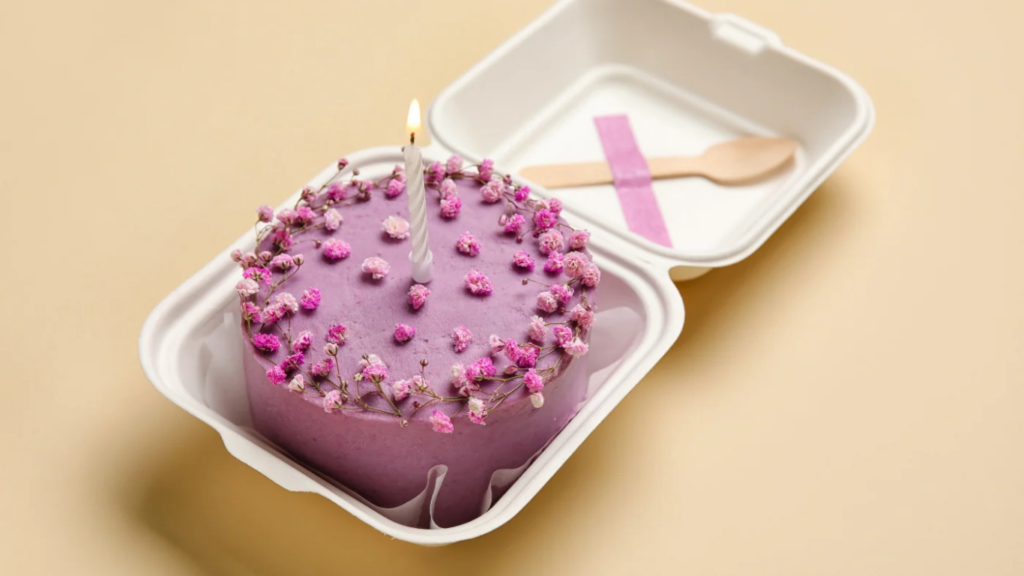
Suppliers began offering custom printing, soft-touch coatings, kraft paper for an eco look, and auto-lock bottoms for easy assembly. The boxes moved from functional necessity to branding opportunity. Many bakeries now treat the exterior as an extension of their aesthetic, printing logos or seasonal designs that customers keep or photograph.
Practical Challenges and Solutions
Not every container works for cake. Ordinary lunch boxes lack the depth for piped decorations and can trap condensation that softens sponge. Thin cardboard may crush under stacking. Grease from buttercream can stain untreated paper. Reliable sources note that food-grade materials meeting migration standards are essential; many commercial bento cake boxes use 18–24 pt SBS board or coated kraft with certified PET lids.
Bakers quickly learned best practice: chill the cake briefly so the frosting firms, place it on a small board or parchment circle, and choose a snug fit that limits movement without crushing the sides. These practical details have driven the market toward purpose-made packaging rather than improvised solutions.
Materials, Designs and Everyday Use
Today’s bento cake boxes come in a range of styles. White or kraft cardboard remains the most popular for its clean look and printability. Some feature padded interiors for premium deliveries; others are two-tier designs that separate cake from accompanying treats. Clear lids dominate because visibility sells. Eco-conscious options use recycled board or biodegradable coatings, reflecting growing demand for sustainable packaging.
Sizes vary by region and purpose. A compact 15 × 15 cm box suits a 10 cm cake; deeper 10 × 10 × 5 inch sets accommodate a mini cake plus five cupcakes. Many ship flat for economical storage and assemble in seconds with tuck ends or pop-lock bases. Custom runs as low as 50 units allow small bakeries to brand their packaging without large minimum orders.
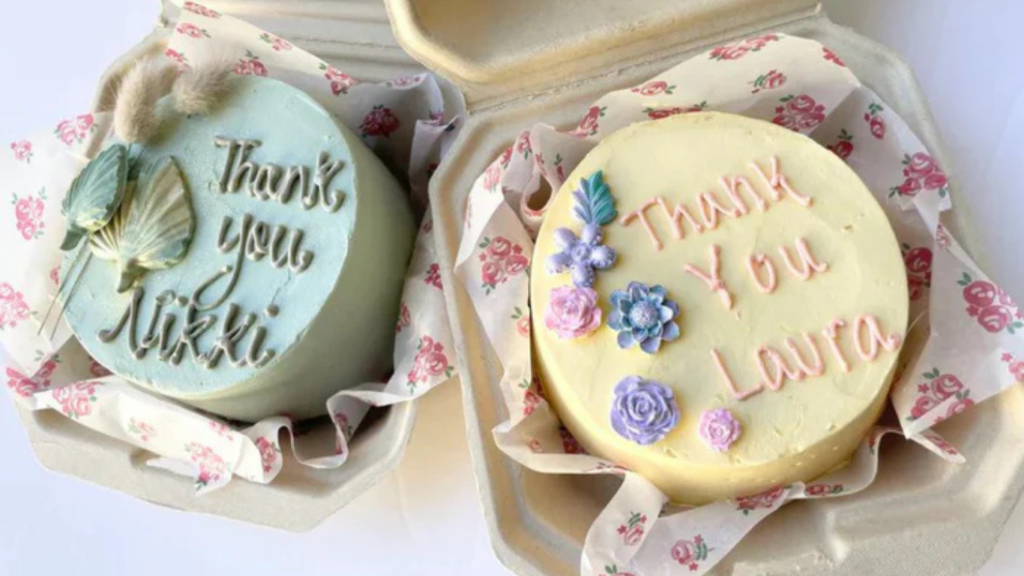
Home bakers and professionals use them for the same reasons: safe transport, attractive presentation and portion control. A message written on the cake or a small card slipped inside turns the box into a ready-made gift for birthdays, “just because” moments or workplace treats.
Quick Facts
| Detail | Information |
|---|---|
| Typical Cake Size | 4–6 inches (10–15 cm) diameter |
| Common Box Dimensions | 6×6×4 in to 10×10×5 in |
| Primary Materials | Food-grade cardboard (SBS/kraft), PET lids |
| Origin of Concept | South Korean bakeries, inspired by Japanese bento |
| Peak Popularity Driver | Covid-19 period and social media |
| Key Features | Clear visibility, snug fit, easy assembly |
| Common Add-ons | Cupcake inserts, custom printing, windows |
| Primary Uses | Gifting, takeaway, small celebrations |
Lasting Appeal and Influence
Bento cake boxes have changed expectations around dessert packaging. They prove that thoughtful design can elevate an everyday product into something shareable and memorable. Bakeries that once relied on plain white boxes now invest in packaging that photographs well and protects the product. The format has also encouraged creativity in cake design itself: messages, minimalist colour schemes and playful toppers thrive inside the confined, visible space of a bento box.
The trend continues to adapt. Eco materials, reusable options and multi-compartment designs keep appearing as suppliers respond to bakers’ feedback. What began as a practical solution for single-serve cakes has become a recognised category in bakery packaging, valued for both function and the small moment of delight when the lid lifts.
conclusion
Bento cake boxes remain popular because they match the way many people want to celebrate now: personally, conveniently and with a touch of visual pleasure. They turn a simple cake into a complete experience that travels well and looks considered from the moment it is handed over.

Leave a Reply