
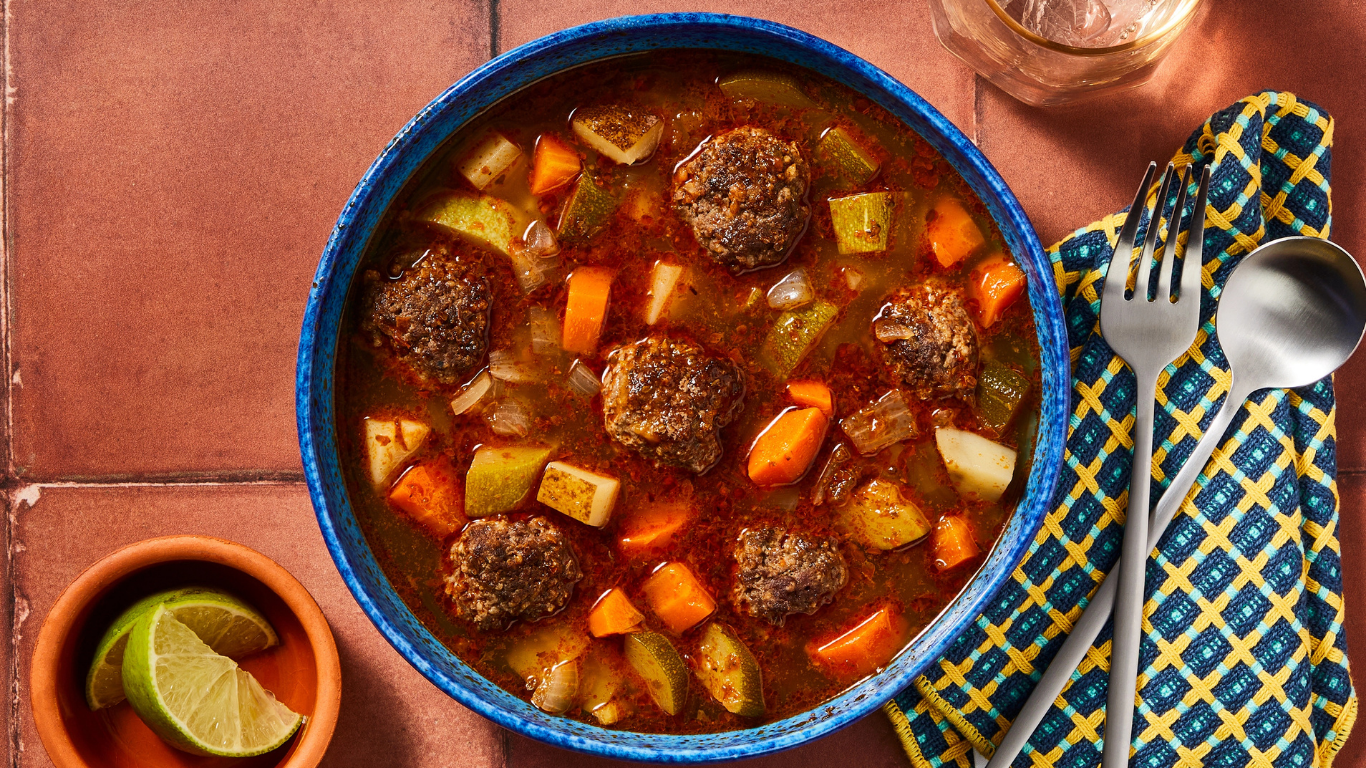
Few dishes capture the warmth of home cooking quite like a steaming bowl of albondigas. This traditional Mexican meatball soup, with its tender spiced balls floating in a fragrant tomato-based broth packed with vegetables, has comforted generations across Latin America and beyond. Whether you are seeking a reliable weeknight meal or a dish that connects you to culinary history, the albondigas recipe remains a favourite for good reason.
Readers keep returning to albondigas because it is both humble and satisfying. The combination of soft meatballs, often mixed with rice, and a light yet flavourful broth makes it ideal for cooler evenings or when something nourishing is needed. Its roots stretch further than many realise, linking Middle Eastern techniques with Spanish and Mexican kitchens, which only adds to its lasting appeal.
Early Origins and Background
Albóndigas, the Spanish word for meatballs, takes its name from the Arabic “al-bunduq”, meaning hazelnut. This refers to the small, round shape of the original versions. The dish began in the Middle East, where cooks formed finely ground meat into compact balls. During the period of Muslim rule in Spain, beginning in the eighth century, these techniques travelled to the Iberian Peninsula with the Umayyads and Berber influences.
Spanish cooks adapted the idea, often serving the meatballs in a rich tomato or paprika sauce as tapas. When Spanish conquistadors reached Mexico in the sixteenth century, they brought the concept with them. In Mexican kitchens the preparation evolved into the soup form most people recognise today. Rather than a dry sauce, the meatballs simmer in a clear or lightly tomato-tinted broth with carrots, potatoes, courgettes and herbs. The result is lighter yet still deeply comforting.
Public records and culinary historians note that regional variations appeared quickly. In some areas of Mexico, mint or coriander seasons the meatballs; elsewhere rice is mixed into the mixture to keep them tender. What began as a practical way to stretch meat and use leftover vegetables became a staple of family tables.
Rise to Popularity and Regional Variations
Albóndigas gained wider recognition as Mexican cuisine spread internationally through migration, cookbooks and restaurants. By the twentieth century, versions appeared in American households, particularly in the southwest, where the soup offered an accessible introduction to Mexican flavours without excessive heat.
Key milestones include its appearance in classic cookbooks such as those by Diana Kennedy, who documented regional Mexican recipes in the 1970s. Home cooks valued the dish for its flexibility: beef is traditional, though pork or a mixture works well. The inclusion of uncooked rice inside the meatballs is a practical touch that helps them hold their shape while adding subtle texture.
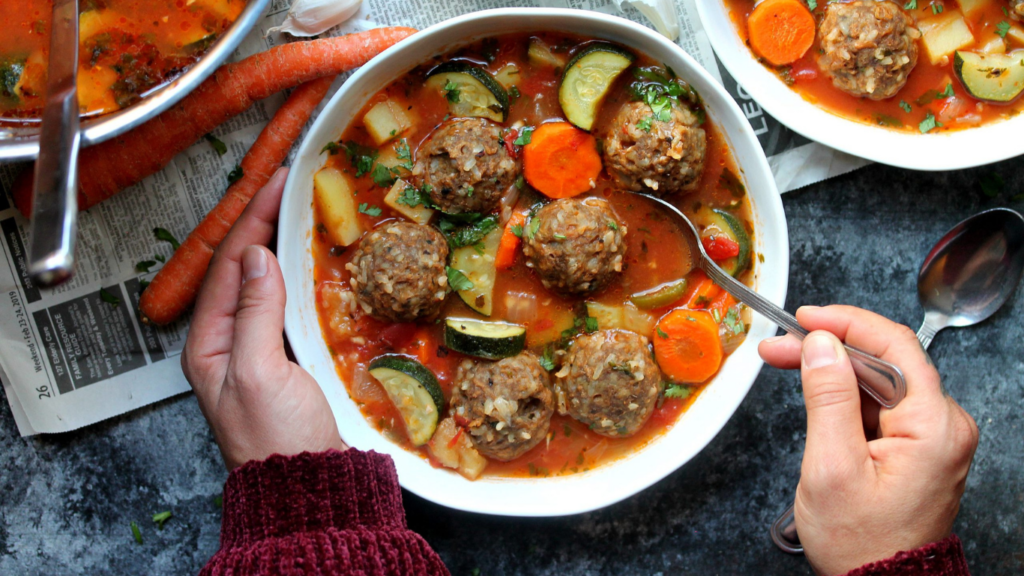
Public reputation centres on comfort and economy. A single pot feeds a family, uses everyday ingredients, and improves with a night in the fridge. Collaborations between traditional Mexican cooks and contemporary chefs have produced lighter broths or vegetarian adaptations using lentils or mushrooms, yet the classic remains firmly rooted in its Spanish-Mexican heritage. Awards are rare for such an everyday dish, but its consistent presence on menus and in home kitchens speaks to enduring popularity.
Challenges, Adaptations and Turning Points
Like many traditional recipes, albóndigas has faced the challenge of modern shortcuts. Pre-made frozen meatballs or overly thickened broths sometimes appear, diluting the original character. Authentic versions rely on gentle simmering so the meatballs stay soft and the vegetables retain their shape.
Major life events for the dish include its adaptation during times of scarcity, when cooks stretched small amounts of meat with rice or breadcrumbs. Resilience shows in the way families pass down personal tweaks—some add a squeeze of lime at the table, others prefer a clearer broth without tomato. Personal growth for the recipe comes through thoughtful updates: using leaner mince for lighter results or incorporating more vegetables for nutrition, while still honouring the core technique of forming and poaching the balls carefully.
Personal Touches and Family Life
Publicly shared versions of the albondigas recipe often carry family stories. Many cooks recall learning the method from a grandmother who mixed the meat by hand and judged the seasoning by smell. Relationships with the dish are practical rather than glamorous: it appears at Sunday lunches, during recovery from illness, or as a make-ahead meal for busy weeks.
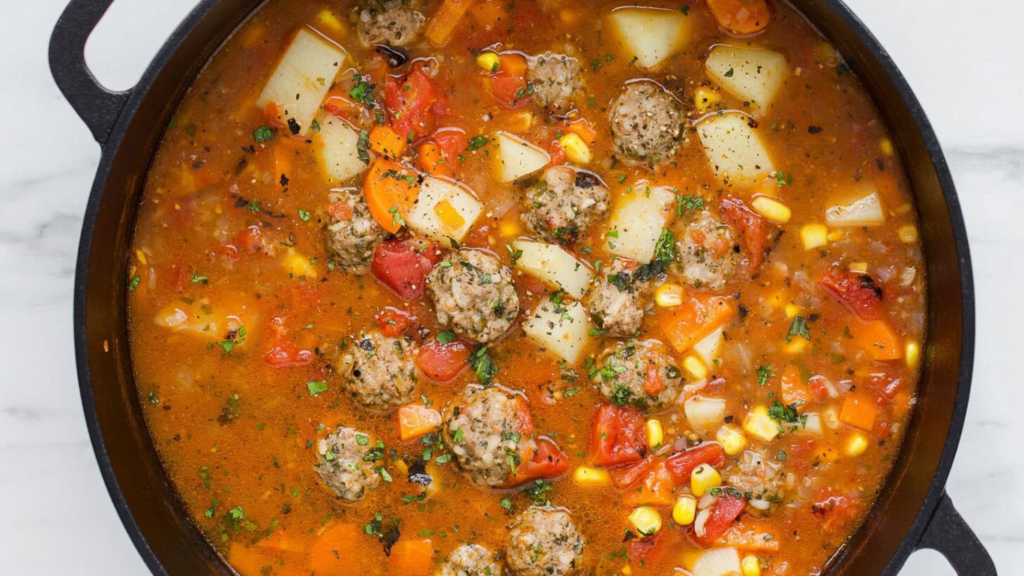
Confirmed details focus on technique rather than celebrity anecdotes. The meatballs typically contain ground beef, egg, garlic, cumin, coriander or mint, salt, pepper and a little uncooked rice. The broth starts with onion, garlic, tomatoes or tomato sauce, stock, and a selection of diced root vegetables. No reliable public sources support claims of a single “original” family recipe; instead, variation itself is the tradition.
Later Developments and Current Practice
Today the albondigas recipe continues to appear in home kitchens, food blogs and restaurant menus. Recent interest in slow-cooked and one-pot meals has renewed its visibility. Public appearances include feature recipes in magazines and online collections that emphasise its Middle Eastern-to-Mexican journey.
Charity cookbooks and community events sometimes highlight the soup as an accessible dish for shared meals. Business ventures are limited to specialty spice blends or ready-to-cook kits, yet most people still prepare it from scratch. Advocacy for traditional cooking methods keeps the focus on fresh ingredients and patient simmering rather than processed alternatives.
Quick Bio
| Detail | Information |
|---|---|
| Full Name | Albóndigas (Mexican Meatball Soup) |
| Date of Birth | Roots in 8th-century Iberian Peninsula via Middle Eastern techniques |
| Place of Birth | Middle East, refined in Spain, established in Mexico |
| Nationality | Mexican (with Spanish and Arabic influences) |
| Profession | Comfort food / traditional soup |
| Years Active | Approximately 1,200 years and continuing |
| Known For | Tender meatballs in vegetable broth |
| Estimated Net Worth | Priceless family favourite |
Legacy and Lasting Impact
Albóndigas remains important because it demonstrates how food travels and adapts without losing its essence. Its influence lies in showing that simple ingredients, treated with care, can create something greater than the sum of their parts. Public perception views it as honest cooking: no elaborate presentation required, just good flavour and nourishment.
Lessons from its history include the value of cultural exchange and the practicality of stretching resources. The dish teaches patience—forming the meatballs gently and allowing the broth to develop—and the pleasure of sharing a pot that improves with time.
Conclusion
From its Arabic name and Spanish adoption to its firm place in Mexican home cooking, the albondigas recipe offers more than a meal. It carries centuries of movement, adaptation and everyday care. Preparing a pot today connects the cook to that long line of kitchens while delivering a bowl that feels both familiar and special.
Whether you follow a classic version with rice-filled meatballs or adjust the vegetables to what is in season, the result is reliably satisfying. The next time a chilly evening or the need for comfort arises, this soup stands ready.



Leave a Reply