
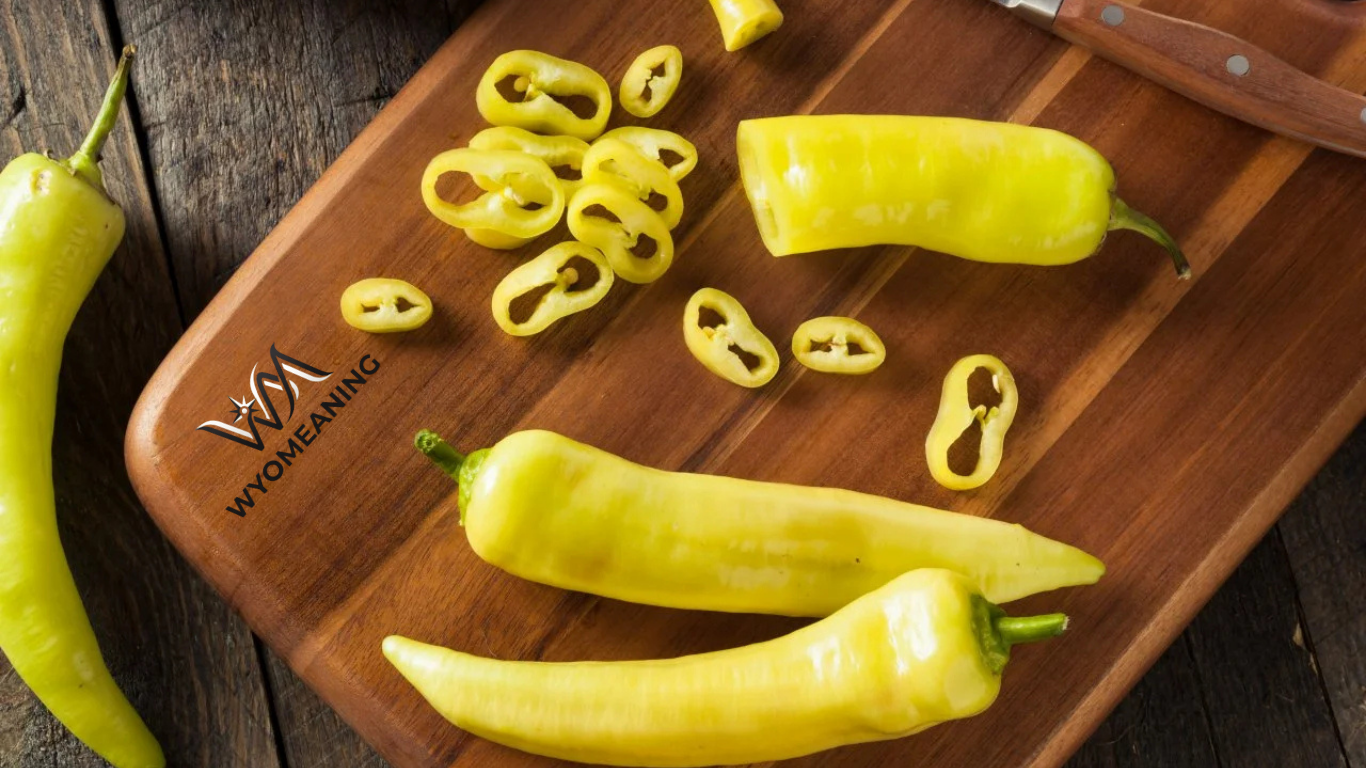
Pepperoncini have a quiet way of making themselves essential. Those small, wrinkled, yellow-green peppers nestled in jars of brine turn up on antipasti boards, Greek salads, Italian sandwiches and pizza boxes with such regularity that many people barely notice them until they are gone. Mild yet tangy, slightly sweet and carrying just enough warmth to register on the tongue, pepperoncini deliver flavour without demanding attention. In an age of extreme heat and complex spice blends, their gentle presence continues to earn loyalty across Mediterranean kitchens and far beyond.
Readers remain interested in pepperoncini because they represent an accessible entry point into chilli culture. They ask almost nothing of the cook yet reward with brightness and crunch. Whether sliced over a sub, tucked into a salad or eaten straight from the jar, they offer a reliable lift that feels both familiar and distinctive. Their story stretches from Mediterranean fields to supermarket shelves, revealing how a modest pepper became a global condiment staple.
Early Life and Background
Pepperoncini belong to the species Capsicum annuum, the same broad family that includes bell peppers and many hotter chillies. In Italy the fresh mild variety is known as friggitello (plural friggitelli), while in Greece similar cultivars are often called golden Greek peppers. The American term “pepperoncini” generally refers to the pickled form of these mild peppers, distinct from the hotter peperoncini used in southern Italian cooking.
Their botanical home lies in the Mediterranean, particularly Tuscany in Italy and parts of Greece. Plants grow as bushy annuals reaching roughly a metre in height. The fruits are harvested young, typically 5–7.5 cm long, while still green or yellowish-green. Left on the plant they will eventually turn red, but the preferred stage for both fresh and pickling use is the immature phase. Skin is thin and slightly wrinkled; flesh is mild with a hint of bitterness when fresh.
Historically, chilli peppers reached southern Europe after the Columbian exchange. Spanish influence in the fifteenth and sixteenth centuries introduced New World plants, including tomatoes and chillies, to Italy. Early European accounts treated many of these newcomers with caution, sometimes regarding them as decorative or potentially harmful before they entered everyday cooking. By the late sixteenth century Italian writers noted the heat of certain varieties. Milder types suitable for pickling and everyday use developed regionally over subsequent centuries. In Tuscany friggitelli became associated with simple, flavourful preparations, while Greek cultivation emphasised the sweeter profile that travels well in brine.
Education in the culinary sense came through local practice rather than formal institutions. Families grew the peppers in kitchen gardens, harvested them at the right size, and preserved them in vinegar to extend the season. Early commercial interest followed the same logic: a mild, versatile pepper that could be packed and shipped without losing its character.
Career and Rise to Fame
Pepperoncini entered wider professional kitchens as a reliable pantry item rather than a star ingredient. Fresh friggitelli are excellent sautéed, stuffed or roasted. Once pickled, the peppers develop the signature tangy-briny profile that defines their commercial identity in many countries. The pickling process softens any residual bitterness and adds acidity that cuts through rich meats, cheeses and oils.
Their breakthrough arrived with the popularisation of Mediterranean-style eating outside Europe. Greek salads, Italian antipasti platters and American-Italian submarine sandwiches all found room for the little green peppers. Pizza delivery chains discovered that including a single pepperoncini with each order created a small moment of delight and a point of difference. Sandwich shops and salad bars followed suit. The peppers require no preparation beyond draining and, if desired, slicing. They deliver colour, crunch and flavour in one gesture.
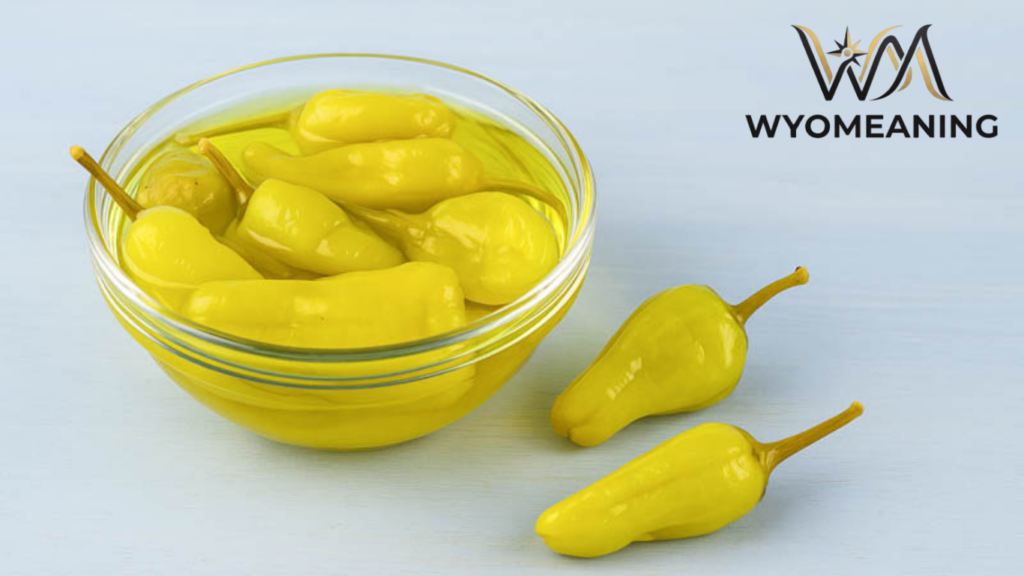
Major milestones include their firm place on commercial antipasto trays and their quiet ubiquity in supermarket condiment aisles. Recognition has been practical rather than ceremonial: food writers and test kitchens repeatedly single them out as the ingredient that cannot be omitted from certain classic dishes. Collaborations with the broader food industry appear in product lines—mild and hot versions, whole and sliced, sometimes infused with additional herbs or garlic. Public reputation rests on approachability. Pepperoncini sit at the mild end of the Scoville scale, usually 100–500 units, far below a typical jalapeño. They introduce gentle heat without intimidation, making them suitable for mixed company and everyday meals.
Personal Challenges or Turning Points
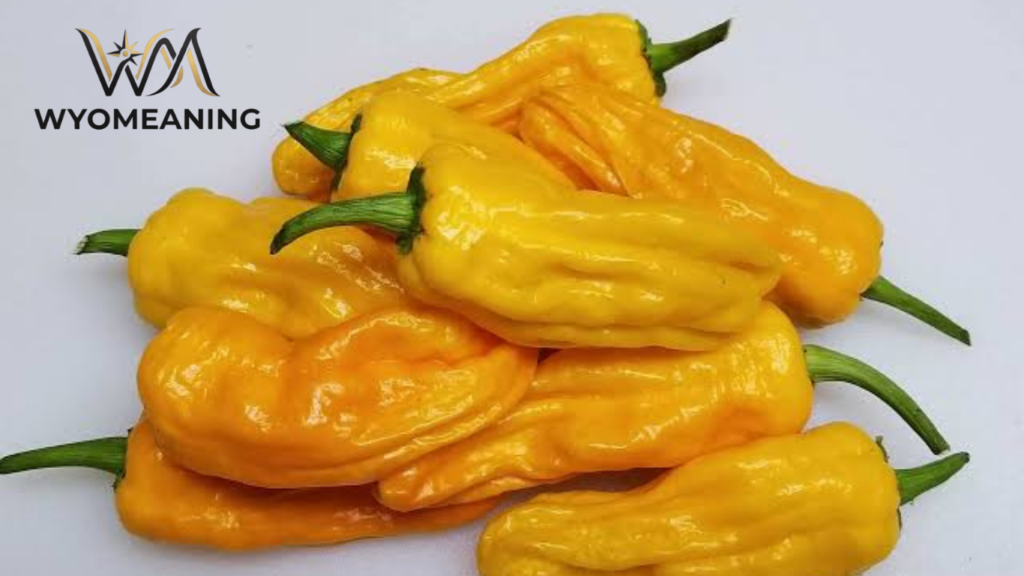
The chief challenge for pepperoncini has been confusion with similar-looking peppers, especially banana peppers. Banana peppers tend to be longer, smoother and milder, while pepperoncini are shorter, more wrinkled and slightly more assertive. Home cooks and even some manufacturers have occasionally blurred the distinction, leading to variable results in recipes that depend on the specific tang of pickled pepperoncini.
Another turning point arrived with the rise of low-sodium diets. The brine that preserves and flavours the peppers is high in salt. Health-conscious consumers sometimes rinse them before use or seek lower-sodium versions. Producers have responded with clearer labelling and alternative packing options, helping the pepper remain relevant without abandoning its traditional character.
Resilience appears in the continued demand for the classic jarred product. Despite the availability of fresh chillies year-round and the fashion for ever-hotter varieties, the mild pickled pepperoncini has held its ground. Its ability to deliver consistent flavour with minimal effort has proven more durable than many trend-driven ingredients.
Personal Life
Publicly confirmed information about pepperoncini centres on their culinary rather than private identity. They form part of family tables across Italy, Greece and diaspora communities. In the United States and elsewhere they appear in household fridges as a ready condiment. No reliable public sources document personal relationships, marriages or children for an ingredient, yet the peppers participate daily in shared meals—salads assembled for gatherings, sandwiches packed for work, pizzas shared among friends. Their role is communal by nature.
Later Career and Current Activities
Recent years have seen pepperoncini maintain steady presence while expanding into new formats. Gourmet and specialty brands offer organic, artisanal or regionally specific versions. Chefs continue to use them in classic preparations and occasionally reimagine them—chopped into relishes, pureed into sauces or paired with unexpected ingredients such as fruit or seafood. Public appearances remain everyday rather than glamorous: the peppers feature in recipe columns, cooking videos and restaurant menus without fanfare.
Charity or advocacy work is not associated with the ingredient itself, yet its accessibility supports broader conversations about inclusive cooking. Mild heat and ready availability make it a practical choice for cooks of varying skill levels and heat tolerance. Business ventures appear mainly through established food companies that process and distribute the peppers, alongside smaller producers emphasising quality brine and consistent texture. Other professional activities include their role in food education, where they serve as a gentle introduction to the Capsicum family.
Quick Bio
| Detail | Information |
|---|---|
| Full Name | Pepperoncini (also friggitello, golden Greek pepper, Tuscan pepper) |
| Date of Birth | Origins post-Columbian exchange; Mediterranean cultivation centuries old |
| Place of Birth | Mediterranean (Italy and Greece) |
| Nationality | Italian/Greek culinary tradition |
| Profession | Culinary ingredient / condiment |
| Years Active | Centuries in regional cooking; widespread commercial availability in the modern era |
| Known For | Mild heat, tangy pickled flavour, versatility in salads, sandwiches and antipasti |
| Estimated Net Worth | Not applicable (commodity ingredient) |
Legacy and Lasting Impact
Pepperoncini remain important because they solve a common kitchen problem with elegance: how to add brightness, mild heat and texture without overpowering other ingredients. Their influence appears in the standard composition of Greek salad, the expected extras on certain pizzas, and the quiet reliability of the antipasto board. Public perception is affectionate and practical. People reach for the jar without ceremony, trusting the peppers to perform.
Lessons from their story include the value of restraint. In a food culture often drawn to intensity, pepperoncini demonstrate that mild can still be memorable. Consistency of flavour, ease of use and cultural rootedness have sustained them longer than many flashier ingredients. They also illustrate how regional produce can travel successfully when processed with care, reaching tables far from Tuscany or the Greek islands while retaining a recognisable character.
Conclusion
From Mediterranean gardens to jars on supermarket shelves, pepperoncini have followed a steady path. They entered European kitchens after the exchange of plants from the New World, found particular favour in Italy and Greece, and later became a quiet fixture of broader Mediterranean-inspired cooking. Their mild heat, tangy brine and ready availability continue to earn them a place at the table. The journey of the pepperoncini is one of modest usefulness rather than dramatic reinvention, and that may be the secret of their lasting appeal.




Leave a Reply