
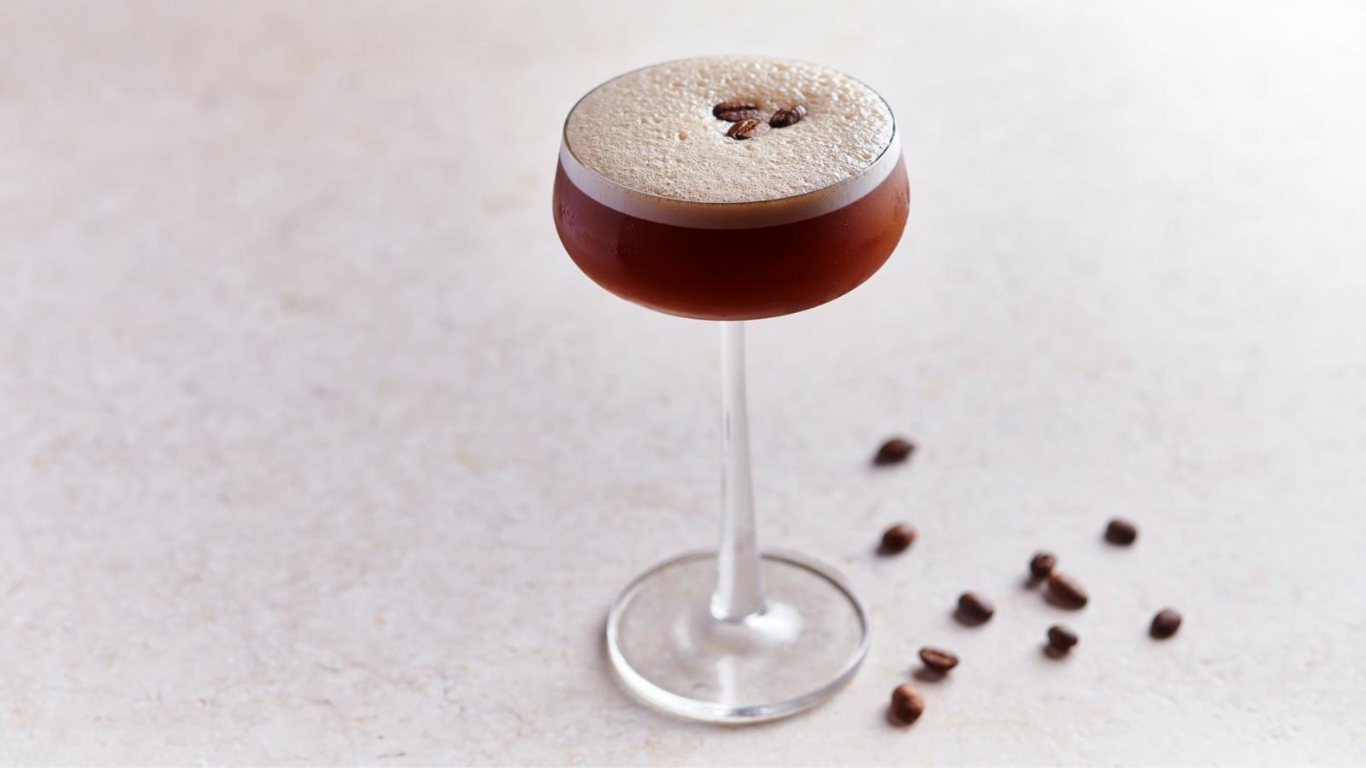
Few cocktails capture the spirit of late-night London quite like the espresso martini. Bold, creamy and caffeine-charged, it delivers an instant lift followed by a smooth, warming buzz. Whether you are hosting friends, winding down after a long day or simply craving something more sophisticated than a plain coffee, the best espresso martini recipe remains one of the most satisfying drinks you can make at home.
Born in the city’s nightlife scene of the 1980s, this vodka-and-coffee creation has travelled far beyond its Soho roots. Today it appears on menus from high-end hotel bars to neighbourhood pubs, yet the finest versions still honour the balance of strong espresso, quality spirit and just enough sweetness. This guide walks you through the history, the definitive recipe, practical techniques and a few worthwhile variations so you can produce a consistently excellent glass every time.
The Origins of a Modern Classic
The espresso martini traces its beginnings to British bartender Dick Bradsell. Working at the Soho Brasserie in London around 1983, he was asked by a young model for a drink that would “wake me up, then mess me up.” Bradsell combined vodka with a freshly pulled shot of espresso and a touch of sweetness. The result was initially known as the Vodka Espresso. Over time it evolved, acquiring coffee liqueur and the now-familiar name Espresso Martini, sometimes briefly called the Pharmaceutical Stimulant when served on the rocks.
Bradsell’s approach reflected the era’s love of vodka and the practical reality of a coffee machine sitting next to the bar. Coffee grounds were an occupational hazard, so incorporating espresso into a cocktail felt natural. The three coffee beans that traditionally garnish the drink are said to represent health, wealth and happiness – a neat Italian-inspired flourish that has stuck.
Although exact proportions varied in Bradsell’s own iterations, the core idea never changed: fresh, strong coffee, a clean spirit and enough sweetness to round the edges without turning the drink into dessert.
The Best Espresso Martini Recipe
The International Bartenders Association version and the recipes closest to Bradsell’s later work provide a reliable foundation. The following recipe yields one generous serving and prioritises balance, crema and temperature.
Ingredients
- 50 ml good-quality vodka
- 30 ml freshly pulled strong espresso (cooled slightly)
- 20–30 ml coffee liqueur (Kahlúa is traditional; Mr Black or similar dry styles also work well)
- 10 ml sugar syrup (1:1 or 2:1, to taste)
- Ice
- Three coffee beans, to garnish
Method
- Chill a martini or coupe glass in the freezer for at least ten minutes.
- Brew a strong espresso and allow it to cool for a minute or two so it does not melt the ice too rapidly.
- Add the vodka, espresso, coffee liqueur and sugar syrup to a cocktail shaker.
- Fill the shaker with ice and shake vigorously for 15–20 seconds. The hard shake is essential: it chills the drink thoroughly and creates the signature foam.
- Double-strain into the chilled glass to remove ice shards and any residual coffee grounds.
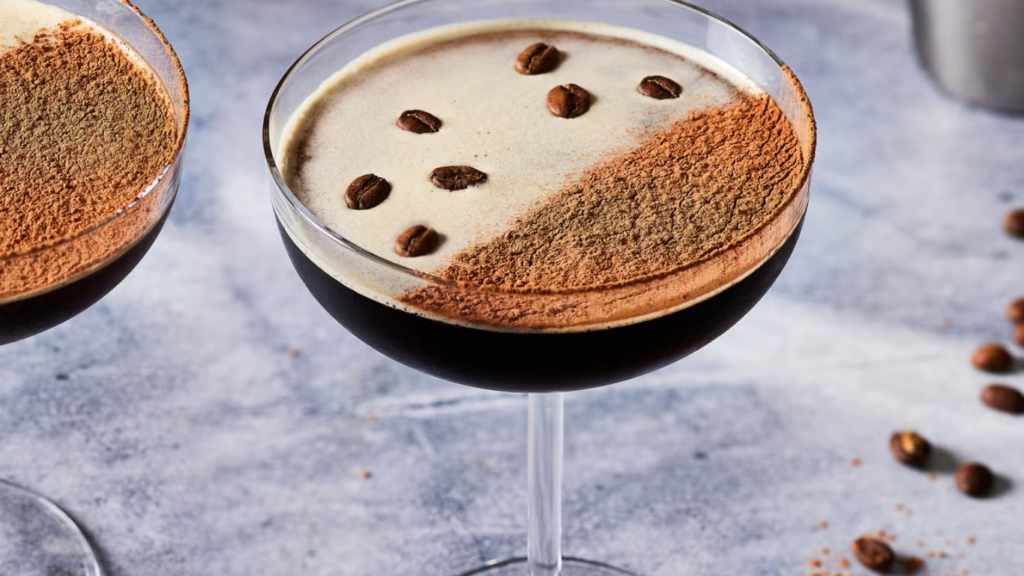
- Float three coffee beans on the foam and serve immediately.
The drink should look glossy, with a thick, even crema across the surface. Taste it before committing to a fixed sweetness level – some prefer a drier profile, others a touch more syrup.
Why This Version Works
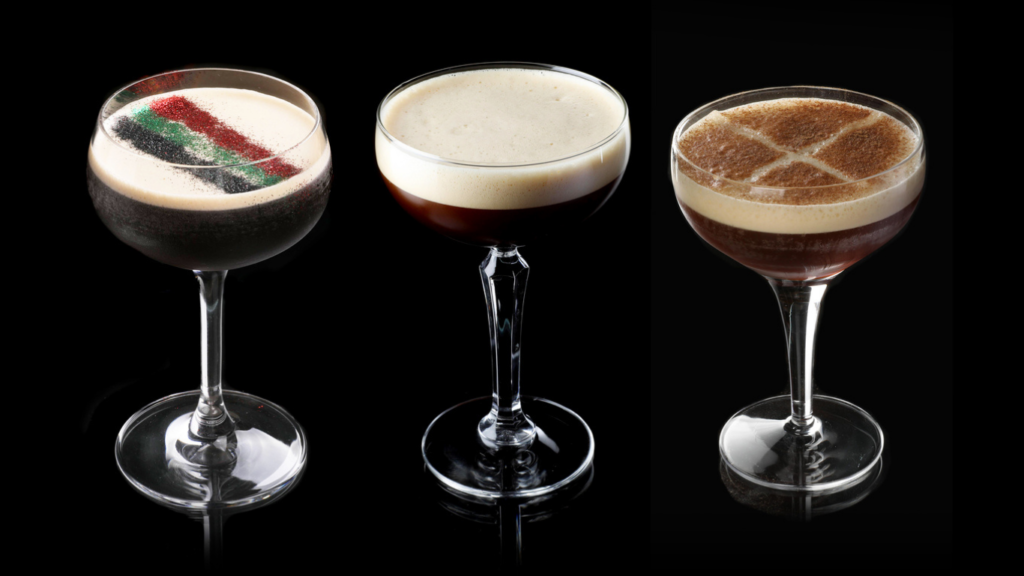
Several details separate an average espresso martini from an outstanding one. Fresh espresso is non-negotiable. Pre-made or long-cooled coffee loses aroma and produces a flatter texture. The strength of the shot matters too; a weak brew disappears under the vodka and liqueur.
Vodka choice is more flexible than many assume. A clean, neutral spirit lets the coffee shine, though some bartenders favour Polish vodkas for a subtle grain character that Bradsell himself liked. Coffee liqueur contributes both flavour and viscosity. Kahlúa brings sweetness and vanilla notes, while modern Australian and British coffee liqueurs offer a more roasted, less sugary profile that many contemporary drinkers prefer.
Sugar syrup is the final adjustable element. Start with 10 ml and adjust. Too little and the drink can taste harsh; too much and it becomes cloying. A small pinch of salt or a drop of saline solution can heighten the coffee notes without adding sweetness – an optional but useful trick.
Common Pitfalls and How to Avoid Them
Many home attempts fall short because of temperature, dilution or foam. Hot espresso poured straight into the shaker melts ice too quickly and waters down the drink. Cooling the shot briefly solves this. Under-shaking produces little foam and a warmer serve. Over-shaking can introduce too much dilution if the ice is soft. Use large, hard cubes when possible.
Glassware also affects the experience. A properly chilled glass keeps the foam intact longer and preserves the cold, creamy mouthfeel. Serving the drink in a room-temperature glass causes the crema to collapse within minutes.
Variations Worth Trying
Once the classic is mastered, small changes keep the drink interesting. A salted caramel version replaces part of the sugar syrup with caramel syrup and a pinch of sea salt. Vanilla vodka or a few drops of pure vanilla extract softens the edges without overwhelming the coffee. For a richer texture, some add a teaspoon of cream or a splash of Irish cream, though purists argue this moves the drink away from its original intent.
Spirit swaps produce distinct results. Cognac or aged rum can replace the vodka for deeper, woodier notes. A measure of amaro introduces bitterness that complements the espresso. Cold-brew concentrate works when an espresso machine is unavailable, though the foam will be less dramatic.
Practical Tips for Consistent Results
- Pull the espresso just before shaking so the aromatics remain lively.
- Taste and adjust sweetness each time – different coffee beans and liqueurs shift the balance.
- Shake harder than feels necessary; the foam is the visual signature of a well-made drink.
- Double-strain for a silky texture free of ice chips.
- Prepare glasses in advance when making several rounds.
Batching is possible for parties. Mix the non-coffee ingredients ahead of time, then add freshly pulled espresso and shake individual portions to order. This preserves the crema that would disappear if the whole batch sat waiting.
Quick Reference
| Detail | Information |
|---|---|
| Originator | Dick Bradsell |
| Approximate year | Circa 1983 |
| Place of origin | Soho Brasserie, London |
| Base spirit | Vodka |
| Key non-alcoholic | Fresh espresso |
| Traditional garnish | Three coffee beans |
| Typical glass | Martini or coupe |
| Approximate ABV | 15–20 % depending on proportions |
Why the Espresso Martini Endure
The cocktail’s lasting appeal lies in its dual nature. It is both a stimulant and a nightcap, equally at home before dinner or as a late-evening closer. Its visual drama – the dark liquid topped with pale foam and three neat beans – makes it instantly recognisable. Most importantly, when made with care it tastes better than the sum of its parts: the bitterness of coffee softened by sweetness, the warmth of spirit lifted by caffeine.
In an age of elaborate multi-ingredient drinks, the espresso martini remains refreshingly direct. Four core components, shaken hard and served cold, still deliver more pleasure than many more complicated creations. That simplicity, combined with the romance of its London origin story, explains why it continues to appear on lists of modern classics decades after Bradsell first mixed one.
conclusion
Mastering the best espresso martini recipe is less about rigid measurement and more about attention to detail: fresh coffee, thorough shaking, proper chilling and thoughtful balance. Once those elements are in place, the drink practically makes itself. Whether you stick to the classic proportions or experiment with a personal twist, the result should leave you both awake and thoroughly satisfied.



Leave a Reply