

If you’ve ever wondered what lies just beneath the surface of your conscious mind, well, red door yellow door might just be the experience you’ve been curious about. Known by many names — “Doors of the Mind,” “Door to Door,” or “One Up, One Down” — this peculiar, fascinating game has been shared at sleepovers, dorm rooms, and psychology classrooms for decades. It’s part hypnosis, part imagination, and entirely unforgettable. Whether you’re a curious newcomer or someone who’s heard whispers about it, this article is your complete, trustworthy guide.
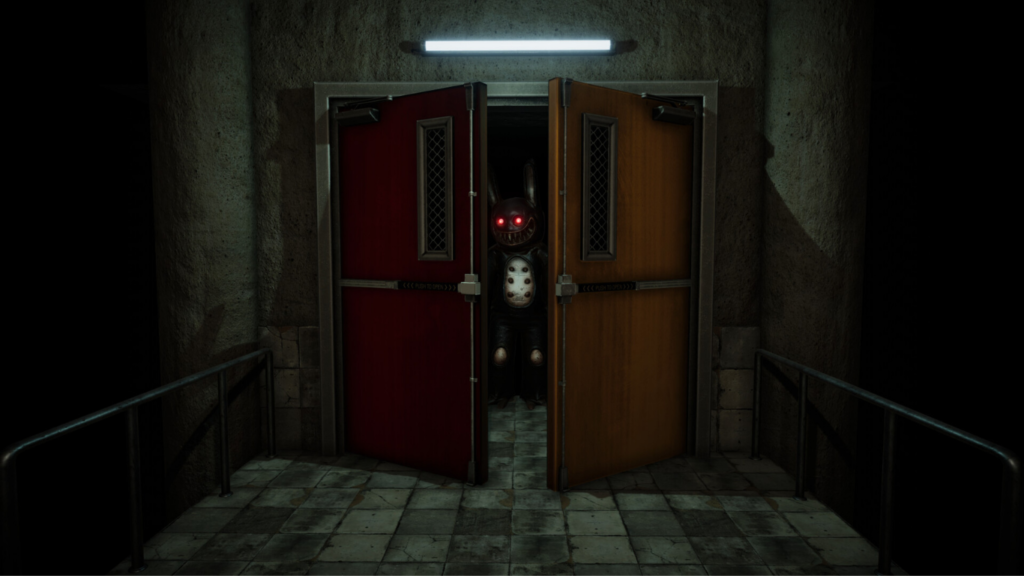
What Exactly Is Red Door Yellow Door?
At its core, red door yellow door is a hypnosis-based guided imagery game typically played between two or more people. One person acts as the guide, while another is the subject who enters a relaxed, trance-like state. The goal? To mentally wander through an imaginary world filled with — you guessed it — red doors, yellow doors, and everything in between.
Here’s how the basics shake out:
- Players needed: At least two — one guide, one subject
- Setting: Quiet, dimly lit room; the subject lies down
- Duration: Usually 15 to 45 minutes
- Core mechanism: Guided hypnotic suggestion and visualization
- Origin: Believed to have started as a playground or sleepover game in North America, though its exact origins aren’t entirely clear
What makes red door yellow door stand out from other games is that it taps into your subconscious mind. Many players report vivid, emotionally charged visions that feel startlingly real — sometimes even unsettling.
Some key historical highlights include:
- 1980s–1990s: The game circulates among children and teenagers informally
- Early 2000s: Internet forums begin documenting personal experiences
- 2010s: YouTube channels feature gameplay videos, sparking mainstream curiosity
- 2020s: TikTok and Reddit breathe new life into the game’s popularity
While its roots aren’t formally documented in academic literature, the game draws heavily from well-established principles of hypnotic induction and guided visualization — techniques that psychologists and therapists have used for well over a century. Interestingly, the game shares structural similarities with certain forms of Jungian active imagination, a therapeutic technique developed by Carl Jung to explore the unconscious.
Never leave a subject in the game unattended. This isn’t just a polite suggestion — it’s a matter of safety.
Now, here’s where things get genuinely interesting. Is red door yellow door just a game, or is there something more going on beneath the surface?
The answer lies in the neuroscience and psychology of hypnotic states. When someone enters a trance-like condition — which is actually a very normal, natural state of focused attention — their brain activity shifts noticeably. Research into hypnosis has shown:
| Brain State | What Happens |
| Normal wakefulness | Active critical thinking, logical filtering |
| Light trance | Reduced activity in the prefrontal cortex (the “critic”) |
| Hypnotic state | Heightened suggestibility, vivid imagery |
| Deep trance | Access to emotionally significant memories and subconscious content |
The rhythmic chanting in red door yellow door functions similarly to monotony-induced hypnosis — a well-documented method of lowering mental defenses and shifting brain activity toward more receptive states. The subject isn’t unconscious; rather, they’re in a focused inward state where imagination feels very, very real.
Dr. David Spiegel of Stanford University — one of the world’s foremost hypnosis researchers — has described hypnosis as a state where the brain’s default mode network becomes more active, allowing vivid internal experiences to feel externally real. Sound familiar?
One of the most captivating aspects of red door yellow door is how wildly different — and yet strangely similar — people’s experiences tend to be. Here are some of the most commonly reported visions:
Positive or Neutral Experiences:
- Wandering through beautiful, light-filled hallways
- Discovering rooms full of childhood memories
- Meeting comforting figures — sometimes deceased loved ones
- Feeling a profound sense of peace and wonder
- Exploring vast, fantastical landscapes
Unsettling or Disturbing Experiences:
- Encountering dark, threatening figures
- Feeling watched or followed
- Stumbling into rooms that feel deeply wrong
- Being unable to open certain doors
- Experiencing difficulty returning (which is why a skilled guide matters)
Extraordinary or Mystical Experiences:
- Encountering a “clock room” — commonly reported and thought to represent time or mortality
- Discovering a mirror that shows a different version of oneself
It’s worth noting that none of these experiences are supernatural, though they certainly feel that way. They’re the subconscious mind doing what it does best — creating meaning from imagery.
Safety Guidelines: What You Must Know Before Playing
Look, let’s be straight with each other — red door yellow door is generally harmless when played responsibly. Here are the non-negotiables:
Absolute Rules:
- Never play alone. A guide is essential for safely returning the subject.
- Stop immediately if the subject becomes distressed. Bring them back using grounding techniques.
- Avoid the game if you have anxiety disorders, trauma history, or psychosis. The visions can be deeply triggering.
- Don’t play under the influence of alcohol or drugs — this can deepen the trance unpredictably.
- Never try to scare the subject while they’re under. Seriously, don’t do it.
Good Practices:
- Choose a trusted, experienced guide
- Keep the session to under 45 minutes
- Debrief after the session — talk through what was experienced
- Play in a safe, comfortable environment
A good guide recognizes this and proceeds gently.
Psychological Interpretations: What Do the Doors Mean?
Here’s where red door yellow door gets truly thought-provoking. What do those colors and doors actually symbolize in the subconscious landscape?
Psychologists and dream analysts have long associated doors with transitions, choices, and the threshold between the known and unknown. In the context of this game:
- Red doors are frequently interpreted as passion, danger, urgency, or suppressed emotion. Red is one of the most psychologically powerful colors — it raises heart rate and signals alertness.
- Yellow doors are often associated with intellect, warmth, happiness, or caution. Yellow is cognitively stimulating and tends to evoke optimism or anxiety depending on the context.
From a Jungian perspective, the entire mindscape of red door yellow door resembles what Carl Jung called the Shadow — the unconscious part of the personality that the conscious ego doesn’t identify with. The “rooms” and “figures” encountered may represent repressed memories, fears, desires, or aspects of self that haven’t been integrated into conscious awareness.
Cultural Impact and Pop Culture Presence
From YouTube compilations racking up millions of views to Reddit threads packed with personal testimonials, the game’s digital footprint is enormous.
Notable cultural moments include:
- Countless YouTube videos from creators like Good Mythical Morning featuring live gameplay
- A dedicated subreddit (r/reddooryellowdoor) with thousands of members sharing stories
- References in podcasts focused on paranormal and psychological topics
- Educators using the game as a springboard for discussing hypnosis, neuroscience, and the psychology of belief
- Creative writing and horror fiction inspired by the game’s imagery
The game has also become a staple in discussions about the paranormal versus psychological debate. Skeptics argue (rightly, in many experts’ opinions) that all experiences are products of the imagination and subconscious processing. Both perspectives make for rich conversation.

Red Door Yellow Door Variations Around the World
Interestingly, similar games and practices exist across many cultures, suggesting that the human desire to explore altered states of consciousness is genuinely universal. Here’s a quick look at some comparable traditions:
| Culture / Region | Practice | Similarity to Red Door Yellow Door |
| Indigenous North America | Vision quests | Guided altered states for self-discovery |
| Ancient Greece | Incubation sleep at temples | Seeking visionary experiences while in trance |
| Tibetan Buddhism | Lucid dreaming practices | Conscious exploration of dream states |
| European hypnotherapy | Guided visualization sessions | Direct parallel to gameplay mechanics |
| Caribbean traditions | Trance states in ritual | Altered consciousness through rhythm and repetition |
This global context suggests that red door yellow door isn’t just a quirky game — it’s part of a much older, deeply human tradition of seeking understanding through the doorways of the mind.
Tips for Being an Excellent Guide
Being a great guide in red door yellow door is genuinely an art form. The subject places tremendous trust in you, and that trust deserves to be honored. Here’s how to step up your guiding game:
- Speak slowly and calmly. Your voice is the anchor. Rushing defeats the purpose.
- Follow the subject’s lead. Don’t push them toward any particular experience.
- Watch for signs of distress. Rapid breathing, furrowed brows, or physical tension are signals to slow down or exit.
- Be patient during silences. Some of the richest experiences happen in quiet moments.
- Have an exit strategy ready. Know your grounding words and count-back sequence before you begin.
- Stay fully present. This isn’t the time to check your phone or crack jokes.
The best guides tend to have a natural empathy and a genuine curiosity about the subject’s experience. If you approach guiding as a performance, the session will suffer. Approach it as a shared, respectful exploration, and it’ll likely be unforgettable for both of you.
Conclusion
At the end of the day — or the session, as it were — red door yellow door is so much more than just a sleepover game. It’s a window into the remarkable complexity of the human mind, a hands-on experience with the power of focused imagination, and a reminder that the most fascinating territory we can ever explore might just be inside ourselves.
Whether you approach red door yellow door with scientific curiosity, a love of mystery, or simply the spirit of adventure, the experience tends to leave a mark. It’s the kind of thing you talk about for years.
The doors are there. The only question is: which one will you choose?
FAQs
Is red door yellow door dangerous?
For most healthy individuals, red door yellow door is not dangerous. However, it’s not recommended for people with anxiety disorders, trauma histories, psychosis, or other mental health vulnerabilities. Always play with a responsible, experienced guide and follow the established safety guidelines.
Can you get “stuck” in red door yellow door?
You cannot literally get stuck, as hypnotic trance is a natural state the brain can exit from. However, subjects who go very deep may take a few minutes to fully reorient. A skilled guide should always bring the subject out slowly and gently, using grounding techniques if necessary.
Why do so many people report similar experiences, like the clock room?
This is a fascinating question with a few possible answers. Shared cultural references, common archetypes rooted in human psychology (as described by Jung), and the suggestive nature of the game’s framing may all play a role. The “clock room,” for instance, may represent universal anxiety about time and mortality.
Is red door yellow door the same as actual hypnosis?
It shares key elements with hypnotic induction — rhythmic repetition, focused attention, and guided imagery — but it isn’t a formal clinical hypnotherapy session. Think of it as a light, informal version of guided hypnosis. Professional hypnotherapists train extensively and work within ethical and clinical frameworks that the game doesn’t replicate.
Can children play red door yellow door?
This is a matter of some debate. Children are actually more hypnotically susceptible than adults, which means they can go deeper and may have more intense experiences. Most experts would recommend caution — younger children, in particular, may find the experience frightening or confusing. Parental oversight and careful consideration are strongly advised before allowing children to participate in red door yellow door.










Leave a Reply