
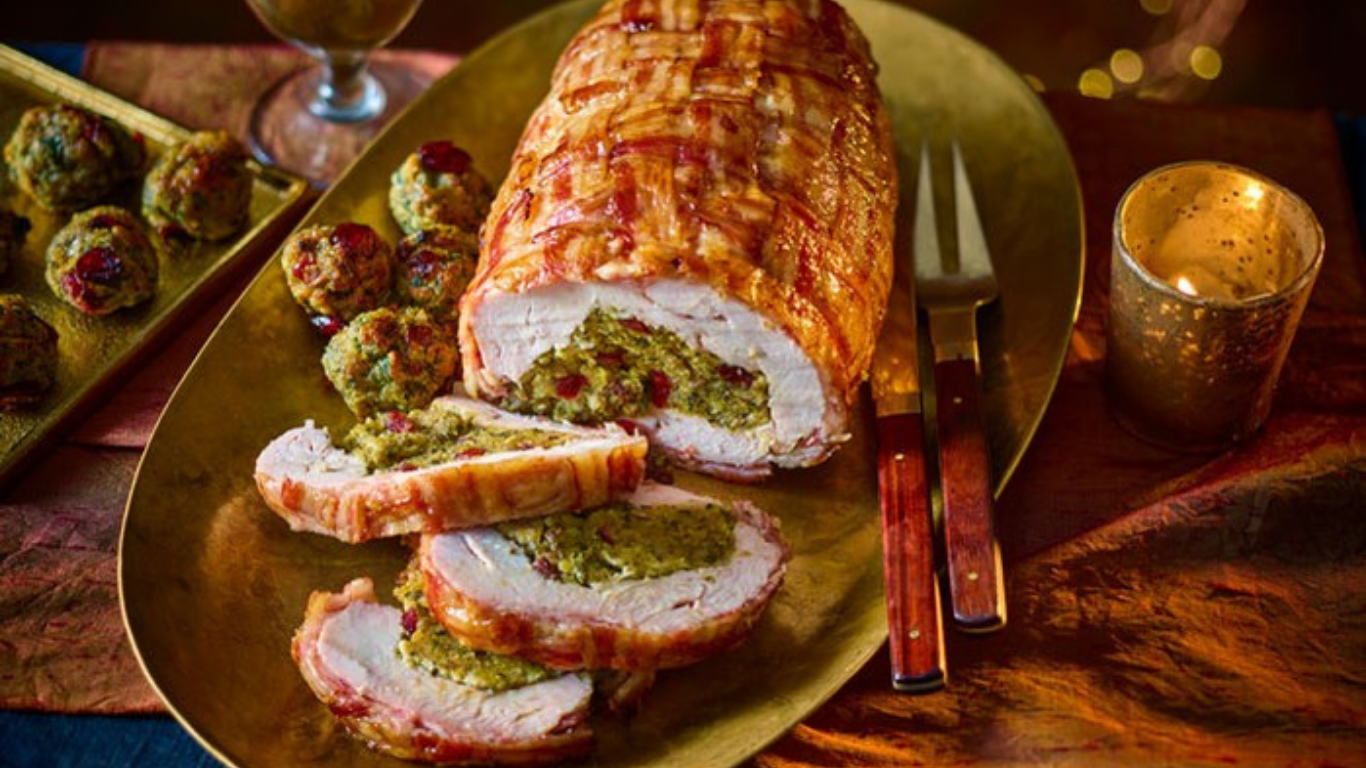
Cooking a whole turkey can feel like a major production, especially for smaller gatherings or when you simply prefer white meat. Learning how to cook a turkey breast in the oven offers a simpler, more manageable alternative that still delivers the classic roast flavour many of us associate with Sunday dinners or festive meals. A well-roasted turkey breast stays tender, develops golden skin, and provides plenty of leftovers for sandwiches or salads the next day.
Whether you are preparing a midweek roast or a more special occasion meal, the method is straightforward once you understand the basic timings, temperatures and a few key techniques. This guide walks through everything you need for reliable results using a conventional oven, drawing on established UK cooking practices.
Why Choose a Turkey Breast?
Turkey breast joints are widely available from butchers and supermarkets, either bone-in or boneless and often tied or netted to hold their shape. They cook more quickly than a full bird, require less oven space, and are easier to carve. The lean meat benefits from careful attention to moisture, which is why covering the joint for most of the cooking time and allowing proper resting are essential steps.
Many home cooks appreciate that a turkey breast can feed four to eight people depending on size, making it practical for everyday cooking as well as Christmas or other celebrations.
Preparing Your Turkey Breast
Start by taking the turkey breast out of the fridge at least an hour before cooking so it can come up to room temperature. This helps it cook more evenly. If the joint is frozen, thaw it fully in the fridge overnight or according to the packaging instructions; never cook from frozen.
Pat the skin dry with kitchen paper. Leaving the netting or string in place is usually recommended, as it helps the joint keep a neat shape during roasting. Weigh the breast accurately so you can calculate the correct cooking time.
A simple preparation works well: rub softened butter generously over the skin and season with sea salt and freshly ground black pepper. For extra flavour you can add chopped fresh herbs such as thyme, sage or rosemary, a little grated nutmeg, or a light dusting of paprika. Some cooks place a few rashers of streaky bacon over the top for added richness and moisture.
Prepare a roasting tin by laying thick slices of onion and carrot in the base. These act as a natural rack, add flavour to any juices, and prevent the meat from sitting directly in liquid. Pour in enough water or stock to cover the vegetables lightly—around 250–400 ml depending on the size of the tin.
How to Cook a Turkey Breast in the Oven: Step-by-Step Method
Preheat the oven to 190°C/170°C fan/gas mark 5. Place the prepared turkey breast skin-side up on top of the vegetables. Cover the tin loosely with foil to create a tent that traps steam and keeps the meat moist.
The standard timing used by many UK sources is 40 minutes per kilogram plus an additional 20 minutes. For example:
- A 1.5 kg joint needs roughly 1 hour 20 minutes
- A 2 kg joint needs about 1 hour 40 minutes
- A 2.5 kg joint needs around 2 hours
These times are a reliable guide but ovens vary, so always check for doneness rather than relying solely on the clock.
Roast the covered joint for the calculated time. About 20–25 minutes before the end, remove the foil so the skin can brown and crisp. If you like, baste the surface with the pan juices or a little extra melted butter at this stage.
To test whether the turkey is cooked, insert a skewer or thin knife into the thickest part of the breast. The juices should run clear with no trace of pink. An instant-read thermometer is the most accurate tool: the internal temperature should reach 65–70°C (some guidelines prefer 75°C after resting). Carry-over cooking during the rest period will raise the temperature a little further.
Once cooked, transfer the joint to a warm plate or board, cover loosely with foil, and rest for at least 20–30 minutes. Resting is not optional. It allows the juices to redistribute through the meat so that slices remain moist rather than dry when carved.
Tips for Perfectly Juicy Results
Moisture is the main concern with lean turkey breast. Covering the joint for most of the cooking time, adding liquid to the tin, and resting properly all help. Avoid opening the oven door repeatedly, as this causes temperature fluctuations.
If the skin is browning too quickly even under foil, lower the oven temperature slightly. Conversely, if the skin needs more colour at the end, a brief spell under a hot grill (watched carefully) can finish it off.
For those who prefer a more intense flavour, a simple dry brine of salt and herbs applied the night before and left uncovered in the fridge can improve both taste and texture. Rinse and dry the surface before roasting if you use this method.
Bone-in joints generally stay juicier than boneless ones because the bone helps conduct heat more gently. Boneless joints cook a little faster and are easier to slice cleanly.
Serving Suggestions and Leftovers
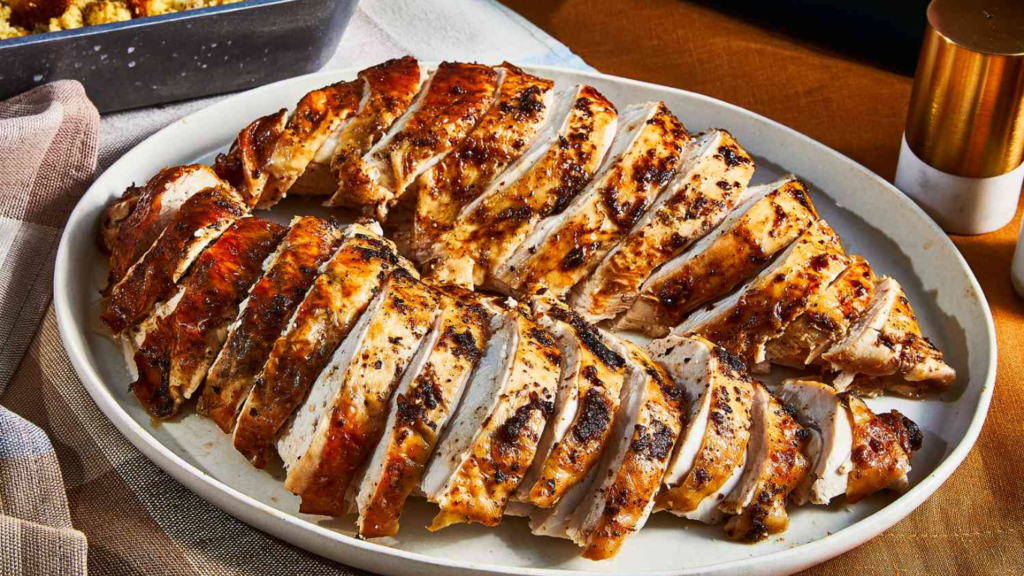
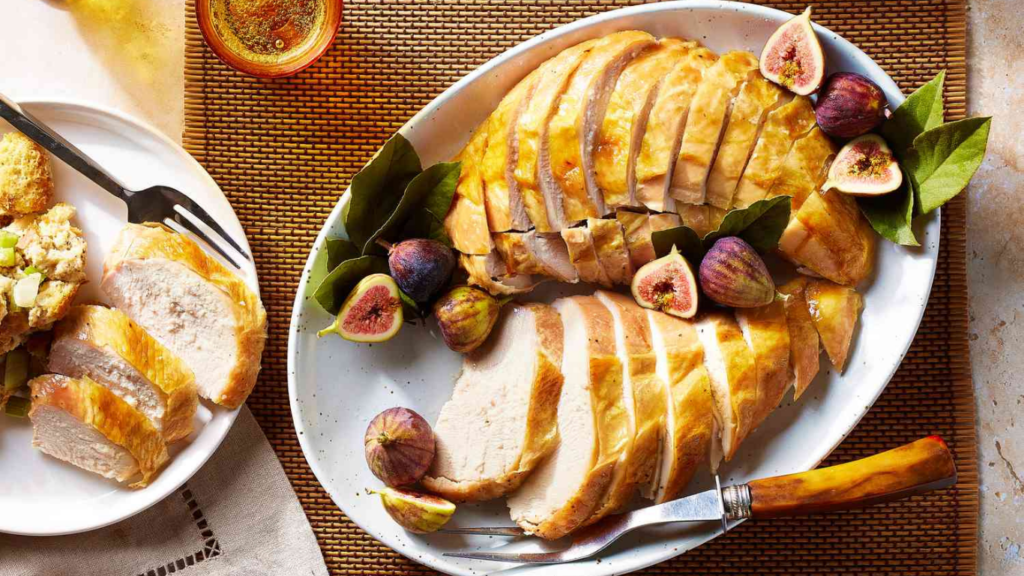
Carve the rested turkey breast across the grain into neat slices. Serve with classic accompaniments such as roast potatoes, seasonal vegetables, bread sauce, cranberry sauce and gravy made from the pan juices. Simply strain the cooking liquid, skim off excess fat, and thicken with a little flour or cornflour if desired.
Leftover meat keeps well in the fridge for up to three days. It makes excellent sandwiches with stuffing and cranberry sauce, or can be used in pies, salads, or creamy pasta dishes. The carcass or bones can be simmered for stock.
Common Variations
While the basic butter-and-herb method is reliable, small changes keep the dish interesting. Try spreading a mixture of softened butter, garlic and lemon zest under the skin before roasting. A light coating of olive oil mixed with dried herbs works if you prefer a dairy-free option. For a festive touch, some cooks lay thin slices of orange or clementine on the joint under the bacon.
Air-fryer methods exist for smaller joints, but a conventional oven remains the most consistent choice for larger pieces and for those cooking multiple dishes at once.
Quick Reference Guide
| Detail | Guidance |
|---|---|
| Oven temperature | 190°C / 170°C fan / gas 5 |
| Timing | 40 minutes per kg + 20 minutes |
| Internal temperature | 65–70°C (juices clear) |
| Resting time | 20–30 minutes |
| Best for | 4–8 people depending on size |
Final Thoughts on Mastering the Method
Knowing how to cook a turkey breast in the oven removes much of the intimidation that can surround roasting poultry. With accurate weighing, the right temperature, careful covering and proper resting, you can achieve tender, flavourful meat and appealing golden skin without specialist equipment or complicated techniques.
conclusion
The process rewards a little patience and attention to detail, yet remains accessible for cooks of all levels. Once you have tried it a few times you will develop a feel for your own oven and preferred seasonings, making the dish a reliable part of your repertoire.

Leave a Reply