
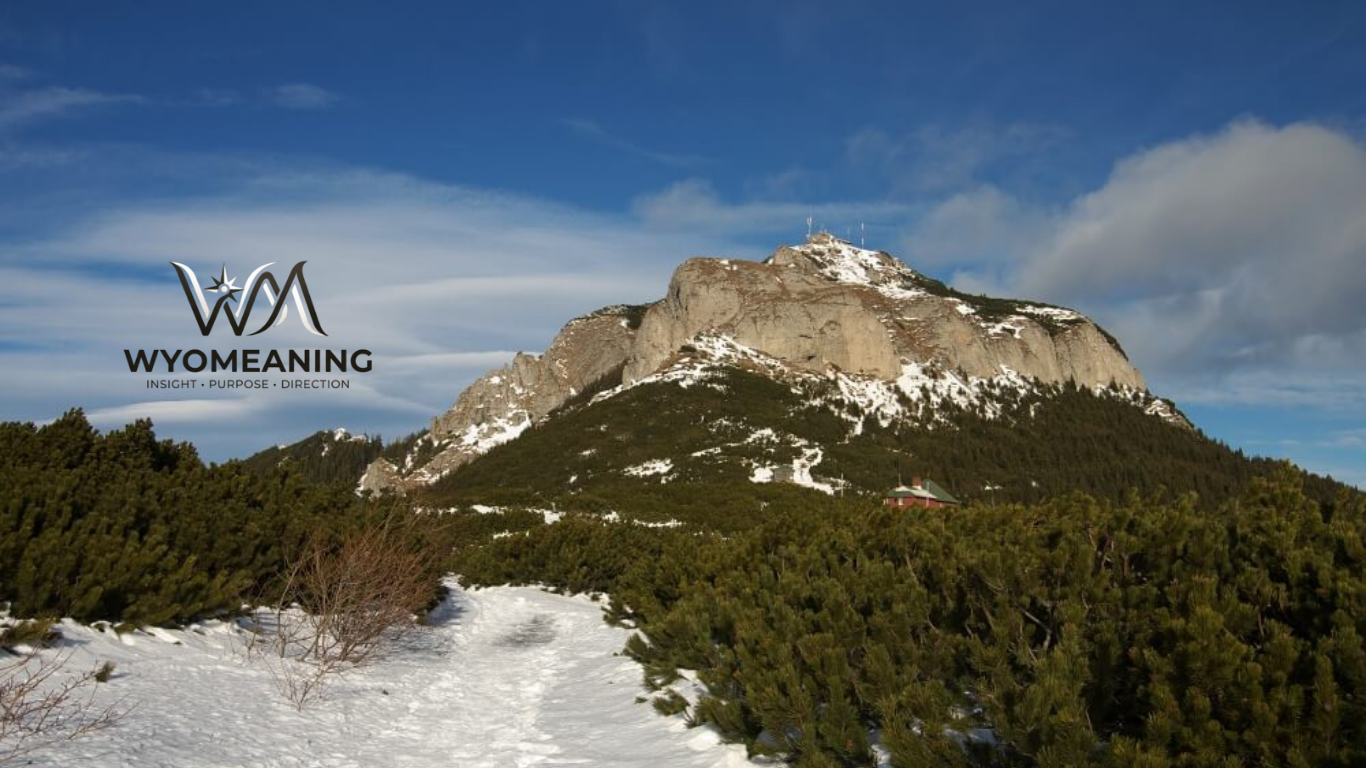
Stretching in a broad arc across Central and Eastern Europe, the Carpathian Mountains form one of the continent’s most significant natural landscapes. Often described as Europe’s green backbone or last great wilderness, this range stretches roughly 1,500 kilometres from near Bratislava in Slovakia to the Iron Gate on the Danube in Romania. It crosses parts of the Czech Republic, Slovakia, Poland, Hungary, Ukraine, Romania and Serbia, with Romania holding the largest share.
Lower and less compact than the Alps, the Carpathian Mountains still offer dramatic scenery, vast tracts of forest and some of Europe’s richest wildlife. Their moderate heights, extensive old-growth woodlands and cultural traditions continue to draw hikers, nature lovers and those seeking quieter mountain experiences. Readers remain interested because the range represents a rare combination of accessibility, biodiversity and living cultural heritage in an increasingly developed Europe.
Geography and Formation of the Carpathian Mountains
The Carpathian Mountains form a crescent-shaped system that is the third-longest in Europe after the Urals and the Scandinavian Mountains. Width varies from as little as 12 kilometres in places to more than 300 kilometres in others, covering an area of around 190,000 to 210,000 square kilometres. The highest point is Gerlachovský štít (Gerlach) in Slovakia’s High Tatras, at 2,655 metres. Other notable peaks include Moldoveanu (2,544 metres) in Romania’s Făgăraș Mountains and Hoverla (2,061 metres), Ukraine’s highest summit.
Geologically, the range formed during the Alpine orogeny through the collision of the African and Eurasian plates. This process folded and uplifted ancient seabed sediments, creating a structure of mountain blocks separated by basins rather than a single continuous high ridge. The Western Carpathians include the Tatras; the Eastern Carpathians run through Poland, Slovakia, Ukraine and northern Romania; and the Southern Carpathians (sometimes called the Transylvanian Alps) dominate Romania. Only a small percentage of the range rises above the tree line, which contributes to the extensive forest cover that defines much of its character.
Vegetation changes clearly with altitude. Lower slopes support oak, beech and mixed deciduous woodland. Higher zones give way to spruce and fir, then dwarf pine and alpine meadows. The climate is generally temperate, with colder winters and cooler summers at elevation, supporting a range of habitats from lowland valleys to high pastures known locally as polonyny in the Ukrainian sections.
Biodiversity: Europe’s Wildlife Stronghold
The Carpathian Mountains stand out as one of Europe’s most important biodiversity hotspots. They host more than one-third of all European plant species and some of the continent’s largest remaining populations of large carnivores. Romania alone supports high numbers of brown bears, wolves and Eurasian lynx. The range is also home to chamois, European bison in certain areas, wildcats, red deer, wild boar and golden eagles.
Primeval and old-growth forests are a particular treasure. Romania protects the second-largest area of virgin forest in Europe after Russia, much of it within the Carpathians. The Southern Carpathians contain Europe’s largest unfragmented forest expanse. Parts of these beech forests form a UNESCO World Heritage site shared across several countries. This ecological continuity allows wildlife to move across large distances with relatively few major barriers, something increasingly rare on the continent.
Traditional mountain pastures and hay meadows, shaped by centuries of low-intensity farming, add further value. These semi-natural habitats support specialised plants and insects and form an important part of the cultural landscape.
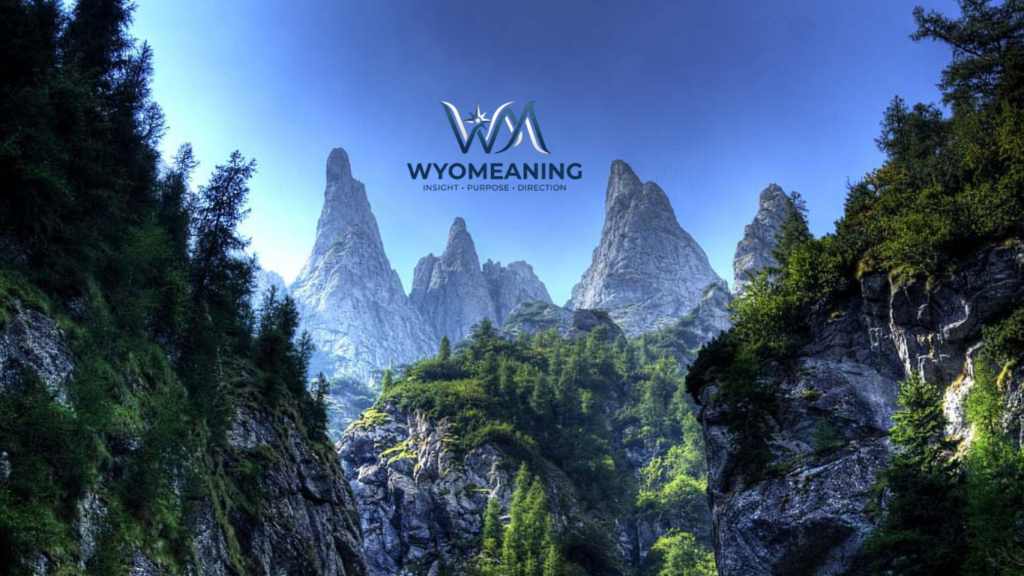
Human History and Cultural Landscape
People have lived in and around the Carpathian Mountains for millennia. The name itself is ancient, recorded in classical sources and possibly linked to the Carpi, a people who lived east of the range, or to roots meaning “rock” or “rugged.” Roman interest focused on the mineral wealth of Dacia, where significant quantities of gold and silver were extracted.
Over centuries the mountains became home to diverse communities: Slovaks, Poles, Ukrainians (including Hutsuls), Romanians, Hungarians and others. Traditional pastoralism, forestry and crafts shaped the valleys and high pastures. Wooden churches, many now UNESCO-listed, stand as distinctive architectural markers in the Polish, Slovak and Ukrainian sections. Saxon villages in Transylvania and remote highland settlements preserve ways of life that feel continuous with the past, even as modern influences arrive.
The range has also served as a cultural bridge between northern and southern Europe and as a setting for folklore, literature and national identities. Mineral and thermal springs have long drawn visitors seeking health benefits, particularly in Romania.
Tourism and Outdoor Activities
Tourism has grown steadily while still leaving large areas relatively quiet. Popular destinations include the High Tatras shared by Slovakia and Poland, with resorts such as Zakopane; Romania’s Bucegi and Piatra Craiului national parks near Brașov and Sinaia; and Ukraine’s Carpathian National Nature Park around Hoverla. Hiking trails range from gentle valley walks to multi-day ridge routes. Winter sports, including skiing, are well established in several centres.
National parks and biosphere reserves protect key landscapes. Visitors can explore limestone gorges, glacial lakes, waterfalls and alpine meadows. Responsible tourism initiatives emphasise low-impact travel, supporting local communities through guesthouses, guiding and traditional food. The combination of wilderness, cultural heritage and relative affordability continues to attract those looking beyond more crowded Alpine destinations.
Environmental Challenges and Conservation
Despite their relative wildness, the Carpathian Mountains face serious pressures. Illegal and unsustainable logging has reduced forest cover in places. Habitat fragmentation, climate change, land abandonment and intensifying tourism all pose risks. Rising temperatures increase the likelihood of drought, altered disturbance regimes and shifts in species distribution.
Conservation efforts have responded. The Carpathian Convention, signed by the seven range countries, provides a framework for cooperation on biodiversity, sustainable tourism and climate adaptation. National parks, biosphere reserves and private initiatives, such as large-scale forest protection and rewilding projects in Romania’s Southern Carpathians, aim to secure core wilderness areas. Protection of remaining virgin forests and connectivity for large carnivores remain priorities. Success depends on balancing local livelihoods with long-term ecological health.
Quick Facts
| Detail | Information |
|---|---|
| Full Name | Carpathian Mountains (or Carpathians) |
| Length | Approximately 1,500 km |
| Highest Peak | Gerlachovský štít, Slovakia (2,655 m) |
| Countries | Czech Republic, Slovakia, Poland, Hungary, Ukraine, Romania, Serbia |
| Approximate Area | 190,000–210,000 km² |
| Key Features | Extensive forests, large carnivore populations, alpine meadows |
| Notable Designations | UNESCO primeval beech forests, multiple national parks |
Legacy and Lasting Importance
The Carpathian Mountains remain important because they preserve a scale of wilderness and ecological connectivity that has largely disappeared elsewhere in Europe. They support species and habitats under pressure across the continent and provide essential ecosystem services, including water regulation, carbon storage and recreation. Their cultural landscapes demonstrate how human communities and mountain environments can coexist over long periods.
Public perception often highlights the range as a quieter, more authentic alternative to the Alps—places of forests, bears and traditional villages rather than purely high-alpine spectacle. The lessons they offer concern the value of large, connected natural areas and the need for cross-border cooperation to protect them.
Conclusion
The Carpathian Mountains stand as a living archive of Europe’s natural and cultural history. From their geological origins to the wildlife that still thrives in their forests and the communities that continue to shape their valleys, they reward careful attention. Their future depends on sustained conservation that respects both ecological limits and the people who call the range home.









Leave a Reply