
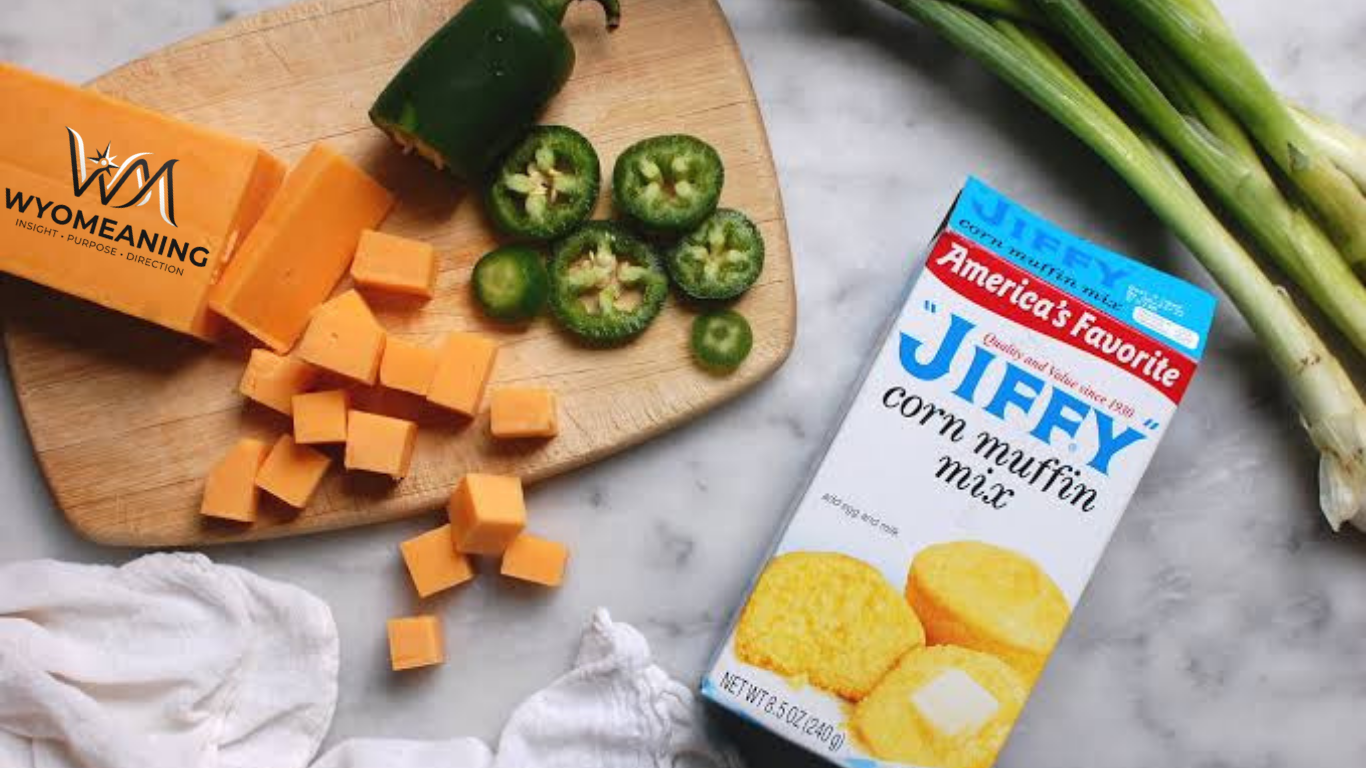
Few products sit so quietly in the cupboard yet mean so much at the table. Jiffy corn muffin mix has been a reliable presence in American kitchens for three-quarters of a century, turning out golden, slightly sweet muffins with little more than milk or water and a hot oven. Its distinctive blue-and-white box is instantly recognisable, its price almost always under a dollar, and its flavour a familiar comfort for generations of families. What began as a practical solution in a Michigan mill has become one of the most successful dry-grocery items in the United States, all without flashy advertising campaigns or corporate takeovers.
Readers remain drawn to the story because it is refreshingly ordinary and remarkably consistent. In an age of constant rebranding and premium pricing, Jiffy corn muffin mix has stayed true to its original purpose: making good food accessible and easy. That quiet reliability, rooted in a family business that has never left its hometown, continues to hold fascination.
Early Life and Background
The roots of Jiffy corn muffin mix stretch back to the flour-milling traditions of the Holmes family in Michigan. The Chelsea mill itself traces its commercial beginnings to the late nineteenth century. In 1887 the family became involved with the Chelsea Roller Mill; by 1901 Harmon S. Holmes had established what became Chelsea Milling Company, producing flour for local communities.
Mabel White Holmes, daughter-in-law of Harmon and wife of Howard Samuel Holmes, is the central figure in the brand’s creation. Born in 1890, she grew up in a world where baking from scratch was the norm. In the late 1920s, around the onset of the Great Depression, her twin sons brought a school friend home for lunch. The boy’s single father had packed a hard, flat biscuit that Mabel later described as resembling a hockey puck. The sight moved her. She understood how much effort went into baking and how easily it could go wrong, especially for someone managing alone.
Working in her kitchen and drawing on the family’s milling expertise, Mabel developed a prepared baking mix that required only the addition of milk. The idea was simple: put the dry ingredients together so reliably that even an inexperienced cook could succeed. She and her husband named it “Jiffy,” recalling a childhood phrase from the family cook who would announce that biscuits would be “ready in a jiffy.” In April 1930 the first Jiffy all-purpose baking mix reached the public, widely regarded as America’s first commercially sold prepared baking mix. It was priced low and designed to help households stretched thin by hard times.
Career and Rise to Fame
The original mix found early success with grocery chains, but the product that would define the brand arrived twenty years later. In 1950 Chelsea Milling introduced Jiffy corn muffin mix. Made primarily from yellow cornmeal, wheat flour, sugar and shortening, it delivered a tender, slightly sweet muffin that appealed across regions and generations. The small box size was intentional, providing enough for a single meal and reducing waste.
By the 1960s the company had phased out wholesale flour sales to concentrate entirely on Jiffy mixes. The corn muffin variety quickly became the standout. Company figures indicate it has long accounted for the vast majority of retail sales—around 91 per cent in some reported periods—and holds roughly 92 per cent of the United States corn-muffin-mix market. On a typical day the Chelsea plant has produced as many as 1.6 million boxes of the corn muffin mix alone. Across all varieties the company has sold hundreds of millions of boxes annually.
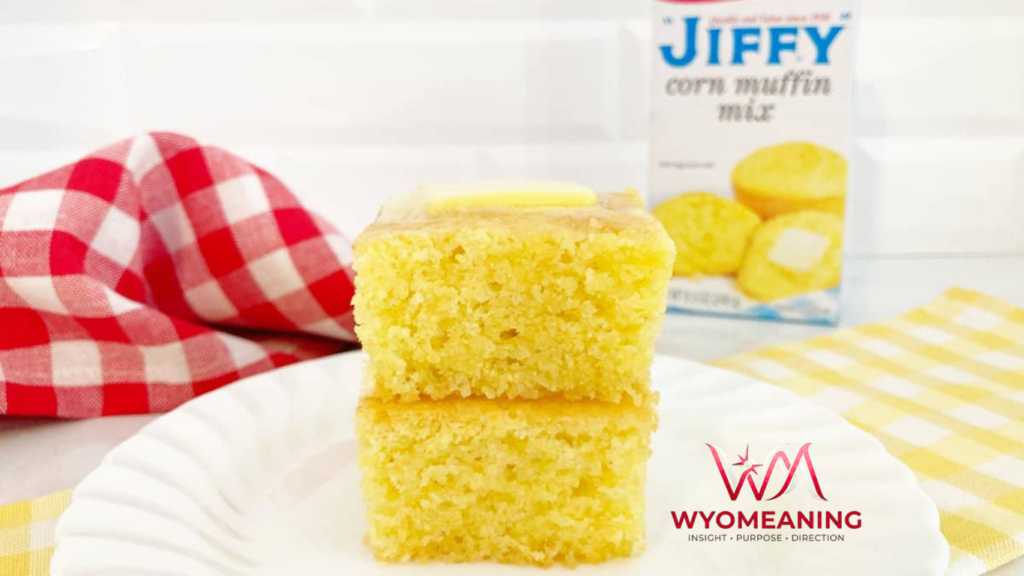
What is striking is how little traditional marketing accompanied this rise. Chelsea Milling has historically avoided coupons, print advertisements and television commercials, relying instead on product quality, consistent packaging and word of mouth. The blue-and-white box has seen only subtle updates over the decades. The company remained in family hands through successive generations: after Howard Samuel Holmes died in a silo accident in 1936, Mabel herself served as president; later leadership passed to their sons and then to grandson Howard “Howdy” Holmes, a former racing driver who became CEO in the 1990s, and more recently to Howard S. Holmes II.
Personal Challenges or Turning Points
The business faced the ordinary pressures of any long-running manufacturing enterprise—economic downturns, changing consumer habits, and the need to modernise equipment while preserving a no-frills ethos. One notable episode in the 1980s involved temporary removal of product from shelves in two states over residues of a grain insecticide; the levels were within federal limits and the company defended its standards. More broadly, the decision to keep prices low even as ingredient and energy costs rose has required careful management of a private, debt-averse operation. The family has repeatedly declined offers to sell, choosing independence over rapid expansion or private-equity involvement. No lay-offs have been reported in the company’s history, and average employee tenure remains relatively long.
These choices reflect a deliberate philosophy rather than reaction to crisis: prioritise affordability and continuity over short-term profit maximisation.
Personal Life
Public information about the Holmes family’s private lives is limited and carefully kept separate from the business narrative. Mabel White Holmes remained closely associated with the company until her death in 1977 at the age of 86. Later generations have spoken mainly in professional contexts about the mill, the product and the value of remaining in Chelsea, Michigan. The company continues to operate from the same community, with all production based there.
Later Career and Current Activities
Today Jiffy offers around fourteen retail mixes, including variations such as honey corn muffins, alongside the original corn muffin formula. The brand has expanded cautiously into food-service channels and, more recently, into Canada, with further international possibilities under consideration. Research and development continues in Chelsea, focused on maintaining the core recipes while meeting contemporary expectations around packaging and sustainability—boxes are made from recycled materials and carry How2Recycle labelling.
Howard S. Holmes II has emphasised that private ownership allows the company to weather cost pressures without raising prices as aggressively as publicly traded competitors. The distinctive packaging remains largely unchanged, and the product is still widely available at dollar stores and major retailers for well under a dollar—sometimes as low as fifty cents. Thanksgiving remains a peak period, underscoring the mix’s place in everyday and holiday cooking alike.
Quick Bio
| Detail | Information |
|---|---|
| Full Name | Jiffy Corn Muffin Mix (Chelsea Milling Company) |
| Date of Introduction | 1950 (original Jiffy mix 1930) |
| Place of Origin | Chelsea, Michigan, USA |
| Nationality | American |
| Profession / Category | Prepared baking mix / dry grocery staple |
| Years Active | 1950–present (brand from 1930) |
| Known For | Affordable corn muffins, iconic blue box, high market share |
| Estimated Net Worth | Not publicly disclosed (privately held family company) |
Legacy and Lasting Impact
Jiffy corn muffin mix endures because it solved a practical problem and never abandoned that solution. It demonstrated that convenience and quality need not come at a premium price, and that a family business can thrive for generations without chasing trends. Its influence is visible in the broader category of prepared mixes that followed, yet the product itself has retained a distinctive identity. Public perception remains affectionate and pragmatic: it is the mix people reach for when they want something reliable, inexpensive and familiar. The story also offers a quiet lesson in restraint—staying focused on core values, remaining rooted in a community, and letting the product speak for itself.
Conclusion
From a Michigan kitchen experiment in the early years of the Depression to a national pantry essential still sold for less than the price of a candy bar, Jiffy corn muffin mix has charted an unusually steady course. Its success rests on a simple idea executed consistently across nearly a century of change. The blue box continues to deliver what Mabel White Holmes set out to provide: something good, made easy, and kept within reach of ordinary households.


Leave a Reply