
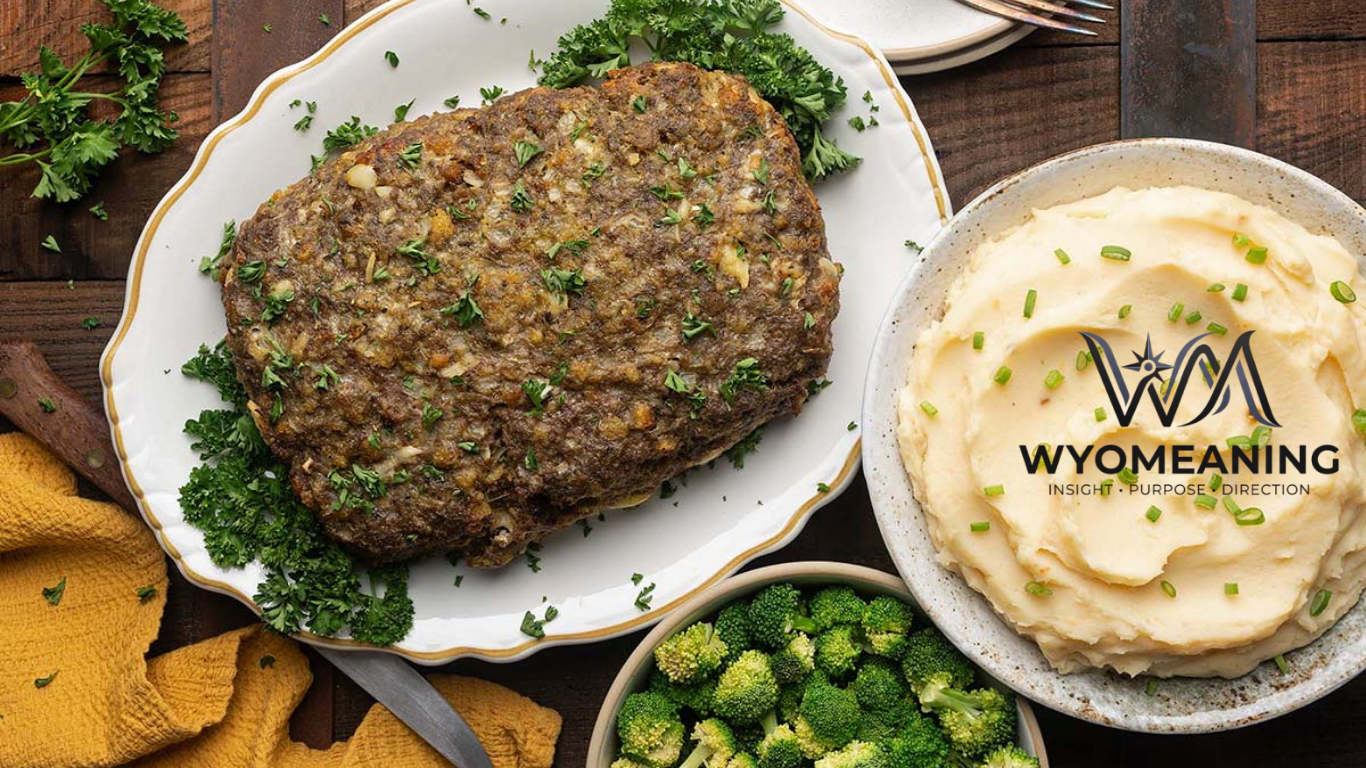
Few weeknight dinners deliver quite the same sense of quiet satisfaction as a well-made meatloaf. When that familiar loaf is bound with a box of seasoned stuffing mix rather than plain breadcrumbs, the result is something special: moist, herb-scented and remarkably simple. Stove Top stuffing meatloaf has become a quiet favourite in countless kitchens for good reason. It turns a handful of everyday ingredients into a reliable, flavourful main course that feels both nostalgic and practical.
This dish sits at the intersection of convenience cooking and proper comfort food. The seasoned cubes in a packet of Stove Top (or similar stuffing mix) absorb juices from the meat, keep the texture tender and add layers of savoury flavour that would otherwise require a long list of herbs and aromatics. Whether you grew up with the recipe on the back of the box or discovered it more recently, the appeal remains the same: maximum taste for minimal effort.
The Origins of Stove Top and the Rise of Stuffing Meatloaf
Stove Top stuffing itself arrived on American supermarket shelves in 1972, the product of work at General Foods. Home economist Ruth Siems, a Purdue University graduate, played a key role in refining the breadcrumb size and seasoning so that the mix could be prepared quickly on the hob or in the microwave. The goal was convenient, reliable stuffing that did not need to be cooked inside a bird. The product succeeded far beyond holiday tables and soon found its way into everyday cooking.
It did not take long for home cooks to notice that the dry mix worked brilliantly as a binder in meatloaf. Instead of plain breadcrumbs or crushed crackers, the seasoned stuffing contributed built-in flavour and a light, almost cakey texture once hydrated. Recipes began appearing on packaging and in community cookbooks during the 1970s and 1980s. By the time Stove Top became a household name, stuffing meatloaf was already established as a practical family dinner. Today it remains popular precisely because it still solves the same problems: limited time, the desire for something hearty, and the need for leftovers that reheat well.
Why Stove Top Stuffing Works So Well in Meatloaf
Traditional meatloaf relies on breadcrumbs or oats to absorb moisture and hold the mixture together. Stuffing mix does the same job while adding onion, herbs, celery notes and seasoning in one step. The slightly larger pieces of dried bread create interesting texture in each slice rather than a uniform crumb. When mixed with milk, broth or water and left to soften for a few minutes, the mix hydrates evenly and helps keep the finished loaf moist even if the meat is on the leaner side.
Most versions call for a standard 170 g (6 oz) box of stuffing mix, typically chicken, savoury herb or traditional sage flavour. Any variety works; the choice simply shifts the overall taste profile. Ground beef with around 20 per cent fat is the usual choice for juiciness, though many cooks successfully use a mixture of beef and pork or turkey. An egg or two binds everything, while a splash of Worcestershire sauce, ketchup or dried onion adds depth. The classic sweet-tangy glaze of ketchup mixed with a little brown sugar and vinegar finishes the top and caramelises during baking.
How to Make Classic Stove Top Stuffing Meatloaf
A reliable basic method starts with preheating the oven to 175 °C (350 °F). In a large bowl, combine one box of dry stuffing mix with roughly 120–240 ml milk or broth and allow it to stand for five minutes so the cubes soften. Add one or two beaten eggs, a tablespoon of Worcestershire sauce, a little ketchup if desired, and any extra seasonings. Then gently work in 900 g to 1 kg of ground beef until just combined. Over-mixing can make the loaf dense, so stop as soon as the ingredients look evenly distributed.
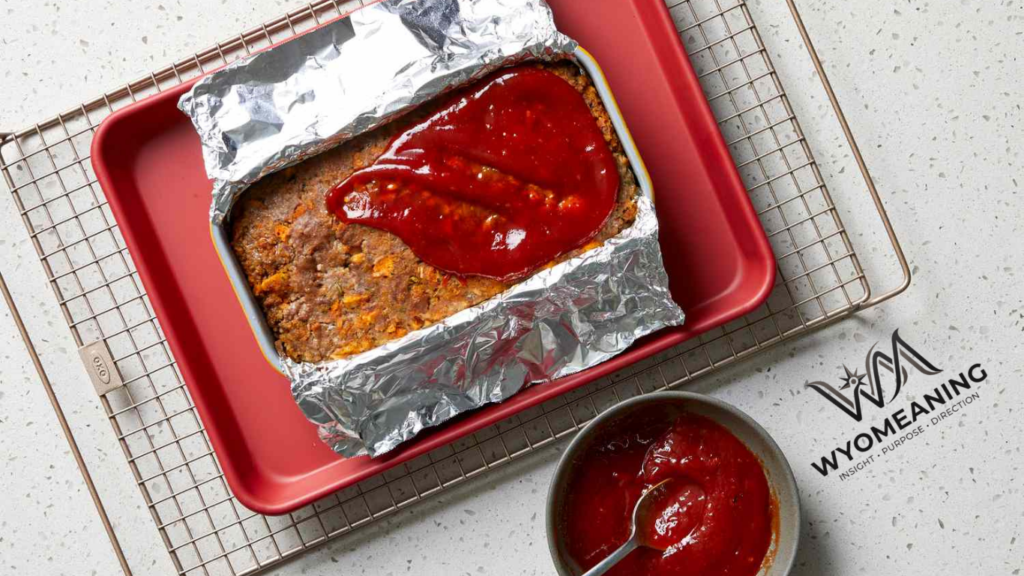
Shape the mixture into a free-form loaf on a lined baking tray or press it into a lightly greased loaf tin. A free-form shape allows more surface area for the glaze to caramelise and lets excess fat drain away. Spread a simple glaze of ketchup, brown sugar and a splash of apple-cider vinegar over the top. Bake for 50–70 minutes, depending on thickness, until the internal temperature reaches 71 °C (160 °F). Resting the loaf for 10 minutes before slicing is essential; it allows the juices to redistribute and produces cleaner cuts.
The same mixture can be portioned into individual mini loaves or baked in muffin tins for quicker cooking and convenient single servings. Leftovers keep well in the refrigerator for several days and freeze successfully, making the recipe useful for batch cooking.
Variations and Practical Tips
Once the basic formula is familiar, small changes keep the dish interesting. Adding finely chopped onion, green pepper or grated carrot increases moisture and nutrition. A handful of grated cheese mixed through the meat or melted on top in the final minutes adds richness. Some cooks replace part of the beef with sausage meat for deeper flavour. Glazes can be varied too: barbecue sauce, a mustard-honey mixture or a simple tomato sauce all work.
For those watching salt, choose a lower-sodium stuffing mix or dilute the seasoning with plain breadcrumbs. Leaner meats benefit from an extra splash of milk or broth so the loaf does not dry out. Cooking on a rack set over a tray helps fat drain and produces a firmer exterior. An instant-read thermometer removes guesswork and prevents over-baking.
In the UK the original American Stove Top brand is available through specialist retailers and online, though any good-quality dried stuffing mix of similar weight can be substituted with good results. The principle remains the same: seasoned dried bread that hydrates into a flavourful binder.
Why the Dish Continues to Appeal
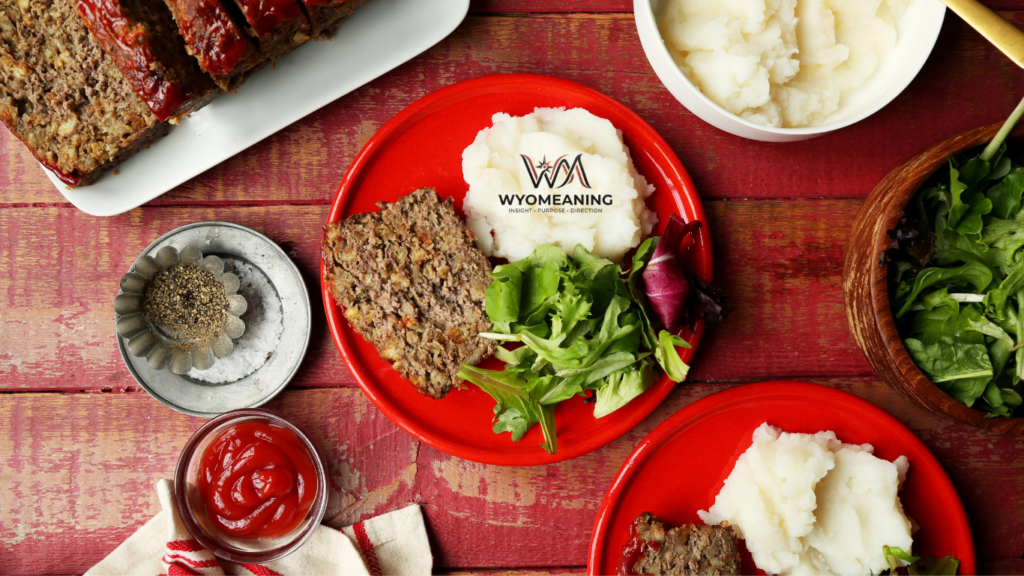
Stove Top stuffing meatloaf succeeds because it is forgiving. It tolerates slight variations in ingredients and timing, yet still delivers consistent results. It satisfies the desire for proper home-cooked food without demanding hours of preparation. In an era of elaborate recipes and long ingredient lists, its straightforward nature feels almost radical. Families appreciate that children often accept it readily, while adults enjoy the nostalgic flavours and the ease of serving with mashed potatoes, green vegetables or a simple salad.
The dish also illustrates a broader shift in home cooking that began in the mid-twentieth century: the creative use of convenience products to produce meals that still feel homemade. Ruth Siems and her colleagues set out to simplify stuffing; home cooks then adapted the product in ways the original developers may not have fully anticipated. The result is a recipe that has quietly endured for decades.
Quick Facts
| Detail | Information |
|---|---|
| Main Ingredient | Ground beef + 170 g stuffing mix |
| Typical Prep Time | 10–15 minutes |
| Cooking Time | 50–70 minutes |
| Servings | 6–8 |
| Key Flavour Profile | Savoury, herby, lightly sweet glaze |
| Best Meat Ratio | Approximately 80/20 fat content |
| Internal Temperature | 71 °C / 160 °F |
| Common Side Dishes | Mashed potatoes, green beans, gravy |
Lasting Appeal and Everyday Value
Stove Top stuffing meatloaf is unlikely to appear on fine-dining menus, and that is part of its charm. It belongs to the category of dependable family cooking that prioritises flavour, ease and shared meals over spectacle. Its continued popularity demonstrates that good recipes do not need constant reinvention; they simply need to work.
The combination of seasoned stuffing and ground meat produces a loaf that is moist without being heavy, seasoned without being complicated, and substantial enough to satisfy after a long day. Whether prepared exactly as the classic version or adjusted with whatever is in the cupboard, it remains one of those rare dishes that reliably earns a place in the regular rotation.
conclusion
In the end, the real measure of a recipe is whether people keep making it. Generations of cooks have returned to Stove Top stuffing meatloaf for the same reasons: it tastes good, it is straightforward, and it turns ordinary ingredients into something worth sitting down for. That quiet reliability may be the most enduring quality of all.


Leave a Reply