
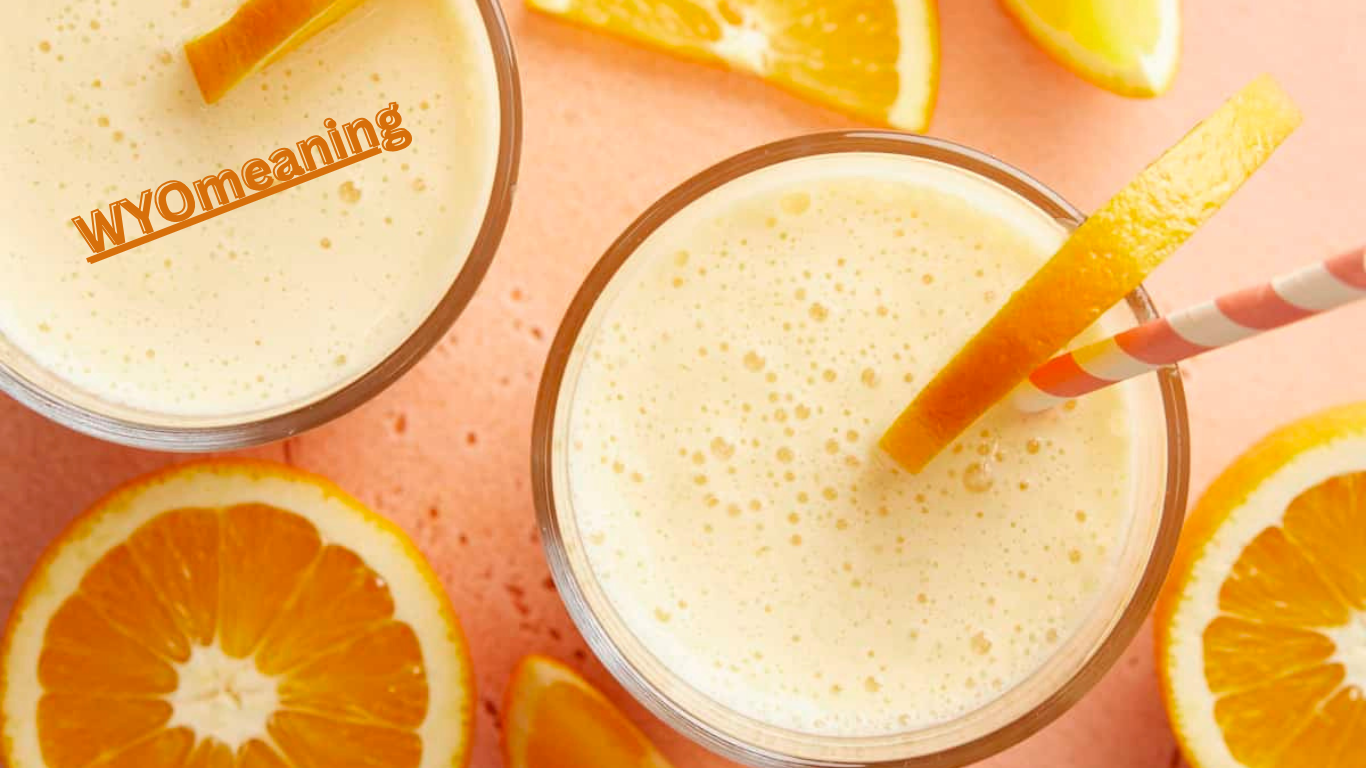
Few drinks capture the spirit of mid-century American leisure quite like the Orange Julius. That frothy, creamy orange concoction once defined shopping-mall food courts and fairground stands, delivering a taste somewhere between a milkshake and fresh citrus juice. At the heart of its enduring appeal lies the original Orange Julius recipe with egg, the version that gave the drink its signature airy texture and helped turn a simple juice stand into a national phenomenon.
Today, many home cooks and nostalgia seekers still search for that authentic preparation. While modern Dairy Queen versions and countless copycat recipes have evolved for convenience and food safety, the inclusion of egg—whether whole or in powdered form—remains central to understanding what made the original so distinctive. This feature explores the history, the recipe’s development, and why the egg mattered, drawing only on verified accounts of the drink’s origins and evolution.
Early Life and Background of the Orange Julius
The story begins in 1926 on South Broadway in downtown Los Angeles. Julius Freed, a former cigar-store owner who had relocated from Montana, opened a modest stand selling freshly squeezed orange juice. California’s booming citrus industry made the product plentiful, yet sales remained sluggish. The juice’s sharp acidity put many customers off.
Enter Willard “Bill” Hamlin, Freed’s real estate agent and a man with a background in chemistry plus a sensitive stomach. Hamlin found the plain juice hard to tolerate and began experimenting. He developed a powdered formula—reportedly involving milk powder, vanilla, and egg-white components among other pure-food additives—that, when blended with orange juice, sugar syrup and crushed ice, produced a smoother, less acidic and distinctly frothy drink. Customers quickly took notice. Lines formed, and people began calling out for “an orange, Julius.” The name stuck, and the stand’s daily takings rose sharply from around twenty dollars to more than a hundred.
By the late 1920s the partners, joined by contractor William Larkin, had formalised the business. Stands appeared across the United States, and the drink’s reputation spread through fairs and independent outlets. The original preparation relied on fresh-squeezed juice rather than concentrate, and the secret powders delivered both flavour balance and that characteristic foam. Early accounts and recollections from later employees confirm that a raw egg could be added on request for extra protein and volume, a practice that continued in some locations into the later decades of the twentieth century.
Career and Rise to Fame
The Orange Julius recipe with egg—or more precisely the version incorporating egg whites or whole egg—became the brand’s defining product. During the 1950s and 1960s the drink appeared at state fairs, standalone stands and, increasingly, shopping centres. It was named the official beverage of the 1964 New York World’s Fair, cementing its place in popular culture.
Expansion continued under successive ownership. In 1967 Hamlin sold the company; by 1987 it had become a fully owned subsidiary of International Dairy Queen. The red-and-white stands and the familiar slogan “A Devilish Good Drink” (complete with a playful devil logo in earlier years) became fixtures of American retail. Collaborations were less about celebrity endorsements and more about consistent presence in high-traffic locations, where the whir of the blender and the sight of the frothy orange liquid drew steady custom.
Public reputation rested on reliability and nostalgia. Generations associated the drink with Saturday shopping trips, summer fairs and a particular kind of mid-century optimism. The recipe itself remained a closely guarded commercial secret, though former employees and food writers have pieced together reliable approximations: orange juice or concentrate, milk or milk powder, sugar or simple syrup, vanilla, ice, and the crucial egg component for emulsion and foam.
Personal Challenges or Turning Points
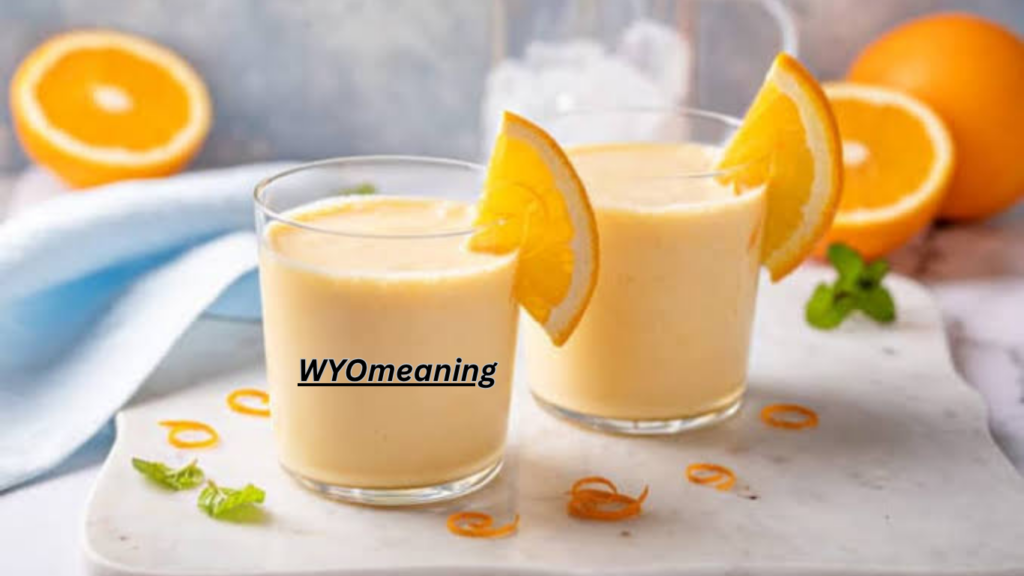
One clear turning point involved food-safety concerns. Raw eggs, once offered as an optional add-in and present in some early formulations, carried a recognised risk of salmonella. By the 1980s the company had moved away from liquid egg toward powdered egg whites. This change preserved the frothy texture while addressing public-health expectations. Home recreations today almost universally recommend pasteurised eggs or egg-white powder for the same reason.
Commercial pressures also shaped the recipe. Fresh-squeezed juice gave way to frozen concentrate for consistency and cost across a national chain. Secret powder blends evolved, and some former workers recalled ingredients resembling instant vanilla pudding mix or cream of tartar in later years. These adaptations kept the drink commercially viable without abandoning its core identity. The brand weathered ownership changes and shifting retail landscapes, remaining available primarily through Dairy Queen outlets.
Personal Life
As a commercial product rather than a person, the Orange Julius has no private relationships or family life to record. Its “personal” dimension exists instead in the public memory of those who grew up with it. Countless recollections describe the ritual of watching an egg cracked into the blender or the satisfaction of that first sip of foam. Public statements from the company have focused on heritage and the continued availability of the signature drink rather than personal narratives.
Later Career and Current Activities
Under Dairy Queen ownership the Orange Julius remains on the menu at many locations, though the precise commercial formula is proprietary. Home cooks continue to experiment with versions that restore the original Orange Julius recipe with egg. Popular approaches use pasteurised whole eggs or egg-white powder alongside orange-juice concentrate, milk, sugar, vanilla and ice. Some favour fresh-squeezed juice and simple syrup for a closer approximation of the 1920s drink. Others incorporate milk powder or a touch of pudding mix to echo the secret powders described by early employees.
The brand occasionally appears in limited-time promotions and nostalgia-driven marketing. No major independent charity work or advocacy campaigns are publicly associated with the drink itself, yet its cultural footprint endures through recipe blogs, social-media recreations and the simple pleasure of blending a glass at home.
Quick Bio
| Detail | Information |
|---|---|
| Full Name | Orange Julius |
| Date of Birth | 1926 (first stand); 1929 (signature drink) |
| Place of Birth | Los Angeles, California |
| Nationality | American |
| Profession | Beverage / fast-food brand |
| Years Active | 1926–present |
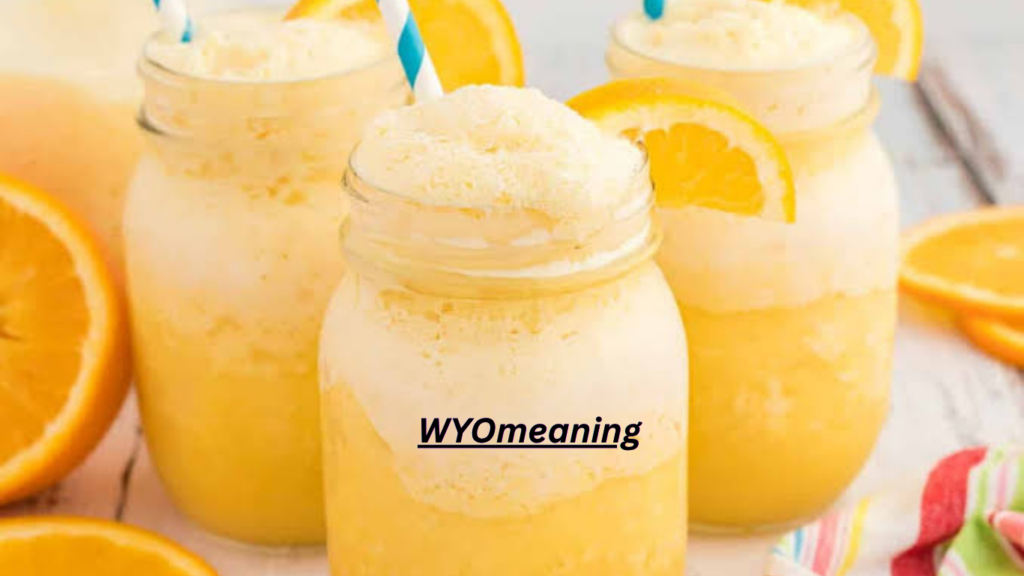
| Known For | Frothy orange drink, often with egg component |
| Estimated Net Worth | Not publicly disclosed (subsidiary of Dairy Queen) |
Legacy and Lasting Impact
The original Orange Julius recipe with egg helped pioneer the idea of a blended, frothy fruit drink long before the modern smoothie boom. Its influence can be seen in every high-speed blender drink that aims for volume and creaminess without heavy dairy. The egg—whether liquid or powdered—provided the protein structure that stabilised the foam, a technique still used by bartenders and home cooks seeking light texture.
Public perception remains affectionate and nostalgic. For many, the drink represents a simpler commercial era and the small pleasure of a consistent, cheerful product. Lessons from its history include the value of iterative improvement (Hamlin’s adjustment for acidity), the importance of adapting to safety standards, and the power of a memorable name and texture to outlast changing ownership.
Conclusion
From a struggling juice stand on a Los Angeles street to a fixture of American retail, the Orange Julius has survived nearly a century by balancing innovation with fidelity to its frothy roots. The original Orange Julius recipe with egg stands as a reminder that a single thoughtful adjustment—making the juice gentler and more luxurious—can create something far more memorable than the sum of its parts.
Whether you choose a pasteurised egg for authenticity or prefer a powder-based version for convenience, recreating the drink at home offers a direct link to that 1920s experiment. What do you find most interesting about the original Orange Julius recipe with egg? Share your thoughts in the comments below. If you enjoyed this article, consider sharing it with others who appreciate inspiring stories of everyday inventions and the drinks that became cultural landmarks.



Leave a Reply