
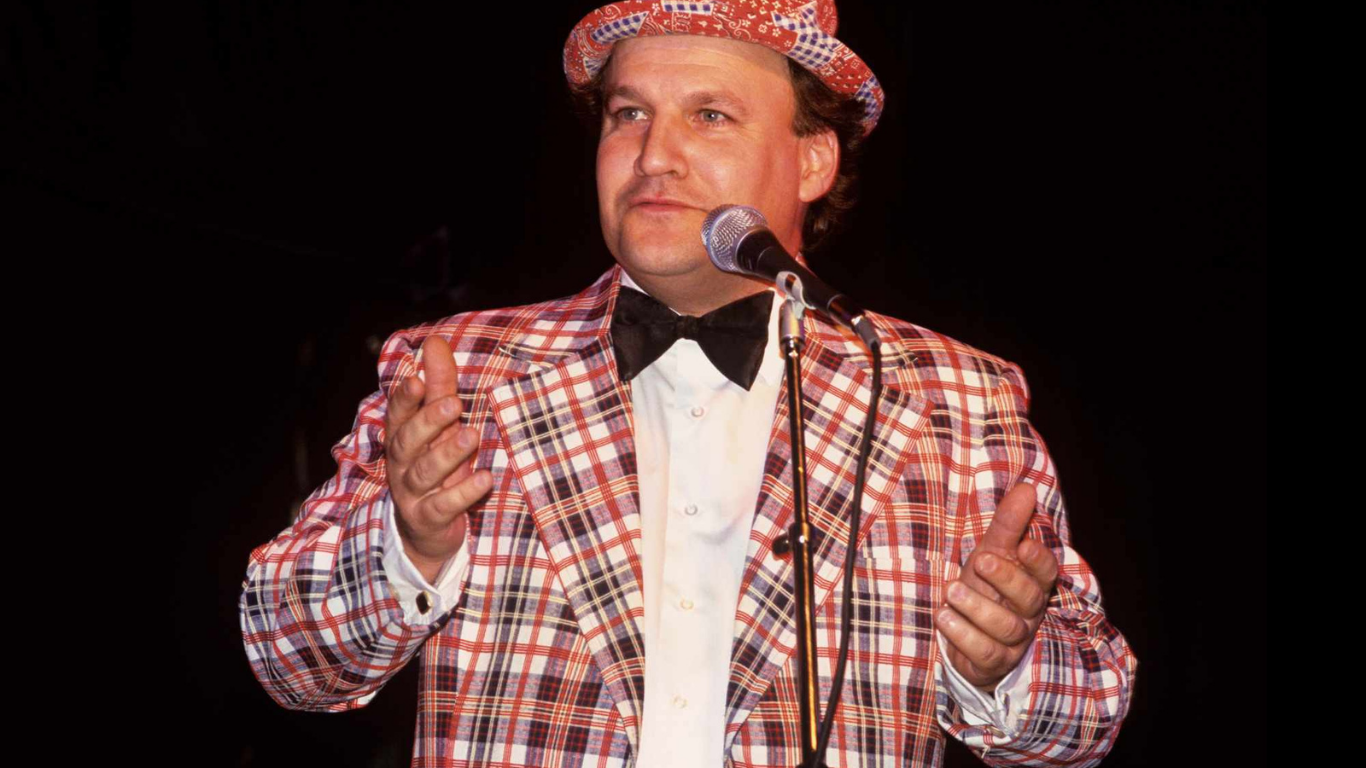
Floyd Vivino, affectionately known to generations as Uncle Floyd, carved out a unique place in American entertainment as a television host, musician, comedian, and stage performer whose low-budget charm captivated audiences for decades. Born in New Jersey and deeply rooted in its cultural landscape, Vivino became a regional icon through his long-running The Uncle Floyd Show, a programme that blended childlike whimsy with sharp, adult-leaning humour. Even after his passing in January 2026, interest in Floyd Vivino remains strong among fans who cherish his authentic, DIY approach to entertainment.
What set Vivino apart was his ability to create something genuinely original on a shoestring budget. His show, which aired for nearly 25 years, attracted an unlikely mix of celebrity fans including David Bowie and John Lennon, while nurturing local talent and building a devoted following. In an era of polished studio productions, Floyd Vivino proved that personality, creativity, and community could sustain a career that spanned television, radio, music, and live performance.
Early Life and Background
Floyd Vivino was born Florio Vivino on 19 October 1951 in Paterson, New Jersey, into a family with strong musical and performing arts traditions. His father, Jerry Vivino Sr., was a jazz trumpeter, and his grandfather had been a theatrical actor in Italy. This creative environment profoundly shaped young Floyd.
He grew up across several northern New Jersey towns, including Paterson, Point Pleasant, Island Heights, and Glen Rock. At Glen Rock High School, Vivino demonstrated early entrepreneurial flair by producing a musical revue that starred the school’s janitorial staff. His performance roots ran deep: as a child, he worked as a tap dancer in Atlantic City and began experimenting with broadcasting over a friend’s pirate radio station during his school years.
The Vivino family was musical through and through. Floyd was the older brother of Jerry Vivino and Jimmy Vivino, both accomplished musicians who later played in notable bands, including the Basic Cable Band (formerly the Max Weinberg 7). This familial support and shared passion for performance provided a strong foundation for his future career.
Career and Rise to Fame
Floyd Vivino’s professional journey began in earnest in the early 1970s. The Uncle Floyd Show debuted on 29 January 1974 on UA-Columbia Cable TV in New Jersey. What started as a local cable programme evolved into a cult phenomenon that ran, in various forms and on different stations, until 1998, producing thousands of episodes.
The show parodied traditional children’s television with deliberately odd, improvised sketches, puppetry, audience participation, and Vivino’s signature piano performances. Characters like the puppet Oogie added to its surreal appeal. It featured an impressive array of musical guests, from local acts such as The Smithereens to stars including Jon Bon Jovi (in one of his first TV appearances), Cyndi Lauper, Paul Simon, The Ramones, and many others.
At its height, the Uncle Floyd Show fan club boasted 13,000 members. The programme briefly achieved wider syndication in the early 1980s, appearing in markets including New York, Philadelphia, Chicago, and Boston. Its homespun quality resonated deeply, particularly in the New York-New Jersey area, where it became a cultural touchstone.
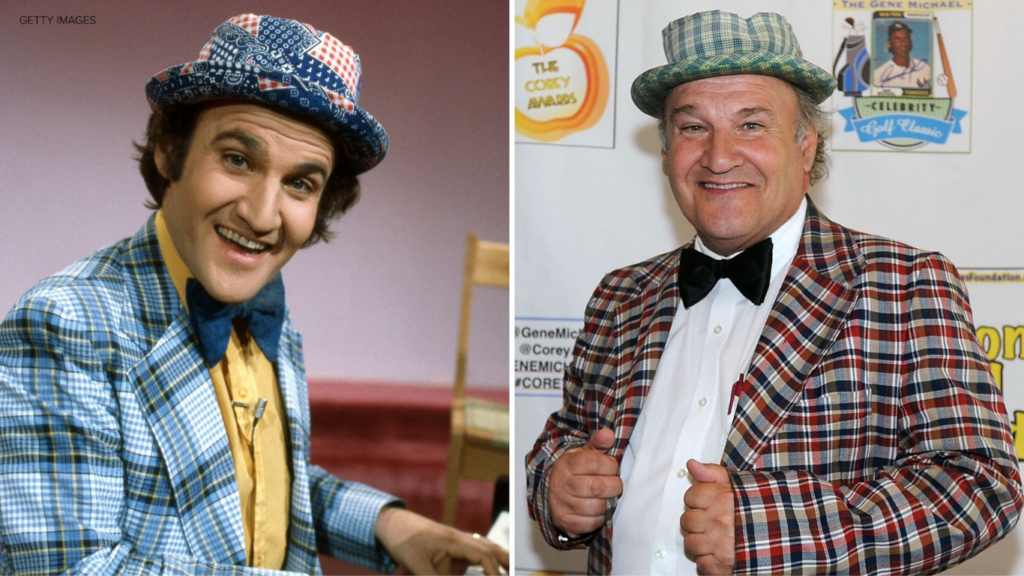
Beyond television, Vivino built a multifaceted career. He hosted radio programmes such as The Italian-American Serenade and later Uncle Floyd’s Garage Sale Music, sharing his vast record collection. He also acted in films like Good Morning, Vietnam and Mr. Wonderful, and appeared on television series including Law & Order.
Personal Challenges and Turning Points
Like many long careers in entertainment, Floyd Vivino faced his share of setbacks. The Uncle Floyd Show navigated frequent changes in stations and formats, from cable to UHF to public broadcasting and back, reflecting the precarious nature of local media. Production ended multiple t He continued to engage with fans and work where possible, demonstrating resilience until his death on 22 January 2026 in Hackensack, New Jersey, at the age of 74, from complications related to the stroke following a two-and-a-half-year battle with health issues.
These experiences highlighted Vivino’s commitment to his craft and community, even as personal and professional hurdles tested him.
Personal Life
Floyd Vivino was married and divorced three times. He had five children: a daughter and two sons from his second marriage, and three sons from his third. Family remained central to his life, and he often spoke warmly of their support. He was also the uncle of Broadway performer Donna Vivino.
Vivino kept much of his personal life private, focusing public attention on his work and Italian-American heritage, which he celebrated through music, writing, and community events.
Later Career and Current Activities
Even after The Uncle Floyd Show concluded its primary run, Vivino remained active. He hosted internet radio programmes, wrote a weekly column on Italian-American topics for the Italian Tribune, and served as master of ceremonies for its Columbus Gala. He operated Uncle Floyd’s Restaurant briefly in the early 2000s and continued live performances.
In 2009 and 2017, he ran as a write-in candidate for Governor of New Jersey, adding a playful political dimension to his public persona. His later years included tributes in documentaries like Flipside and ongoing appreciation from musicians and fans.
Quick Bio
| Detail | Information |
|---|---|
| Full Name | Floyd Vivino (born Florio Vivino) |
| Date of Birth | 19 October 1951 |
| Place of Birth | Paterson, New Jersey, USA |
| Nationality | American |
| Profession | TV & radio host, musician, actor, comedian |
| Years Active | 1974–2026 |
| Known For | The Uncle Floyd Show, piano performances, cult following |
| Estimated Net Worth | Not publicly confirmed |
Legacy and Lasting Impact
Floyd Vivino’s influence extends far beyond the screen. His show inspired a generation of performers and proved that authentic, community-driven entertainment could thrive. David Bowie’s tribute song “Slip Away” on the 2002 album Heathen immortalised Uncle Floyd and his puppets for a global audience, introducing him to new fans.
Vivino embodied the spirit of independent creativity in local media. His emphasis on Italian-American culture, live performance, and joyful absurdity left an indelible mark on New Jersey’s cultural identity. He showed that success need not follow conventional paths and that connection with audiences matters most.
Conclusion
The story of Floyd Vivino is one of passion, perseverance, and genuine connection. From humble beginnings in New Jersey to becoming a beloved figure whose work touched celebrities and everyday viewers alike, he created a body of work defined by warmth and originality. Though he is no longer with us, the spirit of Uncle Floyd lives on in the memories of fans and the enduring appeal of his unconventional career.

Leave a Reply