
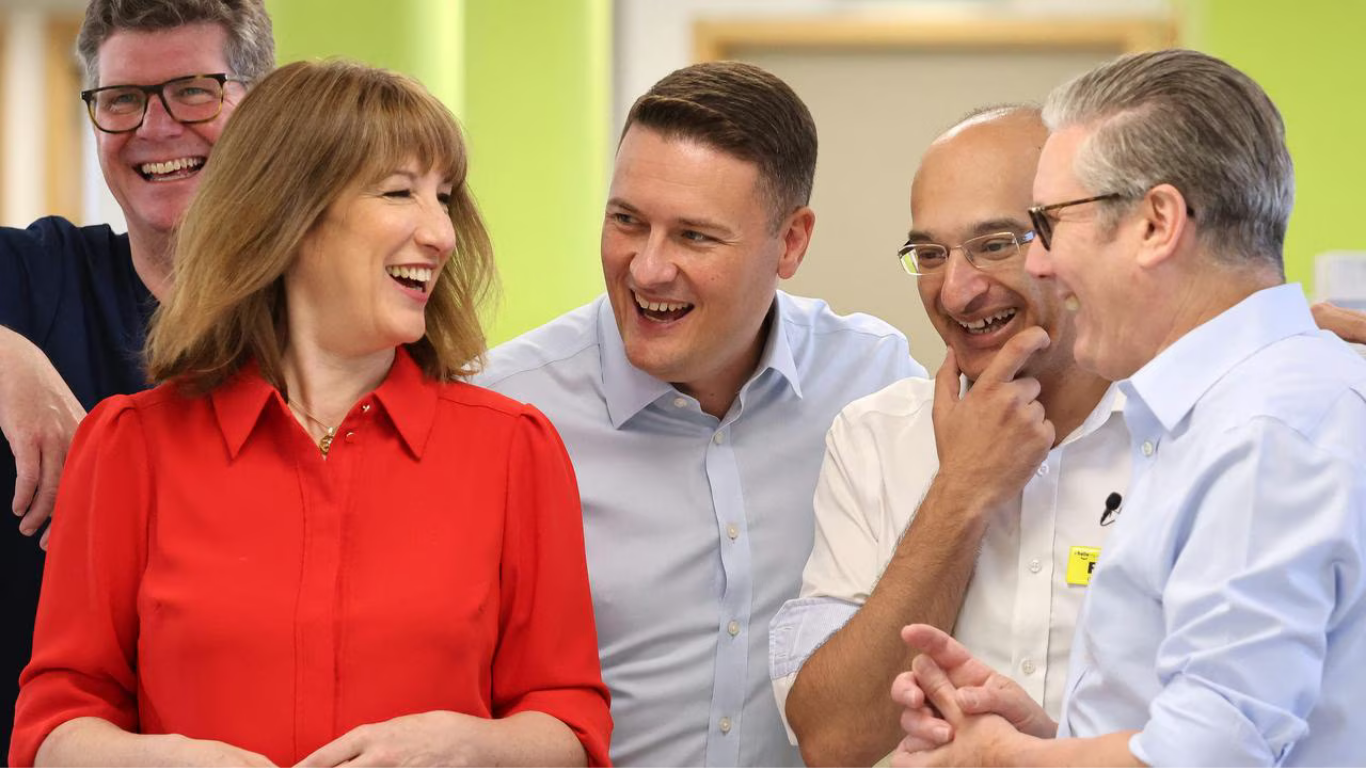
Rachel Reeves has long projected an image of steely competence. As the UK’s first female Chancellor of the Exchequer, she built a public persona around fiscal discipline, careful preparation and economic expertise. Yet in July 2025, cameras in the House of Commons captured a different side of her. During Prime Minister’s Questions, tears rolled down her cheeks for much of the session while she sat beside Keir Starmer. The moment, widely shared and debated, became known simply as Rachel Reeves crying.
The images surprised many. Reeves has never been one for public displays of vulnerability. Her team described the tears as stemming from a personal matter on a tough day. Speculation about political pressure circulated, but she and the Prime Minister insisted the emotion was not political. Later she called the episode her toughest moment in the job, noting that the only difference between her experience and that of many others was that the cameras were rolling. The event briefly unsettled markets before Starmer publicly reaffirmed her position. It also humanised a figure often viewed through the lens of spreadsheets and fiscal rules.
Interest in Rachel Reeves crying endures because it revealed the person behind the office. Readers remain drawn to her story for the same reasons they follow any high-stakes public career: the blend of ambition, resilience and ordinary human limits.
Early Life and Background
Rachel Jane Reeves was born on 13 February 1979 in Lewisham, south-east London. Her parents, Graham and Sally, both worked as primary school teachers. The family placed a strong emphasis on education. When Reeves was seven her parents divorced, and she and her younger sister Ellie were raised between two homes. The sisters spent school holidays with their grandparents in a council maisonette in Kettering.
Reeves attended Cator Park School for Girls, a comprehensive in Beckenham. She has described herself as a “swot” who spent lunchtimes working through practice papers and thrived on academic challenge. At school she excelled at chess, a game her father taught her at the age of seven.
She achieved A-levels in mathematics, further mathematics, economics and politics. She then studied Philosophy, Politics and Economics at New College, Oxford, graduating with a 2:1, before completing a master’s degree in economics at the London School of Economics. Politics entered her life early. She joined the Labour Party at 16, influenced by her father’s support for the party and memories of watching Neil Kinnock on television.
After university she chose a practical career path rather than moving straight into politics. She joined the Bank of England on its graduate scheme in 2000, working as an economist and later taking a secondment to the British Embassy in Washington. She also spent time at HBOS in Leeds. These years gave her direct experience of financial institutions before she turned fully to elected office.
Career and Rise to Fame
Reeves first stood for Parliament in 2005 in the safe Conservative seat of Bromley and Chislehurst. She was elected in 2010 as MP for Leeds West, becoming one of the few women to represent a Leeds constituency. Boundary changes later saw her represent Leeds West and Pudsey. She quickly rose through the opposition ranks, holding shadow roles in work and pensions, the Treasury and other economic briefs.
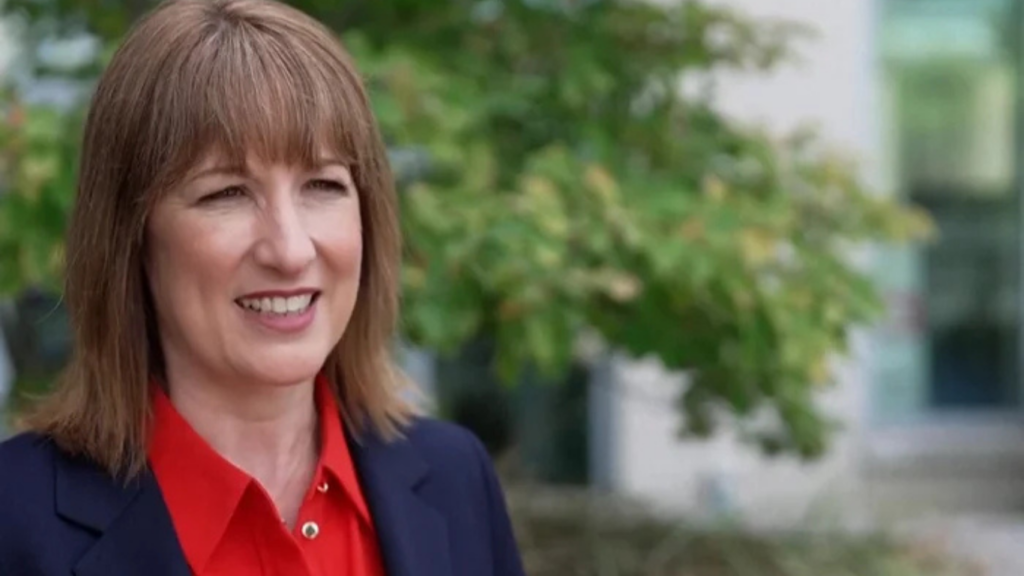
Her reputation grew as a serious, detail-oriented voice on economic policy. Colleagues and observers noted her methodical style and focus on fiscal credibility. When Labour won the 2024 general election she was appointed Chancellor of the Exchequer, the first woman to hold the post in its long history. The appointment marked a historic milestone. She has framed her approach around “securonomics” and efforts to restore economic stability after years of volatility.
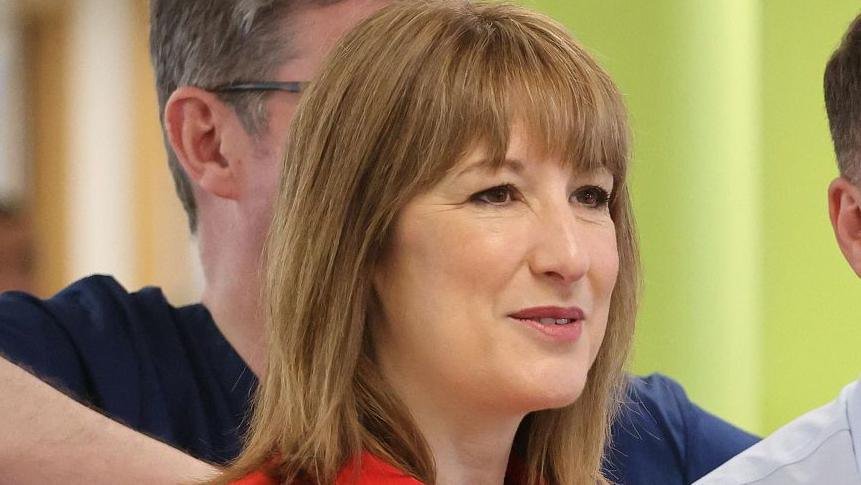
Recognition has come through her senior roles and the historic nature of her appointment rather than a long list of personal awards. Collaborations with the Prime Minister and other Cabinet colleagues have been central to her work. Publicly she is often described as the “Iron Chancellor,” a label that reflects both her preferred image and the intensity of the economic challenges she has faced.
Personal Challenges or Turning Points
The most visible personal challenge came on 2 July 2025. During Prime Minister’s Questions, Reeves was seen wiping away tears for a sustained period. The session followed a difficult period for the government involving a welfare reform U-turn that created a significant hole in public finances. Her spokesperson stated she was dealing with a personal matter. Starmer later said he had been so focused on answering questions that he did not notice her distress at the time.
Markets reacted to the images and the uncertainty they created about her future. Bond yields rose and the pound came under pressure. Starmer moved quickly to give her full public backing, stating she would remain Chancellor for a very long time. Reeves herself later described the episode as her toughest moment, saying she would not apologise for crying but might choose to stay in her office on a similar day in future. She has repeatedly framed it as a human reaction that happened to occur under the gaze of national television.
Other challenges have been more conventional for a senior politician: the pressure of balancing a high-profile role with family life, the scrutiny that accompanies any major economic decision, and the long years in opposition before gaining power. She has spoken of returning to work five months after the birth of her first child while still in the shadow cabinet, highlighting the practical difficulties of combining motherhood with politics. There is no public evidence of career-ending setbacks; instead her path shows steady progression and the ability to recover from public difficulty.
Personal Life
Reeves is married to Nicholas Joicey, a senior civil servant who has held roles including Second Permanent Secretary at the Department for Environment, Food and Rural Affairs. The couple met while she was working in Washington. They have two children: a daughter, Anna, born in 2013, and a son, Harold, born in 2015. Reeves has spoken about the support she receives from her husband and extended family, and about the ordinary challenges of being a working parent in public life. Her sister Ellie is also a Labour MP and has served in government, making them the first sisters to sit together around the Cabinet table.
She keeps family details largely private and has avoided detailed public discussion of personal matters beyond what is necessary. Public statements about her tears emphasised a personal issue without further elaboration, and no reliable sources have confirmed additional private details.
Later Career and Current Activities
As Chancellor since July 2024, Reeves has overseen major fiscal statements, economic strategy and efforts to attract investment. She has continued to appear at public events, parliamentary sessions and international meetings. After the 2025 tears incident she returned quickly to duty, appearing alongside the Prime Minister the following day to launch a ten-year NHS plan. She has given interviews reflecting on the episode with measured candour, stressing that tough days happen to everyone and that she remains committed to the job.
Charity work and formal business ventures outside politics are not prominent in public records. Her advocacy centres on economic policy, opportunities for women and young people from ordinary backgrounds, and the importance of fiscal responsibility. She continues to represent her Leeds constituents while carrying national responsibilities.
Quick Bio
| Detail | Information |
|---|---|
| Full Name | Rachel Jane Reeves |
| Date of Birth | 13 February 1979 |
| Place of Birth | Lewisham, London |
| Nationality | British |
| Profession | Politician, economist; Chancellor of the Exchequer |
| Years Active | 2010–present (Parliament) |
| Known For | First female Chancellor of the Exchequer; Rachel Reeves crying incident in 2025 |
| Estimated Net Worth | Public estimates vary; primarily from parliamentary and ministerial salaries plus property |
Legacy and Lasting Impact
Rachel Reeves remains significant as the first woman to hold the office of Chancellor. Her career demonstrates the value of technical expertise combined with political persistence. The 2025 episode of Rachel Reeves crying has added a layer to public understanding: even those who project strength experience moments of overwhelm, and those moments do not necessarily define their competence. Public perception still centres on her economic role, yet the tears introduced a more rounded view of the pressures of high office.
Her influence lies in normalising women at the highest levels of economic decision-making and in modelling a measured response to personal difficulty under intense scrutiny. The lesson from her path is less about perfection than about continuity: returning to work, accepting support, and carrying on.
conclusion
Rachel Reeves crying was a brief, widely observed moment in a long career. It neither diminished her record nor elevated her beyond the realities of the job. What endures is the combination of preparation, historic achievement and the simple reminder that public figures remain human.




Leave a Reply