
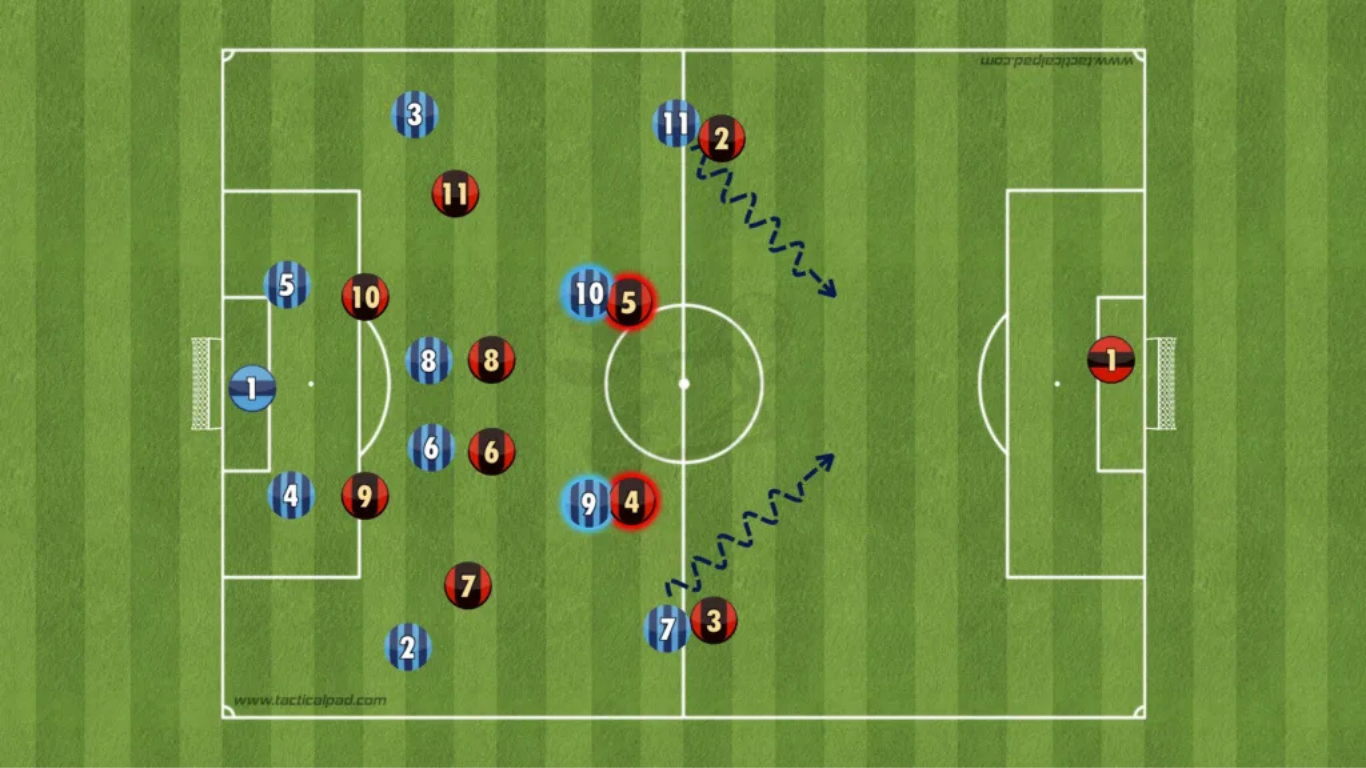
Roberto De Zerbi has carved out a reputation as one of football’s most inventive managers through his signature de zerbi tactics. These strategies fuse high possession with purposeful movement, turning build-up play into a weapon rather than a chore. From elevating Sassuolo in Serie A to securing European qualification at Brighton and reshaping Marseille in Ligue 1, De Zerbi’s methods have consistently produced stylish, proactive football. His emphasis on baiting opponents and creating space rewards technical players who think quickly on the ball. For fans and students of the game, de zerbi tactics offer a masterclass in balancing control with creativity in today’s fast-paced sport.
The Origins and Evolution of De Zerbi Tactics
De Zerbi first gained attention at Sassuolo by installing a possession-heavy style that punched above the club’s weight in Italy’s top flight. He carried forward ideas inspired by elite coaches but added his own twist of deliberate risk-taking in deep areas. Spells at Shakhtar Donetsk and Brighton refined his press-baiting concepts under varying conditions, while his 2024 move to Marseille introduced new formations suited to French football’s intensity. Across these chapters, de zerbi tactics have evolved without losing their identity of controlled aggression and spatial mastery. This progression shows a coach who adapts principles to squad strengths while keeping the core philosophy intact.
Core Principles Underlying De Zerbi Tactics
Central to de zerbi tactics is the idea that possession should provoke rather than merely protect. Teams use short, square passes to lure opponents forward, creating gaps behind the press for quick progression. This “artificial transition” turns defensive pressure into attacking momentum without relying on risky long balls. Rotations and third-man combinations ensure constant options, while players are given freedom within structure to solve problems creatively. The result is football that feels both calculated and spontaneous, minimizing duels and maximizing control through intelligence and timing.
Mastering the Build-Up Phase
De Zerbi tactics shine brightest during build-up from the goalkeeper. The keeper steps up to create numerical superiority, while centre-backs play square passes to invite pressure deliberately. A double pivot anchors the midfield, offering safe outlets and diagonal lanes to break lines. Wing-backs stretch the pitch, and subtle movements create passing triangles that bypass pressing blocks. This patient yet explosive phase turns potential traps into launchpads, allowing seamless entry into the opposition half with players already in advanced positions. Tempo and rhythm remain crucial, ensuring every touch serves a clear purpose.
Attacking Strategies and Positional Fluidity
Once inside the final third, de zerbi tactics unleash fluid rotations that confuse markers. Players occupy half-spaces and wide channels simultaneously, shifting between 3-2-5 or 3-1-6 shapes depending on the moment. Quick one-touch combinations and S-shaped passes slice through defensive lines, while attackers drop deep or make overlapping runs to create overloads. This positional chess keeps opponents guessing and generates high-quality chances from multiple angles. The emphasis on intelligent movement rather than fixed roles allows creative players to thrive while maintaining team cohesion.
Defensive Structure and Pressing Intensity
De Zerbi tactics pair attacking flair with an organised high press that regains the ball quickly. Compact blocks trigger coordinated surges to disrupt opponent build-up, with full-backs and midfielders covering key lanes aggressively. Counter-pressing starts the moment possession is lost, aiming to win the ball in dangerous areas. This defensive intensity complements the possession game by preventing easy transitions against his side. Adjustments at different clubs prove the system’s flexibility, balancing aggression with structural discipline to suit available personnel.
Formations, Player Roles, and Club-Specific Adaptations
While a 4-2-3-1 often serves as the base, De Zerbi frequently shifts to 3-4-3 setups that empower wing-backs and create central overloads. Centre-backs must be ball-playing and brave, midfield pivots provide stability and vision, and attackers enjoy freedom to rotate. At Brighton the focus was disciplined execution against stronger sides; at Marseille it incorporated more set-piece organisation and signals for coordination. These tweaks highlight how de zerbi tactics remain effective by prioritising player profiles and competition demands over rigid templates.
FAQs
What makes de zerbi tactics unique in modern football?
De Zerbi tactics stand apart by creating counter-attacking opportunities while already in possession. Instead of chasing turnovers through risky presses, his teams bait opponents forward and exploit the spaces left behind. This proactive control combined with fluid rotations delivers entertaining, high-possession football that feels both strategic and exciting.
How do formations change under De Zerbi?
Base systems like 4-2-3-1 give way to dynamic 3-2-5 or 3-1-6 shapes in possession. These shifts create numerical advantages and open passing lanes, adapting to the opponent’s press while keeping the team compact out of possession.
Why is build-up play so important in de zerbi tactics?
Build-up is the foundation because it deliberately invites pressure to create exploitable gaps. Short passes and rotations ensure safe progression, turning defensive zones into launching pads for attacks without long, hopeful balls.
What challenges have de zerbi tactics faced recently?
At Marseille, despite early improvements in style, inconsistent results and heavy defeats highlighted the difficulty of implementing complex patterns quickly. Adaptation timelines sometimes clashed with immediate demands, showing that even proven methods require patience and the right squad fit.
Conclusion
De zerbi tactics showcase how possession, pressing, and positional intelligence can combine into a cohesive, exciting style of play. Roberto De Zerbi’s journey across clubs demonstrates the power of adaptable principles that reward technical skill and collective understanding. As football continues to evolve, these ideas remain influential, offering coaches and fans alike a blueprint for dominance through creativity rather than brute force. Ultimately, de zerbi tactics remind us that the beautiful game thrives when intelligence meets courage on the pitch.











Leave a Reply