
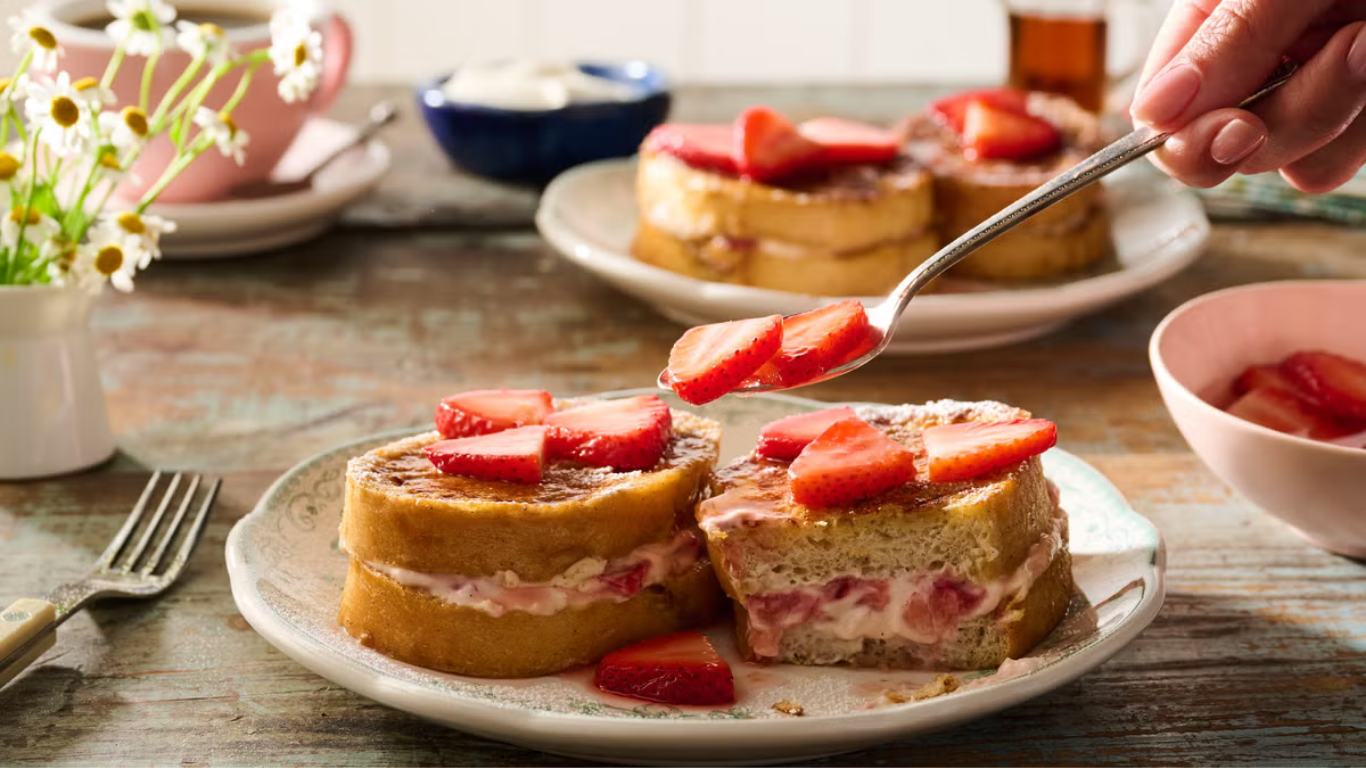
Few breakfast dishes manage to feel both comforting and indulgent in equal measure. Stuffed French toast sits firmly in that category. Thick slices of bread sandwich a creamy or fruity filling, then receive a bath in spiced egg custard before sizzling in butter until golden. The result is crisp on the outside, soft and yielding within, with a hidden centre that turns an everyday classic into something special.
Readers keep returning to stuffed French toast because it delivers familiar flavours with an element of surprise. Whether served at a busy café, prepared for a weekend family brunch or adapted for dietary preferences, the dish offers endless scope for personal touches while remaining reassuringly simple at its core. Its popularity shows no sign of fading, thanks to social-media-friendly presentations and the pure pleasure of that first bite.
Early Life and Background
The story of stuffed French toast begins long before the modern version appeared on brunch menus. Ordinary French toast itself has ancient origins. The earliest known written recipe appears in the Roman collection Apicius, dating from the fourth or fifth century. There the dish is called aliter dulcia – “another sweet dish”. Cooks were instructed to soak crustless white bread in milk and beaten eggs, fry it in oil and finish it with honey.
Similar preparations travelled across Europe. In medieval Germany and England it was known as arme Ritter or “poor knights”. France developed pain perdu, or “lost bread”, a thrifty way to revive stale loaves. By the seventeenth century the English-language term “French toast” had entered print, though the precise reason for the French association remains unclear. One persistent (if unverified) American legend credits an Albany innkeeper named Joseph French in 1724, whose intended “French’s toast” supposedly lost its apostrophe.
Stuffing the toast is a later refinement. While classic French toast relies on the custard-soaked bread alone, cooks eventually began sandwiching fillings between two slices or creating pockets within a single thick piece. Cream cheese, fruit preserves, chocolate spreads and savoury options all found their way inside. The idea appears to have gained traction in American diners and cafés during the late twentieth century, when brunch culture encouraged more theatrical breakfast plates. Home cooks and professional chefs alike recognised that a filling added richness and variety without complicating the basic method.
Career and Rise to Fame
Stuffed French toast rose to wider notice as weekend brunch became a social ritual. Restaurants discovered that the dish photographed well and satisfied diners seeking something beyond scrambled eggs. Thick-cut brioche, challah or day-old French bread proved ideal vehicles. A sweetened cream-cheese mixture, often lightened with a little sugar or vanilla, became the most common filling, sometimes joined by sliced strawberries, bananas or a swirl of jam.
Major milestones include the proliferation of recipes in popular cookbooks and magazines from the 1990s onward. Television cooking shows further spread the technique, demonstrating how to create neat pockets or simply spread filling between two slices before dipping. Collaborations between food brands and influencers later accelerated visibility: hazelnut spreads, fruit purees and specialty breads all received the stuffed-French-toast treatment.
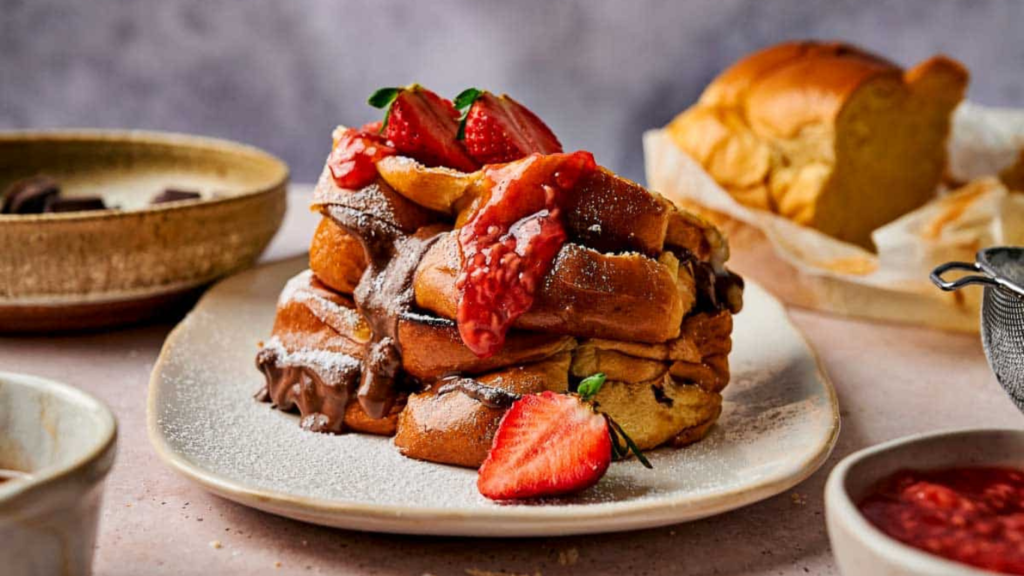
Public reputation rests on its dual nature. It feels luxurious yet remains achievable in an ordinary kitchen. Many diners associate it with celebration – Mother’s Day, birthdays or leisurely Sundays – while others treat it as an elevated everyday treat. Awards are rare for individual recipes, yet the dish consistently ranks among the most-requested brunch items in surveys of café menus across Britain, North America and beyond.
Personal Challenges or Turning Points
Like any popular dish, stuffed French toast has faced practical hurdles. The chief difficulty is moisture control. Too much filling or an overly wet custard can leave the interior soggy and the exterior pale. Bread that is too fresh collapses; bread that is too stale refuses to absorb the egg mixture evenly. Cooks have learned to favour slightly stale, sturdy loaves and to drain excess custard carefully before frying.
Career setbacks for the concept itself are hard to identify, yet trends have shifted. Periods of low-carbohydrate enthusiasm temporarily reduced demand for bread-based breakfasts. In response, creative cooks developed gluten-free versions using alternative flours or inventive fillings that kept interest alive. Major life events for the dish arrived with the rise of home baking during lockdown periods, when many people experimented with restaurant-style recipes in their own kitchens. The result was a surge of shared photographs and refined techniques that improved overall reliability.
Resilience has come through adaptability. Savory iterations – smoked salmon with soft cheese, ham and cheddar, or mushroom and herb – expanded the audience beyond those seeking sweetness. Vegan adaptations using plant-based milks, aquafaba and dairy-free cream cheeses demonstrated that the format could evolve with changing tastes.
Personal Life
Publicly confirmed details about stuffed French toast centre on its domestic role rather than any single originator. Families and friends frequently cite it as a shared ritual: the person at the stove dipping sandwiches while others set the table with maple syrup, fresh berries and a dusting of icing sugar. Restaurant versions often appear on weekend menus, while home cooks favour make-ahead options in which the assembled sandwiches rest in the refrigerator overnight.
No formal marriages or children attach to the dish, of course, yet it occupies a warm place in household routines. Many recipes note that children enjoy helping to spread the filling or choose their preferred fruit. Public statements from chefs emphasise accessibility: good results require no special equipment beyond a frying pan and a shallow dish for the custard.
Later Career and Current Activities
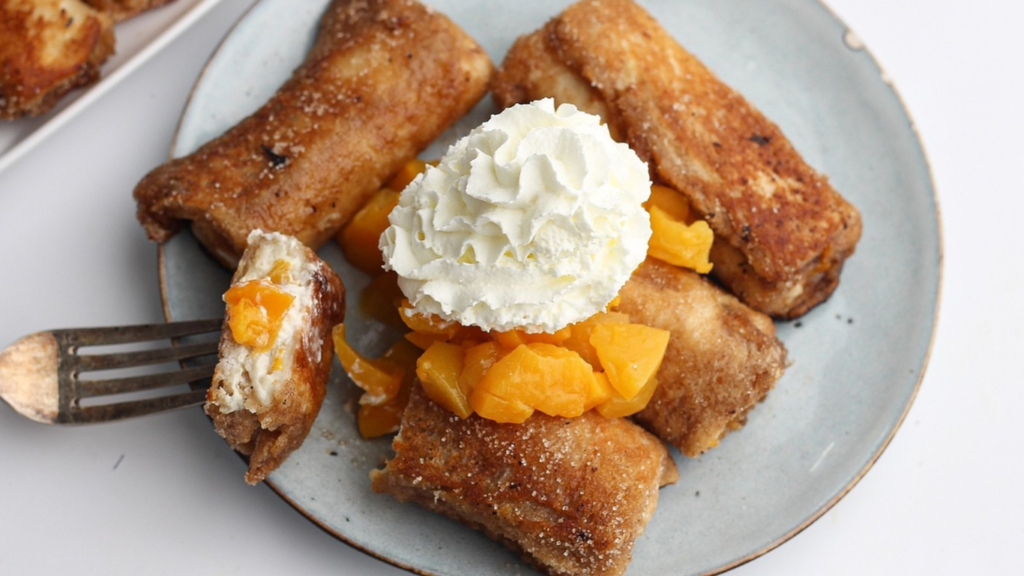
In recent years stuffed French toast has continued to appear on café boards and in glossy food magazines. Bakers experiment with flavoured custards – orange zest, cardamom or a splash of liqueur – while fillings range from lemon curd and mascarpone to cookie dough and red-bean paste. Social platforms showcase oven-baked casserole versions that serve a crowd without constant stove-side attention.
Charity brunches and fundraising breakfasts sometimes feature the dish as a crowd-pleaser. Business ventures around it remain modest; specialty bread companies and dairy brands occasionally release limited-edition products timed for brunch season. Advocacy is informal: food writers promote the use of leftover bread as an anti-waste measure, echoing the original thrifty spirit of pain perdu.
Professional activity continues in recipe development. Test kitchens refine methods for consistent browning and balanced sweetness, ensuring the dish stays relevant for both novice and experienced cooks.
Quick Bio
| Detail | Information |
|---|---|
| Full Name | Stuffed French Toast |
| Date of Birth | Roots in 4th–5th century Roman recipes; stuffing popularised later |
| Place of Birth | Ancient Rome (basic form); modern stuffed version largely American brunch culture |
| Nationality | International, with strong presence in English-speaking countries |
| Profession | Breakfast and brunch dish |
| Years Active | Centuries (as French toast); decades in stuffed form |
| Known For | Creamy or fruity fillings inside custard-dipped bread |
| Estimated Net Worth | Not applicable |
Legacy and Lasting Impact
Stuffed French toast remains important because it transforms humble ingredients into something memorable. Its influence on brunch menus is clear: many establishments now offer at least one elevated French-toast variation. Public perception casts it as both nostalgic and contemporary – a link to thrifty cooking traditions and a canvas for modern flavours.
Lessons from its journey include the value of resourcefulness and the pleasure of small indulgences. By starting with stale bread and ending with a golden, filled sandwich, the dish reminds cooks that everyday materials can yield extraordinary results when treated with care.
Conclusion
From Roman kitchens to contemporary brunch tables, stuffed French toast has proved remarkably durable. Its combination of crisp exterior, soft custard centre and hidden filling continues to satisfy a wide range of tastes and occasions. Whether prepared simply with cream cheese and berries or dressed up with seasonal fruit and flavoured syrups, the dish rewards attention without demanding professional skill.


Leave a Reply