
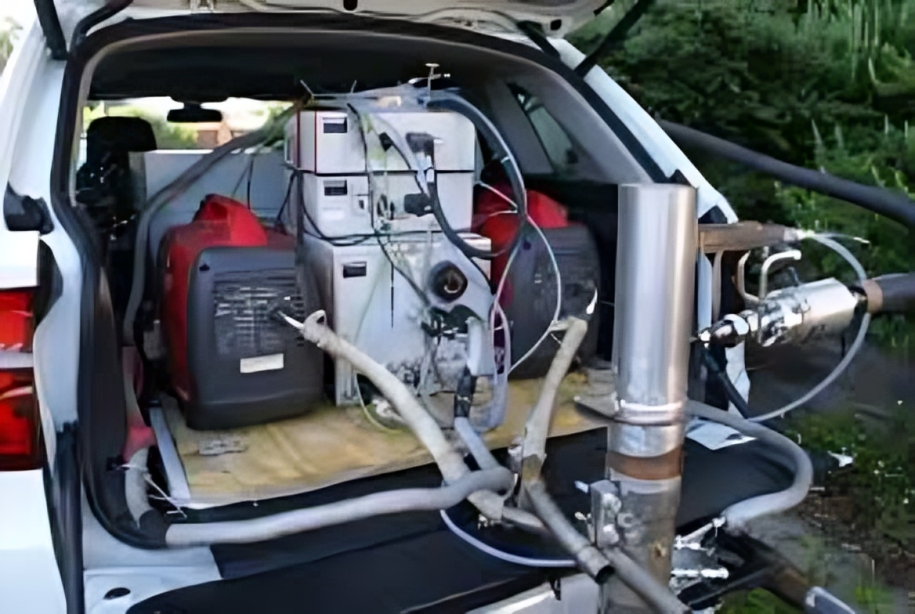
In the ever-evolving landscape of automotive engineering and environmental regulation, pems have emerged as a critical tool for capturing accurate data on vehicle emissions under real driving conditions. These systems allow engineers and regulators to move beyond controlled lab environments, providing insights that reflect how cars perform on actual roads. With growing concerns over air quality and climate change, understanding these devices is essential for anyone involved in vehicle design, testing, or policy-making.
The Evolution of Emissions Testing
Vehicle emissions testing has come a long way since the early days of stationary dynamometers in labs. Traditional methods, while reliable for standardized cycles, often failed to account for variables like traffic congestion, varying speeds, and weather. This gap became glaringly apparent in the mid-2010s, prompting a shift toward more dynamic approaches.
Portable emissions measurement systems, or pems, were initially conceptualized in the 1990s as a way to bridge this divide. Early prototypes were bulky and required significant vehicle modifications, but they laid the groundwork for what would become a regulatory staple. By the early 2000s, advancements in sensor technology and miniaturization made pems more feasible for widespread use. Regulatory bodies in Europe and the United States began incorporating them into standards, recognizing that lab tests alone couldn’t capture the full picture of pollutant output.
Today, pems are integral to real-driving emissions (RDE) protocols. For instance, in the EU’s Euro 6 standards, vehicles must undergo on-road testing with these systems to ensure compliance. This evolution wasn’t just technological; it was driven by scandals that exposed discrepancies between lab and real-world performance. Engineers now rely on pems to validate designs early in development, avoiding costly recalls and ensuring vehicles meet stringent limits on nitrogen oxides, particulate matter, and carbon monoxide.
Core Components of pems
At their heart, pems consist of several interconnected modules designed for portability and precision. The main unit typically includes gas analyzers that detect key pollutants in real time. These analyzers use techniques like non-dispersive infrared for carbon dioxide and chemiluminescence for nitrogen oxides, ensuring measurements are both accurate and responsive.
A crucial element is the exhaust flow meter, which calculates the volume of gases exiting the tailpipe. This device, often a Pitot tube or ultrasonic sensor, integrates with the analyzers to compute mass emissions rather than just concentrations. Without it, data would lack context, as emission rates vary with engine load and speed.
Power supply is another key aspect. Modern pems draw from the vehicle’s battery or include their own rechargeable units to operate independently for hours. GPS integration logs location, speed, and altitude, correlating emissions with driving conditions. Data loggers store this information at high frequencies, sometimes up to 10 Hz, allowing for detailed post-analysis.
Weather sensors round out the setup, monitoring ambient temperature, humidity, and pressure—factors that influence engine behavior and emission formation. All these components must be rugged enough to withstand vibrations, heat, and road debris, yet lightweight to minimize impact on vehicle dynamics. A typical pems weighs around 15-30 kilograms, a far cry from the 100+ kg behemoths of the past.
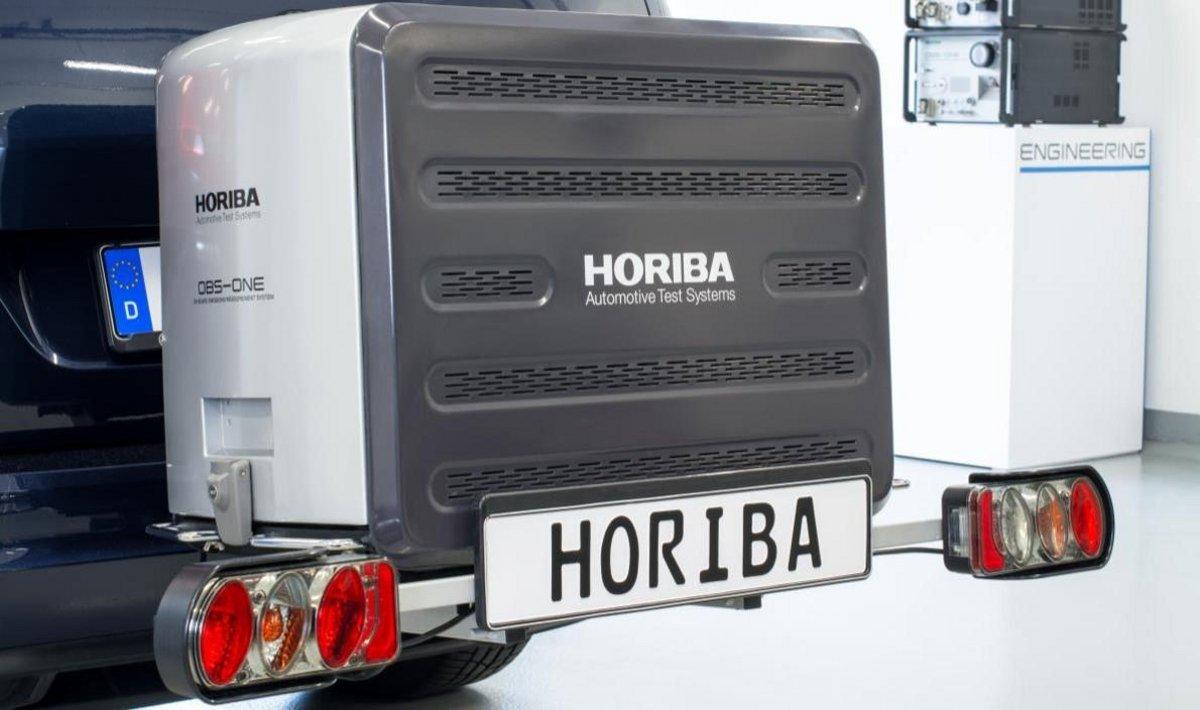
PEMS Testing | Portable Emission Measurement System | HORIBA
This image shows a typical pems unit mounted on a vehicle, highlighting its compact design for easy installation.
How pems Operate in Practice
Setting up pems begins with mounting the system on the vehicle. The exhaust probe attaches securely to the tailpipe, drawing a sample of gases without restricting flow. Hoses and cables route to the main analyzer box, which might sit in the trunk or on a hitch-mounted platform. Calibration is vital here; zero and span gases ensure accuracy before each test.
Once underway, pems record data continuously. As the vehicle accelerates, idles, or cruises, sensors capture fluctuations in emissions. For example, during cold starts, hydrocarbon levels might spike, revealing issues with catalytic converters. The system synchronizes with the vehicle’s OBD port for engine parameters like fuel injection timing and EGR rates, enriching the dataset.
Data processing happens post-trip. Software algorithms apply correction factors for dilution and temperature, then calculate trip-averaged emissions. Boundaries like urban, rural, and highway segments help segment the analysis, ensuring compliance across diverse conditions. Engineers often use pems in conjunction with driving cycles that mimic real routes, such as those defined in RDE procedures.
One practical tip for users: Always account for the added weight. It can slightly alter fuel consumption, so tests might include a baseline run without the system. Maintenance is straightforward—regular filter changes and sensor checks keep pems reliable over multiple campaigns.
Applications Across Industries
Pems find use in regulatory compliance, where automakers must demonstrate that new models adhere to limits during on-road operation. Beyond certification, research and development teams employ them to optimize engine calibrations. By identifying emission hotspots, like during aggressive acceleration, designers can tweak software or hardware for better performance.
Fleet operators benefit too. Trucking companies use pems to monitor heavy-duty vehicles, ensuring they stay within emission budgets and avoiding fines. In urban planning, cities deploy these systems on public transport to assess air quality impacts, informing policies on low-emission zones.
Environmental scientists leverage pems for broader studies. Mounting them on various vehicles helps map pollution patterns in real time, contributing to models that predict smog formation. Even in motorsports, teams occasionally use simplified versions to fine-tune engines for efficiency without sacrificing power.
In emerging markets, pems support enforcement. Portable units allow spot-checks on older vehicles, identifying high emitters for repairs or retirement. This versatility makes pems indispensable in the push toward cleaner mobility.
Advantages Over Traditional Methods
The primary strength of pems lies in their ability to provide real-world data. Lab tests on chassis dynamometers simulate drives but miss nuances like hill climbs or wind resistance. Pems capture these, revealing up to 10 times higher NOx emissions in some cases compared to lab figures.
Portability is another plus. Unlike fixed lab equipment, pems can test anywhere—from highways to off-road paths—making them ideal for diverse vehicle types, including motorcycles and construction machinery. Their modularity allows customization; add a particle number counter for ultrafine particulates or integrate with telematics for remote monitoring.
Accuracy has improved dramatically. Modern pems achieve measurement uncertainties below 10% for most pollutants, rivaling lab standards. This reliability builds trust in the data, supporting evidence-based regulations. Cost-wise, while initial outlay is high, the long-term savings from avoiding non-compliance issues are substantial.
Finally, pems promote transparency. Publicly available test results empower consumers to choose greener vehicles, driving market shifts toward sustainability.
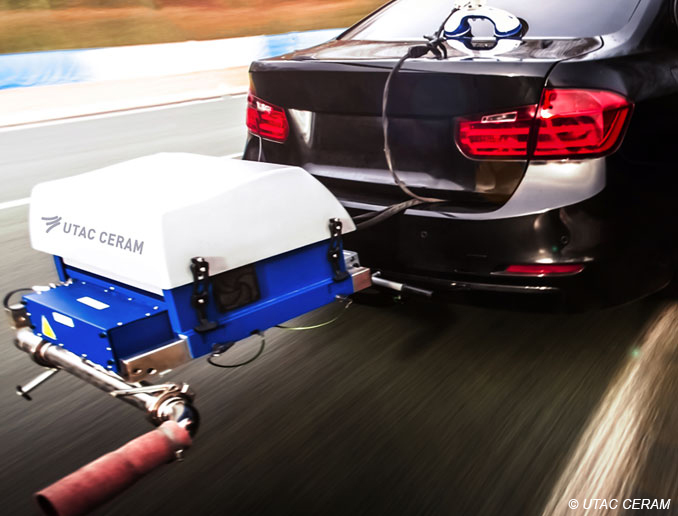
Gas analyzers for real-world emissions and fuel economy testing.
Here, a vehicle equipped with pems is shown in motion, demonstrating how the system functions during actual driving tests.
Challenges and Limitations
Despite their benefits, pems aren’t without hurdles. Installation can be time-consuming, requiring skilled technicians to avoid leaks or misalignments that skew data. Weather extremes pose risks; heavy rain might affect sensors, while cold temperatures demand heated lines to prevent condensation.
Data volume is massive. A single hour-long test generates gigabytes of information, necessitating robust processing tools. Analysts must filter out invalid segments, like when the vehicle is stationary too long, to comply with protocols.
Cost remains a barrier for smaller entities. High-end pems can exceed $100,000, though rental options and shared facilities help. Regulatory harmonization is ongoing; differences between EU and US standards complicate global testing.
Safety considerations matter too. The added equipment shouldn’t impair vehicle handling, and operators must secure everything to prevent accidents. Addressing these challenges requires ongoing innovation, from lighter materials to AI-assisted data analysis.
Future Directions for pems Technology
Looking ahead, pems are poised for further integration with electric and hybrid vehicles. While EVs produce no tailpipe emissions, pems variants could measure brake and tire particulates, addressing non-exhaust sources. For hybrids, seamless switching between modes demands advanced syncing capabilities.
Sensor fusion is a hot area. Combining pems with LiDAR or cameras could correlate emissions with traffic density, enhancing urban air quality models. Miniaturization continues, aiming for suitcase-sized units that fit any car without modifications.
Regulatory trends favor pems. Upcoming standards like Euro 7 emphasize lifetime compliance, meaning periodic re-testing with these systems. In developing regions, affordable pems could accelerate adoption of cleaner tech.
Sustainability in manufacturing is key. Future pems might use recyclable components and low-power electronics to minimize their own footprint. As autonomous vehicles rise, embedding pems-like sensors directly could make real-time monitoring standard.
Conclusion
Pems have transformed how we approach vehicle emissions, offering a window into real-world performance that labs simply can’t match. From their components and operation to broad applications, these systems deliver value for engineers, regulators, and environmentalists alike. While challenges persist, ongoing advancements promise even greater accuracy and accessibility. Embracing pems isn’t just about compliance—it’s about building a cleaner, more accountable automotive future. If you’re in the field, consider investing in training or partnerships to leverage their full potential.








Leave a Reply