
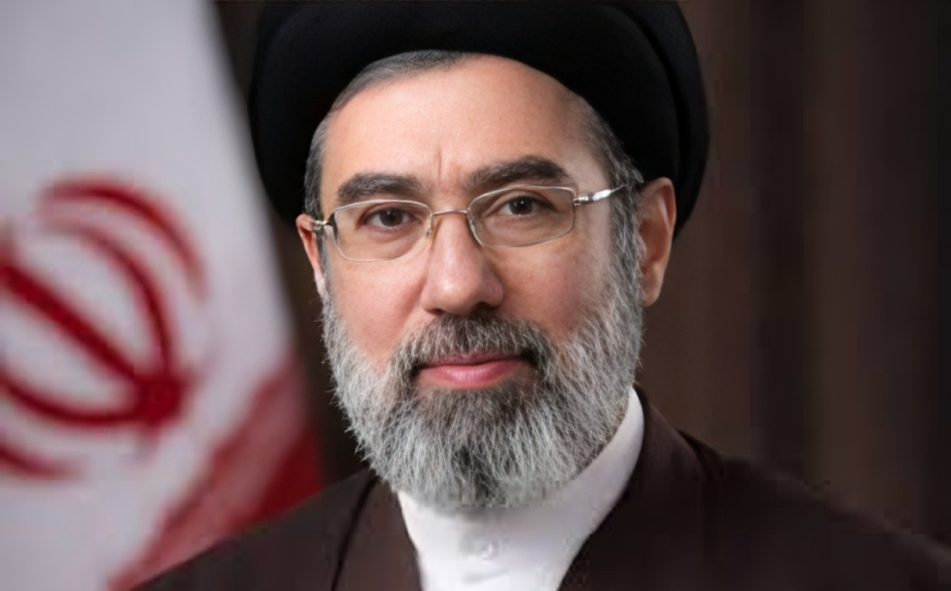
In modern Iranian politics, few figures generate as much speculation and quiet debate as mojtaba khamenei. Known primarily as the second son of Iran’s Supreme Leader, he has remained largely out of the public spotlight while simultaneously being discussed as one of the most influential behind-the-scenes actors in the country’s political structure. Despite limited official roles and almost no public speeches, analysts, journalists, and political observers have long tried to understand the influence, networks, and potential future of mojtaba khamenei within Iran’s complex system of power.
Early Life and Family Background
Born in 1969 in Mashhad, Iran, mojtaba khamenei grew up in a household deeply connected to the religious and political transformation of the country. His father, Ali Khamenei, rose to prominence during and after the Iranian Revolution, eventually becoming the Supreme Leader in 1989.
Growing up in such an environment meant exposure to both theological education and the realities of political leadership from an early age. Like many members of Iran’s clerical elite, mojtaba khamenei pursued religious studies in Qom, one of the most important centers of Shiite scholarship.
However, unlike other clerics who frequently appear in sermons or academic debates, he maintained a notably low public profile. This choice—or strategy—would later become a defining characteristic of his public identity.
Education and Religious Training
Iran’s political leadership is closely tied to religious scholarship, and mojtaba khamenei followed the traditional path of clerical education. He studied at the seminaries of Qom, where aspiring scholars engage in extensive training in Islamic jurisprudence, theology, and philosophy.
His studies reportedly included advanced jurisprudence courses under prominent scholars. While he has not claimed the highest clerical rank of marja (source of emulation), his education positioned him within Iran’s influential religious establishment.
Observers note that mojtaba khamenei’s scholarly background helps him navigate the intersection between religion and governance—an essential aspect of Iran’s political system.
The Structure of Power in Iran
To understand the discussions surrounding mojtaba khamenei, it is important to understand how power functions in Iran.
Iran’s system blends republican institutions with clerical oversight. Key components include:
- The Supreme Leader
- The presidency
- The parliament (Majlis)
- The judiciary
- Religious councils and oversight bodies
- Security institutions
Within this framework, informal influence can be just as significant as official positions. This reality has fueled persistent conversations about the role mojtaba khamenei may play within elite political networks.
Alleged Political Influence
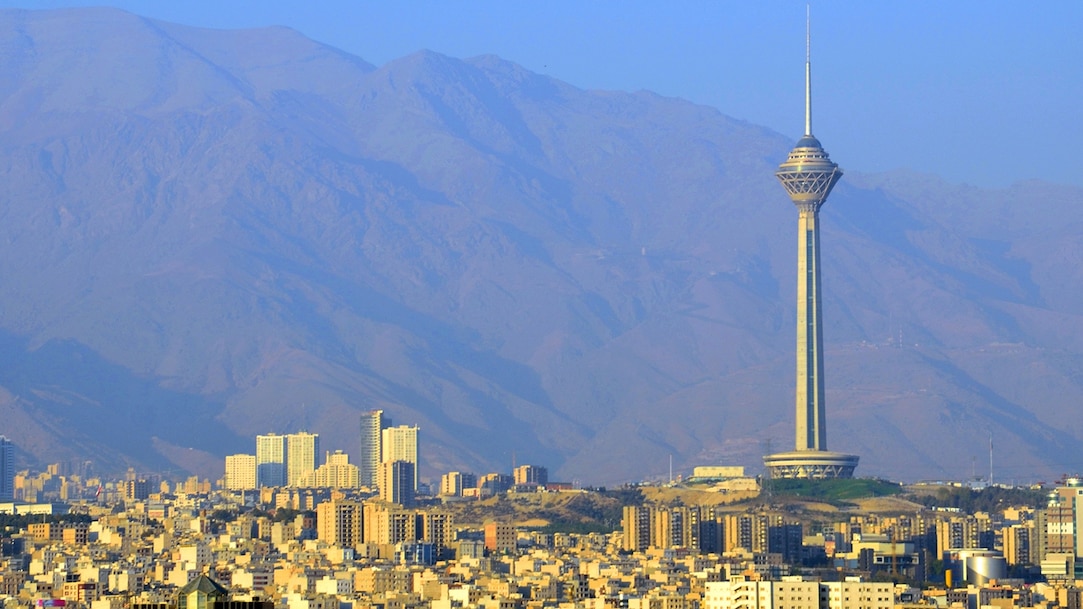
Over the past two decades, analysts have frequently suggested that mojtaba khamenei maintains close relationships with influential political and security figures, particularly within the Islamic Revolutionary Guard Corps.
Although these claims remain difficult to verify due to Iran’s opaque political culture, several factors contribute to the perception of his influence:
1. Proximity to the Supreme Leader
As the son of the country’s highest authority, mojtaba khamenei has unparalleled proximity to the center of power. In political systems worldwide, family members of top leaders often become informal advisors or gatekeepers.
2. Links With Conservative Political Circles
Reports from political observers frequently describe mojtaba khamenei as aligned with conservative and hardline factions within Iran’s political spectrum. These networks include clerical institutions, security bodies, and ideological organizations.
3. Role in Electoral Dynamics
Some commentators have speculated that mojtaba khamenei played a role in internal political coordination during certain Iranian elections. While definitive evidence is scarce, the persistence of these discussions reflects the broader perception of his influence.
A Deliberately Low Public Profile
One of the most striking aspects of mojtaba khamenei’s public image is his near invisibility in official media.
Unlike many prominent Iranian clerics, he rarely:
- Gives public speeches
- Participates in televised events
- Publishes political writings
- Appears at major political gatherings
This absence has paradoxically increased curiosity about his role.
Political figures who avoid the spotlight often become subjects of speculation, particularly in systems where transparency is limited. For mojtaba khamenei, maintaining a low profile may serve several purposes:
- Avoiding political controversy
- Preserving flexibility within elite networks
- Reducing public scrutiny
The Succession Debate
Perhaps the most controversial discussions surrounding mojtaba khamenei involve the future leadership of Iran.
The position of Supreme Leader is selected by the Assembly of Experts, a council of senior clerics tasked with choosing and supervising the country’s highest authority.
As Ali Khamenei has led Iran since 1989, observers inevitably speculate about succession scenarios. Within these debates, mojtaba khamenei is sometimes mentioned as a possible candidate or influential power broker.
However, such speculation faces significant challenges.
Religious Credentials
The Supreme Leader traditionally requires high-level clerical status. While mojtaba khamenei is educated in religious scholarship, his clerical rank has not reached the highest levels expected for the role.
Political Sensitivities
Iran’s leadership emerged from a revolution that opposed monarchy and hereditary rule. The idea of leadership passing from father to son could provoke strong political resistance.
Institutional Competition
Iran’s power structure includes numerous influential figures, from senior clerics to military leaders and political elites. Any succession process would likely involve negotiation among many actors.
Public Perception and Controversy
Public perception of mojtaba khamenei varies widely depending on political perspective.
Among supporters of Iran’s current system, he is sometimes seen as a loyal and disciplined cleric who prefers to work quietly rather than seek personal recognition.
Critics, however, argue that the lack of transparency surrounding mojtaba khamenei raises concerns about informal power structures operating outside official institutions.
These contrasting views highlight a broader debate about governance and accountability within Iran’s political framework.
Influence Through Networks Rather Than Titles
A recurring theme in discussions about mojtaba khamenei is the distinction between formal authority and informal influence.
Political power does not always depend on holding a public office. In many political systems, influence emerges through:
- personal relationships
- institutional networks
- ideological alliances
- access to decision-makers
Observers who believe mojtaba khamenei plays an important role often point to this type of influence. Rather than operating through official titles, he may function as a connector between religious institutions, political actors, and security organizations.
Whether this perception accurately reflects reality remains difficult to verify, but it illustrates how modern power structures can operate behind the scenes.
The Future of Mojtaba Khamenei in Iranian Politics
Predicting the future role of mojtaba khamenei is challenging because of Iran’s complex and often unpredictable political landscape.
Several possible scenarios are frequently discussed by analysts:
Continued Behind-the-Scenes Influence
The most likely scenario may be that mojtaba khamenei continues to operate quietly within elite networks without assuming a major public office.
Expanded Religious Role
Another possibility is that he focuses more heavily on religious scholarship and clerical leadership, strengthening his standing within Iran’s theological institutions.
Political Visibility
Although unlikely in the short term, circumstances could eventually bring mojtaba khamenei into a more visible political role if power dynamics within Iran shift significantly.
Conclusion
The figure of mojtaba khamenei remains one of the most intriguing and least understood personalities in Iranian politics. His unique position—situated close to the country’s most powerful leader while remaining largely outside the public eye—has fueled years of speculation and debate.
Understanding mojtaba khamenei requires recognizing the distinctive nature of Iran’s political system, where formal titles and informal influence often intersect. Whether he continues as a quiet strategist within elite networks or eventually assumes a more visible role, mojtaba khamenei will likely remain an important figure in discussions about Iran’s political future.


Leave a Reply