
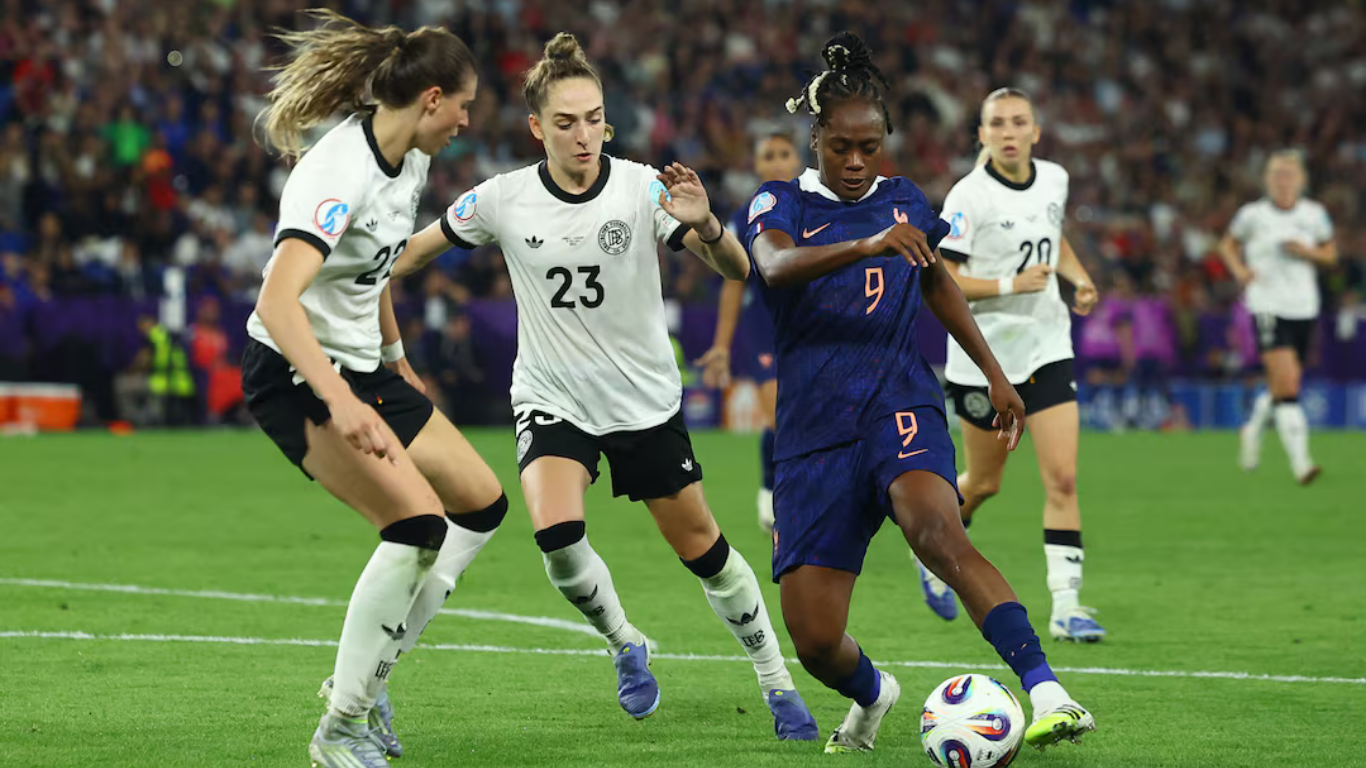
When exploring Europe’s most influential nations, the France vs Germany dynamic stands out as a fascinating study in contrasts and connections. These neighboring countries have shaped the continent through centuries of rivalry and cooperation. From battlefield clashes to shared leadership in the European Union, their relationship reveals much about resilience, innovation, and cultural pride. This article examines key areas where France and Germany diverge and converge, offering general knowledge enthusiasts a clear, balanced view. Whether you’re planning a trip or simply curious about European identity, the France vs Germany comparison highlights what makes each nation distinct yet essential to the modern world.
Historical Background
The France vs Germany story is rooted in dramatic historical shifts. The Franco-Prussian War of 1870-71 redrew borders and sowed seeds of future conflict, leading into the devastation of two world wars. Post-1945, however, both nations chose reconciliation over revenge, laying the foundation for today’s European Union through the 1951 European Coal and Steel Community. This transformation from enemies to partners remains one of the most remarkable diplomatic achievements in modern history. Their shared past continues to influence everything from education to public memory, with memorials and museums in both countries reminding citizens of the cost of division and the value of unity.
Cultural Aspects
Culturally, France and Germany present striking differences that reflect their unique worldviews. French culture emphasizes elegance, intellectual debate, and artistic expression, evident in its fashion houses, philosophy salons, and cinematic heritage. Germans, by contrast, value precision, efficiency, and directness, seen in their engineering excellence, classical music tradition, and strong emphasis on work-life balance through policies like generous vacation time. Despite these contrasts, both nations cherish literature, theater, and public festivals. The France vs Germany lens reveals how these traits complement each other, fostering cross-border exchanges in art, music, and education that enrich the entire continent.
Economic Strengths
Economically, the France vs Germany comparison often highlights Germany’s edge in manufacturing and exports. Germany’s robust automotive, machinery, and chemical sectors drive its status as Europe’s largest economy, with a focus on innovation and vocational training that keeps unemployment low. France excels in luxury goods, aerospace, tourism, and nuclear energy, boasting a more diversified service-oriented model. Both countries maintain high living standards and strong social welfare systems, though tax structures and labor laws differ noticeably. Together, they form the engine of the eurozone, proving that healthy competition strengthens rather than weakens their mutual prosperity.
Food and Cuisine
Food offers one of the most enjoyable angles in any France vs Germany discussion. French cuisine is renowned worldwide for its refinement, with techniques like sauces, pastries, and wine pairings elevated to an art form—think escargot, croissants, and Champagne. German cooking, meanwhile, celebrates hearty, comforting dishes such as sausages, pretzels, sauerkraut, and beer-infused specialties that reflect regional ingredients and seasonal traditions. While French dining leans formal and experiential, German meals prioritize conviviality and value. Both nations take immense pride in their culinary heritage, protected by strict quality standards that ensure authenticity for locals and visitors alike.
Sports Rivalry
In the realm of sports, the France vs Germany football rivalry captures global attention like few others. Iconic matches, including the 1982 World Cup semifinal and Germany’s 2014 World Cup victory over France en route to the title, have created lasting memories and passionate fan bases. Beyond football, both countries invest heavily in Olympic sports, handball, and cycling. France often shines in individual elegance and flair, while Germany emphasizes team discipline and tactical precision. These encounters on the pitch mirror broader national characteristics, turning athletic contests into celebrations of identity that unite millions across borders in friendly competition.
Tourism and Geography
Geographically, France vs Germany reveals diverse landscapes that attract millions of tourists annually. France offers Mediterranean beaches, Alpine peaks, rolling vineyards, and iconic cities like Paris and Nice, providing varied experiences from culture to coastal relaxation. Germany counters with fairy-tale castles along the Rhine, dense Black Forest woodlands, bustling Berlin, and efficient public transport that makes exploration seamless. Both nations boast UNESCO sites and efficient infrastructure, yet France edges ahead in sheer visitor numbers thanks to its romantic image. Travelers often find that experiencing both countries back-to-back deepens appreciation for Europe’s rich tapestry.
FAQs
What are the biggest cultural differences between France and Germany?
French culture tends to prioritize elegance, social formality, and a slower pace of life centered on enjoyment, whereas German culture values punctuality, straightforward communication, and structured efficiency. These traits influence everything from business meetings to daily interactions. However, younger generations in both countries increasingly blend influences through travel, education exchanges, and digital connectivity. Understanding these nuances helps visitors navigate social expectations more comfortably and appreciate the depth each society brings to the European identity.
Which country has the stronger economy—France or Germany?
Germany generally maintains a larger overall GDP and stronger export-driven manufacturing base, making it Europe’s economic powerhouse. France counters with leadership in luxury, tourism, and high-tech sectors such as aerospace. Both nations enjoy high productivity and innovation, though Germany’s focus on vocational training gives it an edge in skilled labor. Economic policies differ slightly, with France emphasizing state involvement and Germany prioritizing market flexibility. In practice, their interdependence within the EU means one’s success benefits the other.
How does the football rivalry between France and Germany compare to other sports rivalries?
The France vs Germany football rivalry ranks among Europe’s most intense due to historical context and high-stakes matches that have decided world titles. Unlike purely regional derbies, it carries symbolic weight from past conflicts turned into peaceful competition. Both teams consistently rank among the world’s best, producing thrilling encounters that draw massive global audiences. This rivalry extends beyond football into other sports but remains most visible on the pitch, where mutual respect often follows fierce contests.
What should travelers consider when choosing between France and Germany for a holiday?
Travelers seeking romance, gastronomy, and varied scenery often choose France, while those preferring efficiency, nature hikes, and historic castles lean toward Germany. Budget, language comfort, and interests matter—France offers more English-friendly tourist hubs, whereas Germany excels in public transport and value. Many savvy visitors combine both nations in one trip, using high-speed trains to experience the best of each. Seasonal events, from French wine harvests to German Christmas markets, further influence the ideal timing.
Conclusion
The France vs Germany comparison ultimately reveals two nations that have moved beyond rivalry to become indispensable partners. Their historical journey from conflict to collaboration, combined with distinct cultural strengths, economic synergies, culinary traditions, sporting passion, and geographic diversity, creates a compelling European narrative. Both countries continue to influence global affairs while preserving unique identities that enrich the continent. For anyone seeking deeper insight into Europe, exploring this relationship offers valuable lessons in resilience, innovation, and the power of unity. Whether through travel, study, or simple curiosity, the France vs Germany story reminds us that differences can drive progress when met with respect and shared purpose.






Leave a Reply