
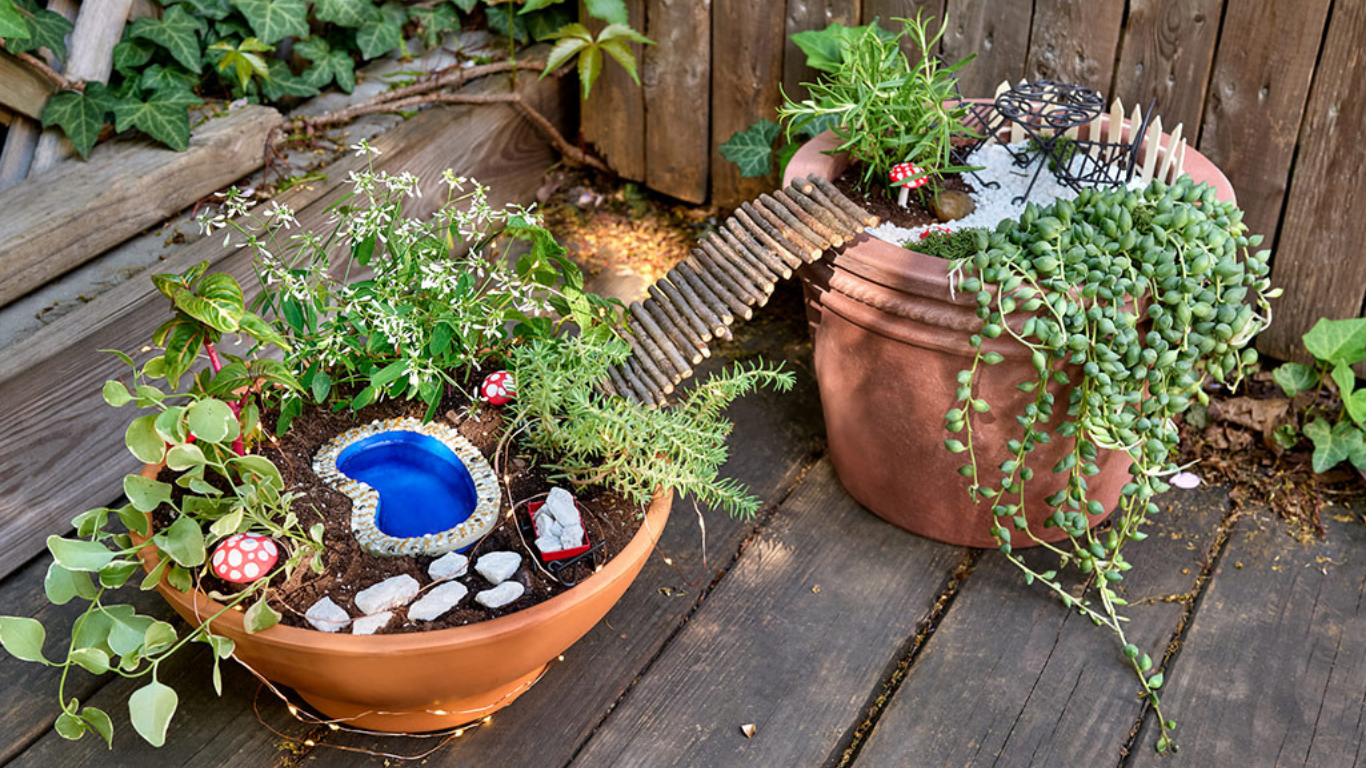
Well, if you’ve ever looked at a mossy corner of your backyard and thought, “Something magical could happen here,” — you’re absolutely right! Fairy garden ideas have been capturing the hearts of gardeners, hobbyists, parents, and even interior designers across the globe. These miniature, whimsical landscapes are more than just a trend; they’re a joyful expression of creativity, a little bit of wonder tucked into a pot, a broken birdbath, or a stretch of garden bed.
Whether you’re a complete beginner who’s never planted a seed or a seasoned green thumb looking for a fresh challenge, fairy gardens offer something truly special. They’re accessible, affordable, and — let’s be honest — absolutely delightful to look at. In this guide, we’ll walk you through everything you need to know: from choosing the right container and plants to adding the perfect enchanting accessories that’ll make your tiny world come alive.
Let’s dive right in!
What Is a Fairy Garden, Exactly?
Before we get into the fun part, it’s worth taking a moment to understand what a fairy garden actually is. A fairy garden is a miniature landscape designed to look like a tiny, magical world — complete with small plants, little pathways, miniature furniture, and decorative elements like fairy houses, bridges, and lanterns. They’re inspired by the folklore tradition of fairies living in natural spaces, hidden from human eyes.
The beauty of fairy garden ideas is that there are no strict rules. You can go wild with a woodland theme, keep things clean and modern, or let your inner child run the show with colorful toadstools and glittering stones. That’s really what makes them so appealing — they’re endlessly personal and customizable.
Fairy gardens can be:
- Indoors — in pots, terrariums, or window boxes
- Outdoors — in garden beds, containers, or even tree stumps
- Portable — in planters or trays that can be moved around
- Permanent — built directly into a garden bed or landscaped area
Choosing the Right Container for Your Fairy Garden
Ah, the container — it’s the very foundation of your magical little world! Choosing the right one sets the tone for everything else. The good news? Almost anything can become a fairy garden container if you look at it the right way.
Popular Container Options
| Container Type | Best For | Style |
| Terracotta pots | Beginners, indoor/outdoor | Classic, rustic |
| Wooden crates or boxes | Rustic, woodland themes | Farmhouse, boho |
| Vintage birdbaths | Outdoor statement pieces | Whimsical, romantic |
| Wheelbarrows (miniature) | Cottage garden look | Charming, vintage |
| Tree stumps | Natural woodland themes | Organic, earthy |
| Broken clay pots | Creative DIY projects | Artistic, unique |
| Glass terrariums | Indoor fairy gardens | Modern, elegant |
| Old boots or teapots | Quirky, playful designs | Eclectic, fun |
When you’re picking your container, think about drainage. Poor drainage is probably the most common reason fairy gardens struggle. Make sure your chosen vessel has holes at the bottom, or add a layer of gravel before planting to allow excess water to escape. It’s a small step, but boy, does it make a big difference!
Best Plants for Fairy Garden Ideas
Now, here’s where things really get exciting! The plants you choose will determine the entire atmosphere of your miniature world. You want species that stay small, grow slowly, and ideally thrive in the conditions you can offer.
Ground Cover Plants (The “Fairy Lawn”)
- Irish moss (Sagina subulata) — forms a lush, green carpet that looks just like a fairy meadow
- Baby’s tears (Soleirolia soleirolii) — a delicate, trailing plant perfect for edges and pathways
- Creeping thyme — releases a lovely scent when stepped on and has tiny purple flowers
- Miniature sedge grasses — adds texture and movement to your fairy garden landscape
Upright Plants (For Height and Drama)
- Dwarf conifers — perfect “fairy trees” that stay small for years
- Miniature ferns — lush and woodland-like, ideal for shaded spots
- Hen and chicks (Sempervivum) — tough, low-maintenance, and looks like a tiny rosette garden
- Miniature hostas — shade-tolerant with gorgeous leaf patterns
- Sedum varieties — great for sunny, dry spots; come in all sorts of textures
Flowering Plants for Charm
- Lobularia (sweet alyssum) — tiny white or pink flowers that smell heavenly
- Miniature roses — yes, they exist, and they’re absolutely gorgeous in fairy gardens
- Violas and pansies — cheerful, colorful, and easy to grow
- Alpine plants — naturally small and perfect for creating rugged, magical landscapes
A pro tip here: don’t overcrowd your container from the start. Plants will grow, and a fairy garden that looks a little sparse at first will fill in beautifully over time. Give those roots room to breathe!
Fairy Garden Themes to Spark Your Imagination
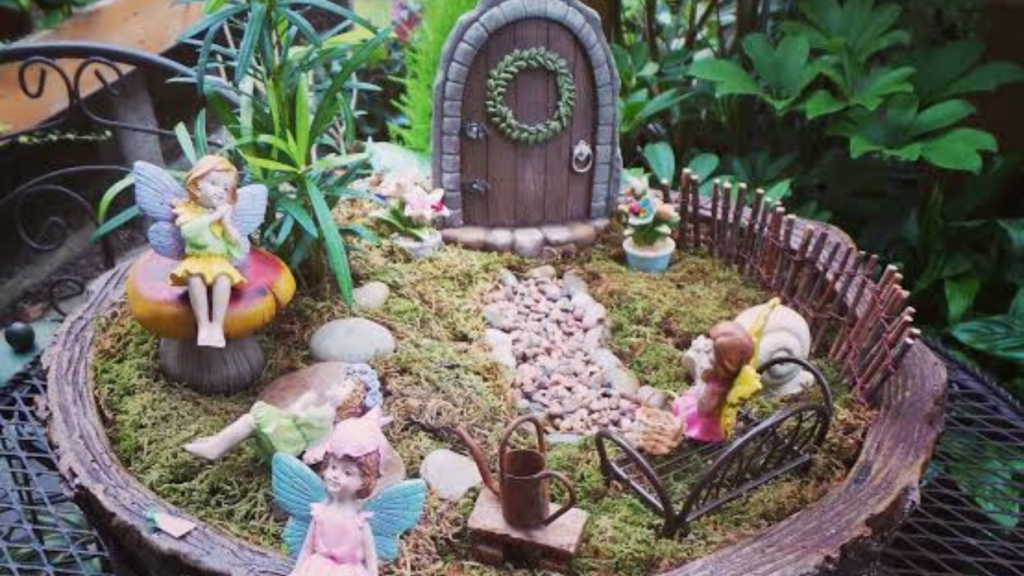
One of the most exciting parts of exploring fairy garden ideas is picking a theme. Your theme will guide your plant choices, accessories, and overall color palette, making the whole design process feel much more focused.
Enchanted Woodland Theme
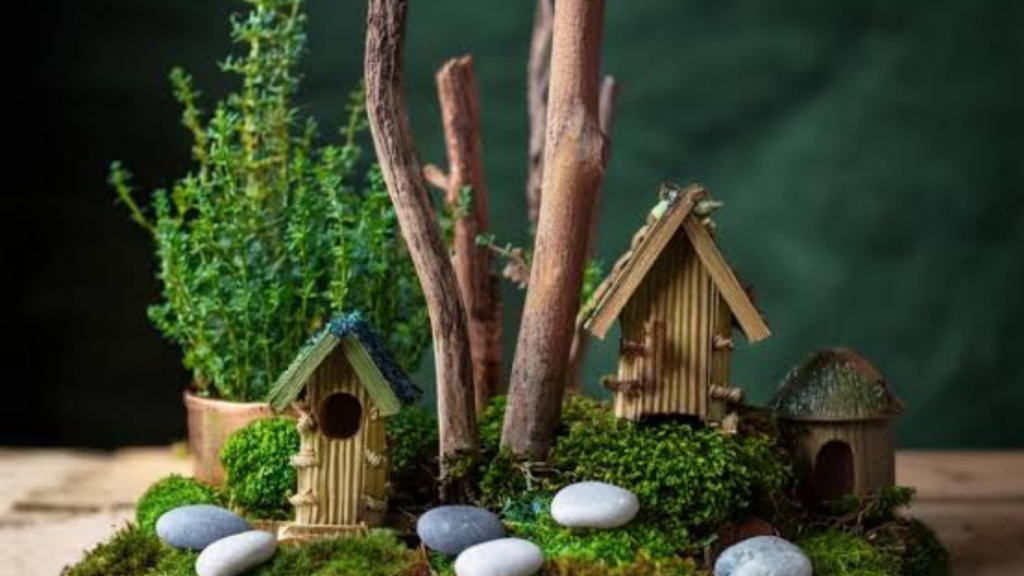
Think mossy logs, fern fronds, and a tiny cottage nestled between stone pathways. Use earthy tones — deep greens, browns, and muted purples — and add mushroom ornaments, tiny woodland animals, and a little wishing well. This is probably the most classic of all fairy garden themes, and it never, ever gets old.
Beach or Coastal Fairy Garden
Who says fairies don’t love the sea? Use light sandy soil, tiny shells, driftwood, and miniature beach chairs to create a seaside escape in miniature. Sea thrift (Armeria maritima) and miniature ornamental grasses work beautifully here.
Secret Garden Theme
Inspired by the beloved classic story, this theme leans into romance and mystery. Use climbing miniature roses, ivy, stone walls (made from pebbles), and an old iron gate ornament. This style looks stunning in a deeper container where you can build up layers.
Fairy Cottage Garden
This theme is all about cheerfulness and color. Brightly painted little houses, colorful flowers, winding pebble paths, and a tiny vegetable patch all contribute to the charm. It’s a wonderful theme for gardens made with children.
Zen or Japanese-Inspired Fairy Garden
For something a little more serene, why not go for a Japanese miniature garden? Use smooth river stones, miniature bamboo, a tiny pagoda ornament, and raked gravel. It’s calming, beautiful, and a real conversation starter.
Must-Have Fairy Garden Accessories
No fairy garden would be complete without the magical accessories that truly bring the world to life! These are the details that make visitors stop, lean in, and say, “Oh, how adorable!” — and frankly, that’s the whole point.
Essential Accessories to Consider
- Fairy houses and cottages — the centerpiece of most designs; available in ceramic, resin, or wood
- Miniature fencing — defines pathways and garden “rooms”; use twigs or buy ready-made pieces
- Tiny bridges — perfect over a bed of blue glass pebbles to suggest a stream
- Lanterns and lights — solar-powered fairy lights woven through plants create a dreamy glow at night
- Miniature furniture — benches, chairs, and tables add a lovely lived-in quality
- Pathways — use pebbles, sand, crushed shells, or fine gravel to create winding paths
- Wells and fountains — a miniature water feature (even a decorative one) is a charming focal point
- Gnomes, animals, and figurines — foxes, hedgehogs, rabbits, and of course fairies themselves!
- Mirrors — a small piece of mirror placed flat on the soil looks just like a fairy pond
- Moss stones — naturally textured and absolutely beautiful scattered throughout
When choosing accessories, less is often more. It’s easy to get carried away (and who could blame you?), but a few carefully chosen pieces will look far more intentional and magical than a cluttered jumble of ornaments.
Fairy Garden Ideas for Small Spaces and Apartments
You might be thinking, “This all sounds wonderful, but I haven’t got a garden!” Well, here’s the thing — you absolutely don’t need one. Some of the most creative fairy garden ideas are perfectly suited to balconies, windowsills, and even kitchen countertops.
Ideas for Small-Space Fairy Gardens
- Terrarium fairy gardens — a glass container creates a self-contained ecosystem that’s low-maintenance and beautiful
- Hanging basket fairy gardens — line a wire basket with coconut fibre, add small plants and accessories, and hang it near a window
- Bookshelf fairy gardens — a shallow tray of succulents and fairy accessories makes a stunning shelfie
- Window box conversions — dedicate one section of a window box to a miniature fairy landscape
- Mason jar gardens — tiny succulents in a mason jar with a few micro accessories look utterly charming
Even in the smallest of spaces, a little creativity goes a long, long way. The scale of fairy gardens means that even a 20cm pot can feel like a whole world when it’s done right.
Step-by-Step Guide to Creating Your First Fairy Garden
Ready to get your hands dirty? Here’s a simple, beginner-friendly guide to creating your very first fairy garden from scratch.
What You’ll Need
- A container with drainage
- Potting mix suitable for your chosen plants
- Gravel or perlite (for drainage layer)
- Your chosen plants
- Accessories and ornaments
- Decorative pebbles, sand, or bark chip for pathways
- Optional: moss, driftwood, or other natural materials
Step One — Plan Your Layout
Before you plant a single thing, lay your accessories and plants out on a table and play with the arrangement. Decide where your “house” will go, where the pathway will run, and where you want your taller plants versus your ground cover. It’s much easier to rearrange things on a tabletop than in soil!
Step Two — Prepare Your Container
Add a layer of gravel or perlite at the bottom of your container (about 2–3 cm deep), then fill with potting mix to about 3 cm from the top.
Step Three — Plant Your Greenery
Start with your tallest plants at the back or centre, then work outward with medium-height plants, and finish with ground cover at the edges. Firm the soil around each plant gently.
Step Four — Add Your Pathways and Features
Lay down your pebble pathways or sand areas before adding accessories. A little mirror “pond” should sit flush with the soil surface.
Step Five — Place Your Accessories
Now comes the fun part! Arrange your fairy house, furniture, and figurines. Push them gently into the soil so they stand securely. Step back and take a look — adjust anything that doesn’t feel quite right.
Step Six — Water and Maintain
Water gently around the base of the plants (not over the accessories). Check the moisture level regularly, and trim any plants that start to outgrow the space.
Seasonal Fairy Garden Ideas for Year-Round Magic
One of the lesser-known joys of fairy garden ideas is that you can change them with the seasons! Swapping out a few accessories and seasonal plants keeps your garden fresh and gives you an excuse to get creative throughout the year.
- Spring — pastel-coloured flowers, miniature Easter eggs, butterflies, and tiny birdhouses
- Summer — bright blooms, mini beach scenes, colourful bunting, and solar fairy lights
- Autumn — tiny pumpkins and gourds, fallen “leaves” (dried petals), harvest scenes with miniature baskets
- Winter — evergreen plants, frosted pinecones, tiny snowmen, and warm-glowing lights
Seasonal updates don’t need to be expensive. A handful of new accessories or a few fresh plants can completely transform the look and feel of your garden in just minutes.
Fairy Garden Ideas for Kids: A Magical Learning Experience
If you’ve got little ones at home, fairy gardens are an absolute treasure of an activity. They’re hands-on, imaginative, and quietly educational all at the same time. Children learn about plants, nature, responsibility, and creative design — all while having the time of their lives!
Some tips for creating fairy gardens with children:
- Let them choose the theme — ownership makes them more invested in caring for it
- Use hardy, forgiving plants like succulents so that small “accidents” don’t ruin everything
- Include space for them to add their own drawings, tiny notes, or handmade accessories
- Give the fairies names and create little stories about them — this keeps the magic alive long after the planting is done
- Visit garden centres together to pick plants and accessories — it becomes a wonderful outing
There’s truly something magical about watching a child carefully arrange a tiny table and chairs, convinced that a fairy will come to sit there tonight. Don’t rush that moment. It’s worth every muddy fingerprint!
Common Mistakes to Avoid with Fairy Garden Ideas
Even the most well-intentioned fairy gardens can run into trouble. Here are the most common pitfalls to sidestep:
- Overwatering — the number one cause of failure; always check the soil before watering
- Wrong plant choices — mixing plants with different water or light needs leads to one always suffering
- Too many accessories — cluttered designs lose that magical quality; edit ruthlessly
- No drainage — standing water will rot roots quickly; always plan for drainage
- Ignoring scale — a massive fairy house next to tiny plants looks odd; try to keep everything roughly in proportion
- Choosing fast-growing plants — they’ll take over in no time; stick to slow-growing and dwarf varieties
- Placing in the wrong light — know your space before choosing shade-loving versus sun-loving plants
Honestly, making mistakes is part of the learning curve, and even imperfect fairy gardens have a charm all their own. Don’t be too hard on yourself — just adjust and keep going!
Conclusion
There you have it — a full, comprehensive guide to the very best fairy garden ideas to transform any space, large or small, into a magical miniature world. Whether you’re drawn to an enchanted woodland filled with ferns and fairy lights, a sunny coastal scene built from shells and driftwood, or a cosy cottage garden bursting with colourful blooms, there’s a fairy garden design out there with your name on it.
The truth is, fairy gardens are about far more than just pretty plants and cute accessories. They’re about slowing down, paying attention to small details, and finding joy in the act of creating something beautiful. They teach patience, nurture creativity, and bring a real sense of wonder into everyday life — for children and adults alike.
So go ahead and give it a go! Start with a single pot, a handful of plants, and one or two accessories, and let your imagination do the rest. With the right fairy garden ideas in hand, you’re already halfway to building something truly enchanting.
FAQs
What are the best plants for fairy garden ideas indoors?
For indoor fairy gardens, small succulents like Haworthia, miniature ferns, baby’s tears, and moss are excellent choices. They stay compact, tolerate indoor light conditions well, and create a lush, green effect that looks naturally magical.
How do I keep my fairy garden looking good year-round?
Regular maintenance is key — trim overgrown plants, replace any that have died, refresh the soil seasonally, and swap out accessories to match the time of year. Seasonal updates keep your fairy garden looking intentional and alive rather than neglected.
Can I make a fairy garden without buying accessories?
Absolutely! Natural materials like pebbles, pinecones, twigs, acorn caps, and moss can create a beautiful, rustic fairy garden at very little cost. A small mirror becomes a fairy pond, twigs become a fence, and a hollow log becomes a fairy home.
What is the best container for a beginner’s fairy garden?
A terracotta pot or a wide, shallow planter is ideal for beginners. They provide good drainage, are widely available, and offer enough space to arrange a few plants and accessories without being overwhelming to manage.
How often should I water my fairy garden?
This depends on the plants you’ve chosen. Succulent-based fairy gardens may only need watering once every week or two, while gardens with ferns or moisture-loving plants may need water every couple of days. Always check the top layer of soil before watering — if it’s still damp, hold off!








Leave a Reply