
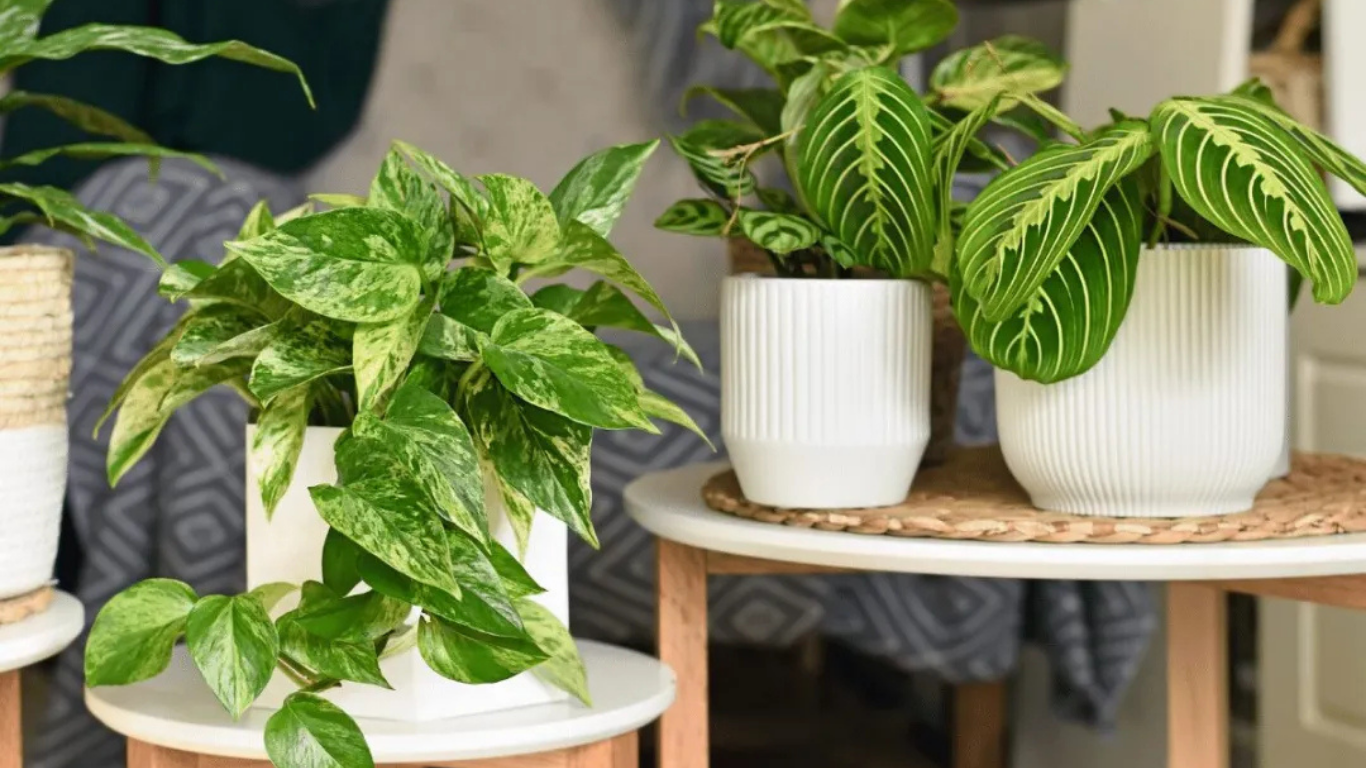
If you’ve ever watched a plant fold its leaves upward at nightfall, almost as if it’s saying a quiet prayer before bed, you already know what makes the prayer plant one of the most enchanting houseplants around. Prayer plant care isn’t just a gardening routine — it’s a relationship with a living, expressive creature that rewards attentive owners with stunning foliage and graceful, rhythmic movement.
The prayer plant, known scientifically as Maranta leuconeura, hails from the tropical rainforests of Brazil. It’s famous for its brilliant patterned leaves — deep greens, reds, and creamy white markings that look almost hand-painted. But don’t be fooled by its exotic looks; with the right approach, this plant is well within reach for beginners and seasoned plant parents alike.
This guide covers everything you need to know about prayer plant care: from light and watering to humidity, soil, repotting, and troubleshooting common problems. Let’s dig in and give your prayer plant the life it deserves!
Understanding the Prayer Plant — A Brief Background
Before jumping into the how-to, it’s worth getting acquainted with this plant’s personality. The name “prayer plant” comes from its fascinating nyctinastic movement — the way its leaves fold upward in the evening, resembling hands folded in prayer. Come morning, those same leaves stretch back out flat to catch the light. It’s a daily ritual that never really gets old.
There are several popular varieties worth knowing:
| Variety | Key Feature | Leaf Pattern |
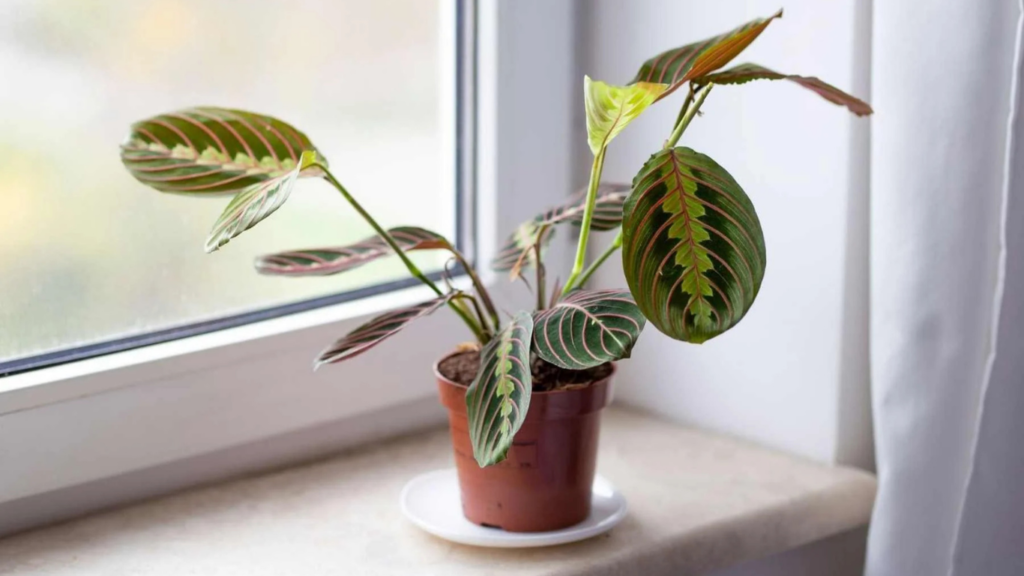
| Maranta leuconeura erythroneura | Red prayer plant | Red veins on dark green leaves |
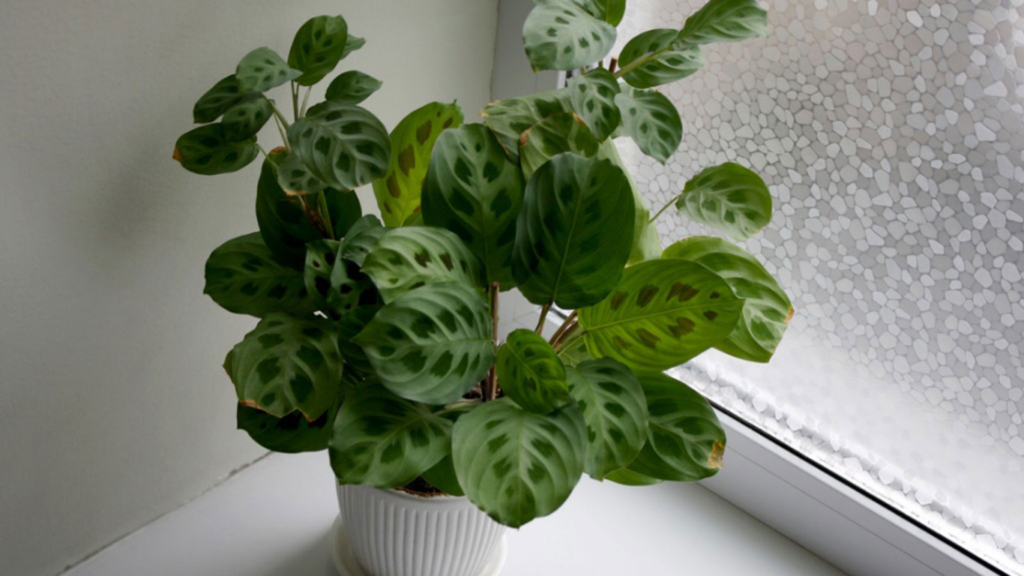
| Maranta leuconeura kerchoveana | Rabbit’s foot | Dark brown spots on light green |
| Maranta leuconeura massangeana | Black prayer plant | Silver herringbone on dark green |
| Calathea (related genus) | Calathea family | Wide variety of bold patterns |
Each variety has its own quirks, but the care fundamentals remain largely the same. Whether you’ve got the fiery red-veined type or the subtler rabbit’s foot, you’re working with a plant that craves warmth, moisture, and indirect light.
Light Requirements — Finding the Sweet Spot
Well, here’s the thing about prayer plants and light: they’re picky, but not impossibly so. In their native rainforest habitat, these plants live under the canopy, where sunlight filters through layers of leaves before reaching them. That tells you everything you need to know.
Ideal conditions:
- Bright, indirect light is the sweet spot
- North- or east-facing windows work beautifully
- A few feet back from a south- or west-facing window is also fine
What to avoid:
- Direct sunlight, especially harsh afternoon sun — it’ll bleach and scorch those gorgeous leaves
- Extremely dark corners — the plant will survive, but growth slows dramatically and leaf patterns fade
A good rule of thumb: if you can comfortably read a book in that spot without turning on a lamp, your prayer plant will probably be happy there. Low light won’t kill it, but it won’t thrive either. Aim for that bright-but-shaded sweet spot, and you’re golden.
Watering Your Prayer Plant — Getting It Just Right
Watering is honestly where most prayer plant owners stumble, and understandably so. This plant doesn’t like to dry out completely, but it absolutely despises sitting in waterlogged soil. It’s a balance, not a strict schedule.
Here’s a practical watering approach:
- Water when the top inch of soil feels dry to the touch
- Use room-temperature water — cold water can shock the roots
- Filtered or distilled water is highly recommended. Prayer plants are sensitive to fluoride and chlorine, which are common in tap water and can cause brown leaf tips
Signs you’re overwatering:
- Yellowing leaves, especially at the base
- Mushy stems near the soil line
- A musty smell coming from the pot
Signs you’re underwatering:
- Leaves curl inward or droop dramatically
- Dry, crispy leaf edges
- Soil pulling away from the pot’s edges
During the growing season (spring through summer), you’ll likely water once or twice a week. In fall and winter, cut back significantly — the plant slows down, and overwatering during dormancy is a common mistake. Always check the soil before reaching for the watering can. That simple habit will save your plant more times than you’d think.
Humidity and Temperature — Tropical Vibes Are Key
Prayer plants are tropical at heart, and that means prayer plant care revolves heavily around humidity. These plants thrive at humidity levels between 50% and 60%. Most homes hover around 30–40%, which means you’ll likely need to boost things a bit.
Effective ways to increase humidity:
- Pebble tray method: Place your pot on a tray filled with pebbles and water. As the water evaporates, it creates a humid microenvironment around the plant.
- Group plants together: Plants naturally release moisture through transpiration, so clustering them raises the local humidity.
- Use a humidifier: This is the most reliable option, especially in winter when indoor heating dries the air out considerably.
- Misting: Lightly misting the leaves works short-term, but avoid overdoing it — wet leaves that stay damp for too long can invite fungal issues.
As for temperature, keep things between 65°F and 80°F (18°C–27°C). Prayer plants don’t tolerate cold drafts or temperatures below 55°F (13°C). Keep them away from air conditioning vents, drafty windows, and exterior doors during winter. They’re not fans of sudden temperature swings — who is, really
Soil and Potting Mix — Building the Right Foundation
Great prayer plant care starts from the ground up — quite literally. The ideal soil mix is one that retains just enough moisture to keep roots happy while draining well enough to prevent soggy conditions.
A reliable DIY mix:
- 2 parts peat moss or coco coir
- 1 part perlite or coarse sand
- 1 part regular potting mix
Alternatively, a pre-made African violet mix works surprisingly well for prayer plants. The goal is a slightly acidic pH between 5.5 and 6.0, which mirrors the plant’s natural forest floor environment.
Pot selection matters too:
- Terra cotta pots are breathable and help prevent overwatering — ideal for those who tend to water a bit too enthusiastically
- Plastic or glazed ceramic pots retain moisture longer — better for forgetful waterers
- Always, always ensure there are drainage holes at the bottom
Repot your prayer plant every one to two years, or when you notice roots peeking out of the drainage holes. Spring is the best time to do this, just as the growing season kicks off. Move up only one pot size at a time — going too large can lead to excess moisture retention and root rot.
Fertilizing — Feeding Your Plant Without Overdoing It
Prayer plants aren’t heavy feeders, but they do appreciate a nutritional boost during the growing season. A balanced, water-soluble fertilizer (like a 10-10-10 formula) diluted to half strength works well.
Fertilizing schedule:
- Spring and summer: Feed every two weeks
- Fall: Reduce to once a month
- Winter: Stop fertilizing entirely — the plant is resting
One of the most common mistakes? Over-fertilizing. Too much fertilizer leads to salt buildup in the soil, which burns roots and causes brown leaf tips. If you suspect buildup, flush the soil thoroughly with clean water until it drains freely from the bottom.
Think of fertilizer like a vitamin supplement — helpful in the right dose, harmful in excess. Stick to a gentle, consistent routine, and your plant will reward you with lush, vibrant foliage.
Propagation — Spreading the Prayer Plant Love
Here’s some genuinely exciting news: prayer plants are relatively easy to propagate, so you can multiply your collection or share starts with friends without spending a dime. The most reliable method is stem cuttings in water.
Step-by-step propagation guide:
- Choose a healthy stem with at least two leaves and one node (the small bump where roots will emerge)
- Cut just below a node using clean, sharp scissors
- Remove any leaves that would sit below the waterline
- Place the cutting in a clean jar of room-temperature water
- Set it in a bright spot out of direct sun
- Change the water every few days to prevent bacterial growth
- Once roots are about 1–2 inches long (usually 4–6 weeks), pot the cutting in moist soil
You can also propagate through division when repotting — gently separate the root ball into two or more sections, each with healthy roots and stems. This method is quicker and often produces a faster-establishing plant.
Common Problems and How to Fix Them
Even with the best prayer plant care, problems can crop up. The good news? Most issues are fixable once you know what you’re looking at.
Brown leaf tips: This is the most common complaint. It’s almost always caused by low humidity, fluoride in tap water, or fertilizer buildup. Switch to filtered water, boost humidity, and flush the soil.
Yellow leaves: Usually points to overwatering, poor drainage, or nutrient deficiency. Check your watering habits and soil drainage first. If those are fine, consider a gentle fertilizer application.
Faded leaf patterns: A sign the plant isn’t getting enough light. Move it to a brighter spot, but keep it out of direct sun.
Drooping or wilting: Could be underwatering, root rot (from overwatering), or temperature stress. Check the soil moisture and root health.
Pests to watch for:
| Pest | Signs | Treatment |
| Spider mites | Fine webbing, stippled leaves | Neem oil or insecticidal soap spray |
| Mealybugs | White cottony clusters | Remove manually, then treat with alcohol |
| Fungus gnats | Tiny flies near soil surface | Let soil dry out more between waterings |
| Scale insects | Brown bumps on stems | Scrape off and treat with neem oil |
Catching pest infestations early is key — inspect your plant regularly, especially the undersides of leaves. A quick weekly check-up goes a long way in keeping problems from snowballing.
Seasonal Prayer Plant Care — Adjusting Through the Year
One thing many houseplant guides gloss over is how prayer plant care should shift with the seasons. This plant has a natural rhythm, and tuning into it makes a real difference.
Spring: This is go-time. Resume regular fertilizing, increase watering slightly, and consider repotting if the plant is rootbound. New leaves should start appearing as daylight increases.
Summer: Keep up with watering and feeding. Watch for signs of heat stress if temperatures soar indoors. A light misting on really hot days can help.
Fall: Begin tapering off fertilizer. Water less frequently as growth slows. This is a great time to check for pests before bringing any outdoor plants back inside.
Winter: Reduce watering significantly, stop fertilizing, and keep the plant away from cold drafts. If your home runs dry because of indoor heating, a humidifier becomes your plant’s best friend.
Working with the plant’s natural cycle rather than fighting it leads to much healthier, happier results in the long run.
Conclusion
There’s something deeply satisfying about nailing prayer plant care. Watching those patterned leaves unfurl in the morning and fold up at dusk is one of those small daily joys that makes plant parenthood genuinely worthwhile. It’s a living, breathing reminder that nature, even indoors, follows its own beautiful rhythms.
The keys to success are refreshingly straightforward: bright indirect light, consistent but careful watering, good humidity, well-draining soil, and seasonal adjustments. Avoid the extremes — too much direct sun, too much water, too much fertilizer — and your prayer plant will thrive for years.
Whether you’re a first-time plant parent or adding to a well-established indoor jungle, investing time in proper prayer plant care pays off in stunning, vibrant foliage that transforms any space. So go ahead, bring one home, and enjoy the daily ritual of caring for one of nature’s most expressive little wonders.
FAQs
Why are my prayer plant’s leaves not folding at night?
If your prayer plant has stopped its characteristic leaf movement, it’s usually a sign of stress — often from insufficient light, low humidity, or overwatering. Try adjusting these factors. Healthy plants in good conditions consistently perform their nightly “prayer.”
How often should I water my prayer plant?
There’s no fixed schedule — instead, water when the top inch of soil feels dry. During spring and summer, this often means every 5–7 days. In winter, it could be every 10–14 days. Always check before watering rather than following a calendar.
Can prayer plants grow in low light?
They can survive in lower light conditions, but they won’t truly thrive. Leaf patterns fade, growth slows, and the plant becomes more susceptible to problems. Bright, indirect light will always give you the best results with prayer plant care.
Why does my prayer plant have brown tips?
Brown tips are almost always related to water quality or low humidity. Switch to filtered or distilled water, mist the leaves occasionally, and use a pebble tray to increase ambient moisture. The existing brown tips won’t recover, but new growth should come in healthy.
Is the prayer plant safe for pets and children?
Yes! Maranta leuconeura is considered non-toxic to cats, dogs, and humans according to the ASPCA. It’s one of the safer houseplants to have around curious pets and little ones. That said, it’s still a good idea to discourage chewing on any houseplant, as individual sensitivities can vary.









Leave a Reply