
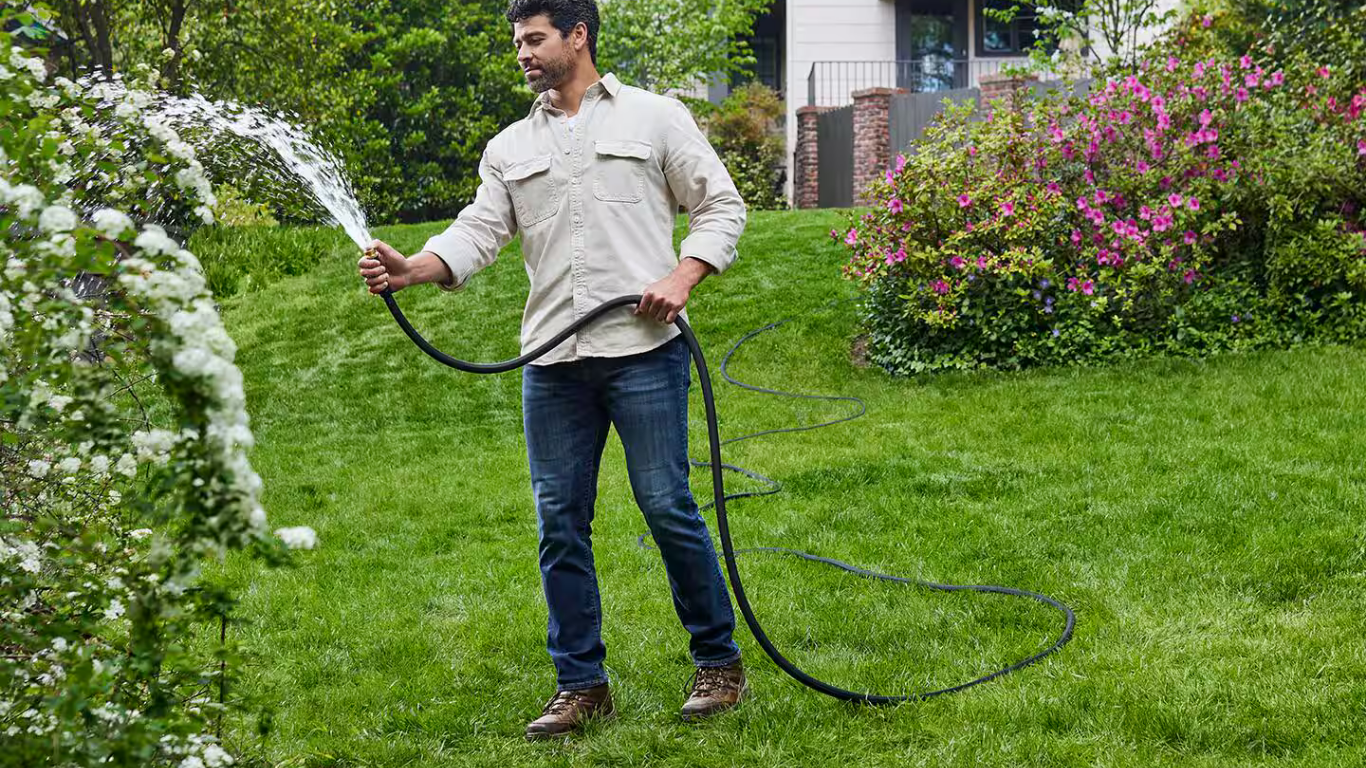
Let’s be honest — not all garden hoses are created equal. If you’ve ever wrestled with a kinked, leaking, or just plain frustrating hose on a hot summer afternoon, you already know that the wrong hose can turn a peaceful watering session into a complete headache. The best garden hose doesn’t just carry water from point A to point B; it saves your time, protects your plants, and honestly makes gardening a whole lot more enjoyable.
Whether you’re a weekend warrior tending to a few flower beds or a serious green thumb managing a large vegetable garden, picking the right hose is one of the smartest investments you’ll make. The good news? With the right information in hand, you’ll be shopping like a pro in no time.
In this comprehensive guide, we’re going to walk you through everything — the types of hoses available, what materials to look for, how length and diameter affect performance, and which features separate a truly great hose from an average one. By the end, you’ll know exactly what to look for and why. So, let’s dive right in!
What Makes a Garden Hose Truly the Best?
Before jumping into specific picks, it’s worth understanding what actually separates a good hose from a great one. A lot of people grab the cheapest option at the hardware store, and then wonder why it cracks after one season. Here’s the thing — quality garden hoses share a few key characteristics that are worth keeping an eye out for:
- Durability: A hose should handle weather changes, UV exposure, and regular use without cracking or splitting.
- Flexibility: Nobody wants a hose that stiffens up like a board in cold weather or kinks every time you turn a corner.
- Pressure handling: Depending on your water supply, you’ll want a hose that can handle adequate water pressure without ballooning or bursting.
- Weight: Heavier hoses are harder to drag around the garden, especially over longer distances.
- Fittings: Brass fittings last far longer than plastic ones and create a better seal.
- Kink resistance: Kinking is the number one complaint among garden hose users, so this feature matters a great deal.
When a hose checks all — or most — of these boxes, it earns its place as one of the best garden hoses on the market.
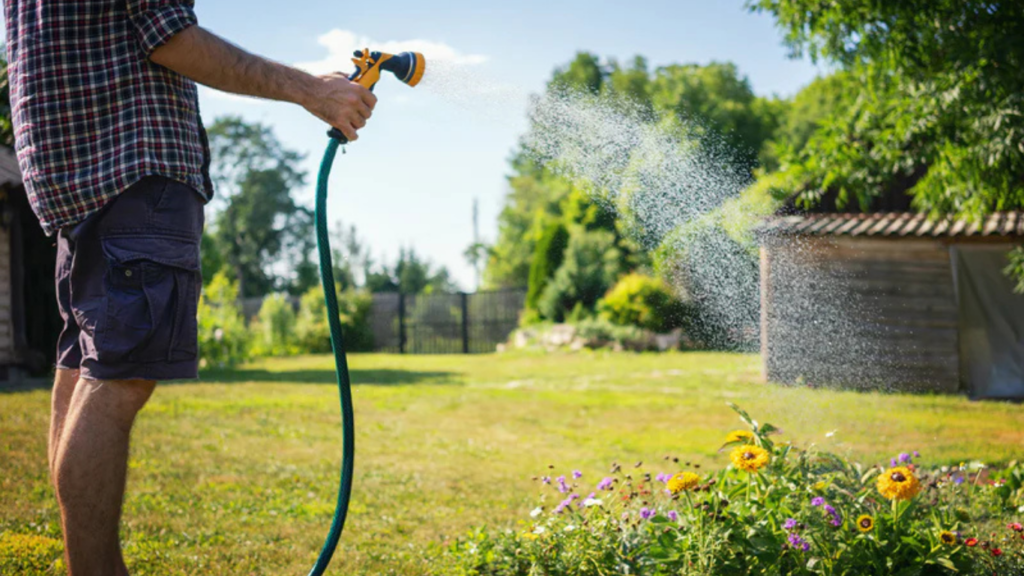
Types of Garden Hoses Explained
Not all hoses are built for the same purpose. Understanding the different types helps you narrow down your choices pretty quickly.
Standard Garden Hoses
These are your everyday, classic hoses. Typically made from rubber, vinyl, or a combination of both, standard hoses are versatile and widely available. They work well for most home gardening tasks, from watering flower beds to washing the car or filling a kiddie pool.
Expandable Garden Hoses
Wow, these have really taken the gardening world by storm! Expandable hoses start out compact and lightweight, then stretch out two to three times their original length when water flows through them. Once the water’s off, they shrink back down again. They’re incredibly easy to store and carry, though they tend to be a bit less durable than traditional rubber hoses.
Soaker Hoses
Soaker hoses are designed to slowly release water along their entire length, making them perfect for garden rows and flower beds. They deliver water directly to the root zone, reducing evaporation and helping conserve water. If you’re into water-smart gardening, a soaker hose is a brilliant choice.
Flat Hoses
Flat hoses lie flat when empty and expand when water flows through them. They’re lightweight and easy to store, though they’re generally not as durable as rubber hoses. Ideal for light-duty watering tasks.
Heavy-Duty Rubber Hoses
These are the workhorses of the garden hose world. Heavy-duty rubber hoses are built to last for years, resist kinking, and handle high water pressure like champs. They’re heavier to carry, but for professional gardeners or those with large properties, they’re well worth it.
Hose Materials: Rubber vs. Vinyl vs. Hybrid
The material a hose is made from has a huge impact on its performance, lifespan, and price. Here’s a quick breakdown:
| Material | Durability | Flexibility | Weight | Price Range |
| Rubber | Excellent | Good | Heavy | $$$ |
| Vinyl | Fair | Good (in warmth) | Light | $ |
| Hybrid (Rubber + Vinyl) | Very Good | Very Good | Medium | $$ |
| Polyurethane | Excellent | Excellent | Light | $$$ |
| Expandable Fabric | Fair–Good | Excellent | Very Light | $$ |
Rubber hoses are the gold standard. They’re tough, UV-resistant, and handle both hot and cold temperatures well. They’re the kind of hose that, if you take care of it, will last you a decade or more.
Vinyl hoses are budget-friendly and great for light-duty use. However, they tend to kink easily and don’t hold up well in freezing temperatures. Think of them as a starter hose, not a forever hose.
Hybrid hoses try to give you the best of both worlds — the durability of rubber with the lighter weight and flexibility of vinyl. For most homeowners, a good hybrid hose hits the sweet spot between performance and price.
Polyurethane hoses are a newer option that’s gaining popularity. They’re incredibly light, very flexible, and resistant to kinking. They’re a bit pricier, but gardeners who’ve switched tend to love them.
Finding the Right Hose Length and Diameter
Getting the length and diameter right is just as important as choosing the right material. Too short and you’re constantly repositioning the hose; too long and you’re losing water pressure and dragging around more hose than you need.
Hose Length
- 25 feet: Great for small patios, balconies, or container gardens.
- 50 feet: The most popular choice for average-sized yards. Hits the sweet spot for most home gardeners.
- 75–100 feet: Better for larger gardens, long driveways, or properties where the spigot is far from the garden area.
A useful tip: measure the distance from your outdoor faucet to the farthest point you’ll need water. Add a few extra feet for comfortable maneuvering, and you’ve got your ideal length.
Hose Diameter
Hose diameter affects water flow. The three most common sizes are:
- ½ inch: Lower water volume; great for light watering and small gardens.
- ⅝ inch: The most common size, balancing good water flow with manageable weight. It’s the go-to choice for most gardeners.
- ¾ inch: Maximum water flow; ideal for large gardens, filling pools, or tasks requiring high water volume.
For the average home gardener, a ⅝-inch diameter hose in a 50-foot length is usually the sweet spot.
Key Features to Look for in the Best Garden Hose
Beyond material and size, a few smart features can really elevate your hose game. Here’s what the truly best garden hoses tend to offer:
- Kink resistance: Look for hoses with a design that prevents kinking — some brands use spiral-coil technology or thicker walls to address this issue.
- Crush-proof fittings: Brass fittings over plastic, every single time. They don’t crack, corrode, or strip as easily.
- Multi-ply construction: Hoses with multiple layers (often 5- to 10-ply) are significantly stronger and more resistant to bursting.
- UV protection: A hose left in the sun for months needs UV-resistant materials to prevent cracking and degradation.
- Anti-microbial inner lining: If you’re using your hose to water edible plants or fill water features, look for a hose with a drinking-water-safe, anti-microbial inner lining.
- Warranty: Any manufacturer confident in their product will back it with at least a one-year warranty. Some premium brands offer lifetime guarantees.
Best Garden Hose Options by Category
Now that you know what to look for, let’s talk about the best options across different categories. Each type serves a different kind of gardener.
Best Overall: Heavy-Duty Rubber Hose
For gardeners who want something reliable that’ll go the distance, a high-quality rubber hose with brass fittings and 8-ply construction is hard to beat. It handles kinking like a pro, works in all weather conditions, and lasts for years. Yes, it’s heavier, but the tradeoff in durability is absolutely worth it.
Best Budget Pick: Mid-Grade Vinyl or Hybrid Hose
If you’re working with a tighter budget, a good hybrid hose in the $20–$35 range will serve most home gardeners well. Look for one with reinforced mesh layers and a at least a ⅝-inch diameter for solid water flow.
Best for Easy Storage: Expandable Hose
Expandable hoses are a dream come true for gardeners with limited storage space. They coil up to a fraction of their extended length, making them super easy to hang or tuck away. Just handle them gently — they’re not meant for heavy-duty use.
Best for Water Conservation: Soaker Hose
Honestly, if saving water is your priority (and it really should be!), a soaker hose paired with a timer is one of the most efficient watering systems you can set up. It puts water exactly where it’s needed and nowhere else.
Best Lightweight Option: Polyurethane Hose
If dragging a heavy hose around your yard sounds like something you’d rather avoid, a polyurethane hose is incredibly light and flexible. It won’t weigh you down, doesn’t kink easily, and still delivers solid water pressure.
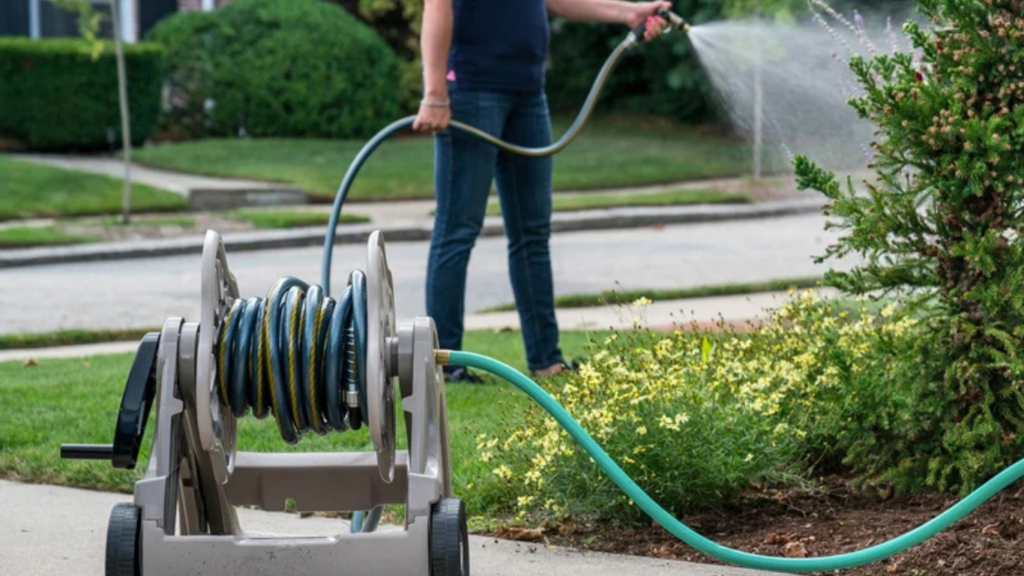
Garden Hose Nozzles and Accessories That Make a Difference
A hose is only as good as what you pair it with. The right nozzle or sprayer can transform how you water and make your gardening chores far more efficient.
Types of Nozzles
- Pistol-grip nozzles: Easy to use with one hand; great for general watering.
- Multi-pattern nozzles: Offer several spray settings (jet, mist, shower, flat, etc.) for versatile use.
- Wand nozzles: Extended reach for watering hanging baskets or plants in the back of deep beds.
- Fireman-style nozzles: Twist to adjust from gentle shower to powerful jet; great for rinsing off patios or cars.
Other Must-Have Accessories
- Hose reel or hanger: Proper storage extends your hose’s life significantly. A wall-mounted hose reel keeps things neat and tangle-free.
- Quick-connect fittings: These snap on and off in seconds, making switching between attachments a breeze.
- Hose repair kits: A small investment that can save a good hose from an early retirement.
- Hose timers: Automate your watering and never forget to turn off the hose again.
How to Care for Your Garden Hose and Make It Last
Even the best garden hose won’t last long if it’s not cared for properly. Here are some simple habits that’ll keep your hose in great shape for years:
- Drain it after every use. Water left sitting in a hose can degrade the inner lining over time, especially in cold climates where freezing is a concern.
- Store it out of direct sunlight. UV rays are a hose’s worst enemy. Coil it up and keep it in the shade or indoors when not in use.
- Coil it loosely. Tight coiling leads to kinking and stress on the hose walls. A wide, gentle loop is the way to go.
- Disconnect it from the faucet in winter. Water left in a connected hose can freeze, expand, and crack both the hose and the spigot.
- Inspect it regularly. A quick look for cracks, leaks, or damaged fittings helps catch small problems before they become big ones.
Common Mistakes to Avoid When Buying a Garden Hose
A lot of gardeners, especially first-timers, make a few predictable mistakes when shopping for a hose. Avoiding these pitfalls can save you money and frustration down the road.
- Buying based on price alone. The cheapest hose is rarely the best value. A slightly more expensive hose that lasts five years beats a cheap one that cracks in one season.
- Ignoring hose length. Buying too short means you’re constantly moving the hose around; too long means dragging unnecessary weight and losing pressure.
- Overlooking fitting quality. Plastic fittings strip and crack. Always go for brass when you can.
- Not checking the inner diameter. A hose that looks the same on the outside can have very different inner diameters, affecting water flow significantly.
- Forgetting about storage. If you don’t have a plan for storing your hose, it’ll end up in a tangled mess that shortens its life considerably.
Conclusion
Well, there you have it — everything you need to make a smart, confident decision about the best garden hose for your needs. Whether you’re looking for a durable rubber workhorse, a lightweight expandable option, or a water-saving soaker hose, there’s a perfect match out there for every type of gardener.
The key takeaway? Don’t just grab the first hose you see. Think about your garden size, how far you need to reach, what you’ll be watering, and how much you’re willing to invest. A little bit of research goes a long way when it comes to finding a hose that’ll serve you faithfully season after season.
Gardening is one of life’s great joys, and the right tools make it even better. So go ahead — invest in the best garden hose you can, take care of it properly, and enjoy the garden of your dreams. Happy watering!
FAQs
What is the best garden hose material for durability?
Rubber is widely considered the most durable material for garden hoses. It handles extreme temperatures, resists UV damage, and holds up well under regular use. While heavier than vinyl or hybrid options, a rubber hose typically lasts far longer, making it the best long-term investment for serious gardeners.
What length garden hose do I need?
The right length depends on the size of your garden and how far your outdoor faucet is from the areas you need to water. For most average-sized yards, a 50-foot hose is the sweet spot. Larger properties may require a 75- or 100-foot hose, while small patios or balconies can get by with a 25-foot option.
Are expandable garden hoses worth buying?
Expandable hoses are a great choice if storage space is limited and you need something lightweight and easy to handle. They’re not as durable as rubber hoses, but for light-duty watering tasks in smaller gardens, they’re absolutely worth it.
How do I stop my garden hose from kinking?
To prevent kinking, choose a hose made from kink-resistant materials or one with a reinforced multi-ply construction. Always store your hose in wide, loose coils rather than tight loops. Using a hose reel also helps maintain the hose’s natural shape and reduces kinking.
What is the best garden hose diameter for home use?
For most home gardeners, a ⅝-inch diameter hose offers the ideal balance of water flow and manageability. It provides enough water volume for typical gardening tasks without being overly heavy or difficult to handle. Larger ¾-inch hoses are better suited for high-volume tasks like filling pools or watering extensive garden areas.











Leave a Reply