
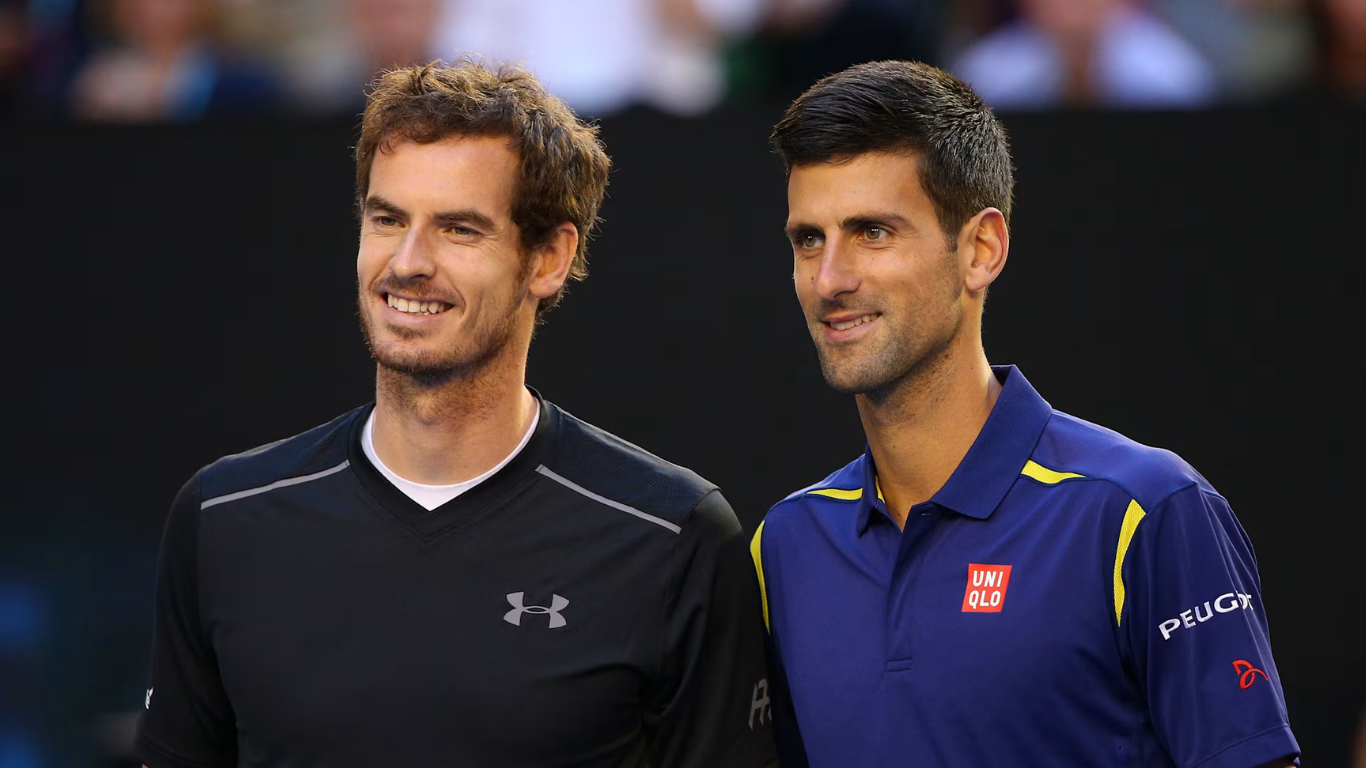
Few athletes have reshaped their sport quite like Novak Djokovic. With a record 24 Grand Slam singles titles and more weeks at world No. 1 than any other man, the Serbian has dominated tennis for nearly two decades. Behind that extraordinary success sits a carefully chosen group of coaches whose influence has helped shape every stage of his career. Fans continue to search for the latest on the Novak Djokovic coach setup because the people in his box often signal shifts in strategy, motivation and longevity at the highest level.
From long-term partners who oversaw his rise to short-term collaborators brought in for specific challenges, Djokovic’s coaching choices reveal a player who values trust, tactical insight and personal chemistry as much as pure technical advice. Understanding those relationships offers a clearer picture of how one of the greatest players of all time has continually reinvented himself.
Early Foundations and the Search for Structure
Novak Djokovic was born on 22 May 1987 in Belgrade. Growing up during a turbulent period in the region, he discovered tennis early and showed remarkable focus even as a child. His parents, especially his father Srdjan, supported his development, and the young Djokovic trained under local coaches before moving into more structured environments. One early influence was the respected coach Nikola Pilić at his academy in Germany, where the teenager refined his game and learned the discipline required for the professional tour.
By the mid-2000s Djokovic had turned professional and was climbing the rankings. He needed a coach who could translate raw talent into consistent results at the highest level. That search led him to Marian Vajda in 2006. The Slovak former player, who had never ranked higher than the low 100s himself, proved an inspired choice. Vajda brought calm authority, technical precision and an understanding of the mental demands of elite tennis. Their partnership would become one of the most productive in the history of the sport.
Career-Defining Partnerships and Major Breakthroughs
Under Vajda, Djokovic claimed his first Grand Slam title at the 2008 Australian Open and steadily established himself among the game’s elite. The coach remained a constant presence through the early years of the so-called Big Three rivalry with Roger Federer and Rafael Nadal. Between 2006 and 2017, and again from 2018 to 2022, Vajda guided Djokovic to 20 of his 24 major titles and the bulk of his 100-plus tour-level crowns. Many observers regard him as the most successful coach in men’s tennis history measured by Grand Slam success.
Djokovic has never been afraid to refresh his team. In late 2013 he appointed six-time Grand Slam champion Boris Becker as head coach while Vajda stayed on. The Becker years produced further major titles and refined Djokovic’s aggressive baseline game. Brief collaborations followed with Andre Agassi and Radek Štěpánek in 2017 during a difficult period marked by injury and form struggles. Vajda returned, and the pair restored Djokovic’s dominance.
In 2019 another high-profile addition arrived: 2001 Wimbledon champion Goran Ivanišević. The Croatian, known for his powerful left-handed serve, joined primarily to improve Djokovic’s own delivery. The partnership flourished. Between 2019 and their amicable split in March 2024, Djokovic collected a further 12 Grand Slam titles and cemented his claim as the most successful male player of the Open era. Ivanišević’s presence also brought humour and competitive fire to the box.
Challenges, Transitions and Resilience
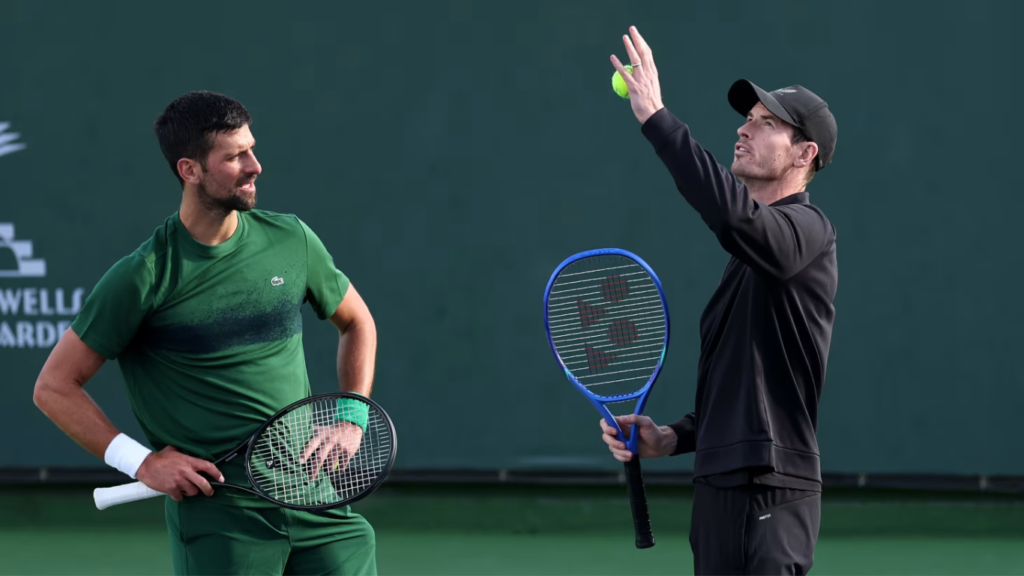
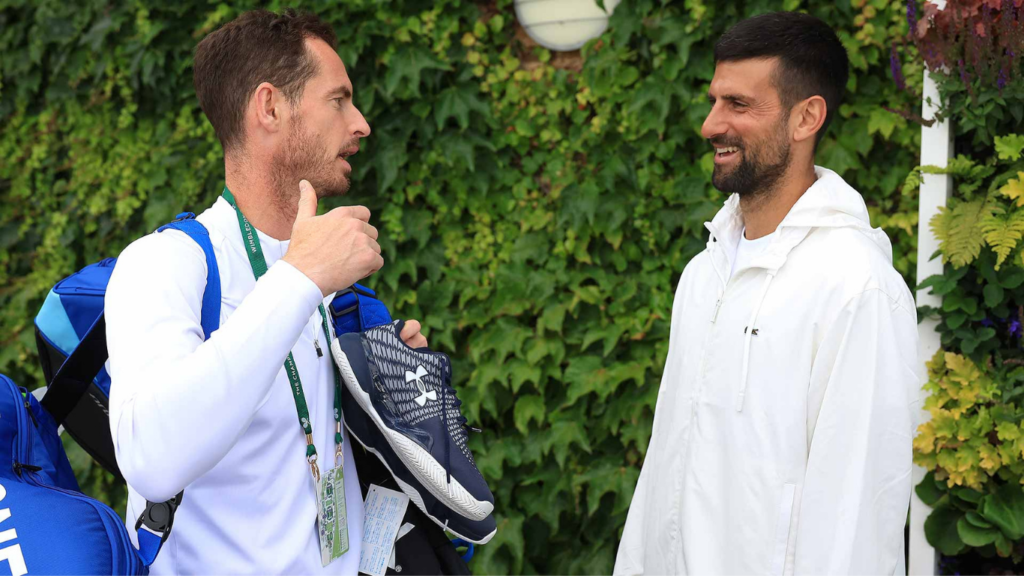
Even the most successful partnerships eventually face pressure. The 2017 season tested Djokovic severely. Elbow problems and a dip in results led him to overhaul his team and experiment with new voices. The short-lived Agassi experiment and the subsequent reunion with Vajda demonstrated both vulnerability and adaptability. Later, after Ivanišević’s departure, Djokovic worked briefly with Nenad Zimonjić and then, in a widely publicised move, with his long-time rival Andy Murray for the early part of the 2025 season. That collaboration ended after six months without a major title.
Throughout these changes a quieter figure remained: Boris Bošnjaković. Born in 1974 in Novi Sad, Bošnjaković was a solid junior and college player at Brigham Young University who peaked at a career-high ranking of No. 740 before injury ended his playing days. He later coached at the Novak Tennis Centre and specialised in opponent analysis. Officially part of the team from late 2023, he stepped into a more prominent role after successive short-term appointments and has served as head coach for extended periods, including through the 2024 Olympic gold medal campaign in Paris.
Djokovic has spoken warmly of Bošnjaković’s loyalty and growth, noting that the pair are developing together at the elite level. The coach’s analytical strengths complement the player’s perfectionism and desire for detailed tactical preparation.
Personal Life and the Importance of Trust
Public information about Djokovic’s coaches tends to focus on professional rather than private details. Marian Vajda has spoken of the mutual respect that sustained their long collaboration. Ivanišević and Djokovic maintained a friendship that outlasted their formal partnership, complete with ongoing games of Parchisi. Boris Bošnjaković is frequently described by Djokovic as a close friend as well as a colleague, a relationship that dates back to the early 2010s.
In May 2026 Djokovic added another trusted Serbian to the group. Viktor Troicki, born in Belgrade in 1986, reached a career-high ranking of world No. 12, won three ATP titles and played a decisive role in Serbia’s 2010 Davis Cup triumph. After retiring he coached the national team and worked with rising players before joining Djokovic’s setup ahead of Roland Garros. Djokovic welcomed him publicly as “my friend, teammate and now coach.” Troicki’s deep personal history with the player and experience of high-pressure team events made him a natural fit alongside Bošnjaković and other long-standing members of the staff.
Later Career and the Current Coaching Landscape
As Djokovic continues into his late thirties, his coaching model has become more flexible. Rather than relying on a single dominant voice, he has assembled a group that combines analytical depth, shared national experience and the ability to offer calm, experienced counsel. Bošnjaković has handled much of the day-to-day leadership and video analysis. Troicki provides the perspective of a peer who has competed against and alongside Djokovic for decades. Supporting staff, including fitness and physiotherapy specialists who have worked with him for many years, complete a unit focused on longevity and peak performance at the biggest events.
Recent seasons have brought both milestones, such as Olympic gold and further tour titles, and the inevitable physical challenges of sustained elite competition. The coaching group’s task remains the same as it has always been: to help Djokovic extract every possible advantage while protecting the body and mind that have already delivered an unmatched body of work.
Quick Bio
| Detail | Information |
|---|---|
| Full Name | Novak Djokovic |
| Date of Birth | 22 May 1987 |
| Place of Birth | Belgrade, Serbia |
| Nationality | Serbian |
| Profession | Professional tennis player |
| Years Active | 2003–present |
| Known For | Record 24 Grand Slam singles titles |
| Estimated Net Worth | Not publicly confirmed in reliable sources for precise current figure |
(Note: Coaching details evolve; current primary figures as of mid-2026 include Boris Bošnjaković and Viktor Troicki.)
Legacy and Lasting Impact
The story of the Novak Djokovic coach is ultimately a story about continuous improvement and the courage to change. Marian Vajda provided the foundation and the bulk of the silverware. Boris Becker and Goran Ivanišević brought specialised expertise and competitive edge at critical moments. Later collaborators, including Bošnjaković and Troicki, have offered stability, friendship and fresh eyes as Djokovic navigates the later stages of an unparalleled career.
Public perception of these partnerships is largely positive. Supporters admire the loyalty shown to long-serving members of the team and the willingness to experiment without abandoning core principles. The coaches themselves have gained recognition for contributing to one of sport’s greatest individual achievements. Lessons from the journey are clear: sustained excellence requires both technical excellence and relationships built on trust, honesty and shared ambition.
Conclusion
The people who have stood in Novak Djokovic’s corner have helped turn exceptional talent into historic dominance. From the patient guidance of Marian Vajda through the serve-focused intensity of Goran Ivanišević to the analytical reliability of Boris Bošnjaković and the familiar presence of Viktor Troicki, each chapter has added something distinct. As Djokovic continues to compete at the highest level, the identity of his coach remains a subject of genuine interest because it reflects the player’s ongoing quest to stay at the summit.







Leave a Reply